
Parenting and Family: Simple Ways to Build a Happier, More Connected Home
Family life is busy, loud, unpredictable—and beautifully meaningful. But in the middle of school routines, work stress, tantrums, and endless chores, it’s easy to feel disconnected. The good news? You don’t need perfection, big gestures, or strict routines to build a strong family bond. Small, intentional habits can transform everyday moments into connection, comfort, and calm. Here’s a practical guide to strengthening your parenting approach while creating a warm, connected family environment.
1. Create Simple Daily Rituals That Bring Everyone Together
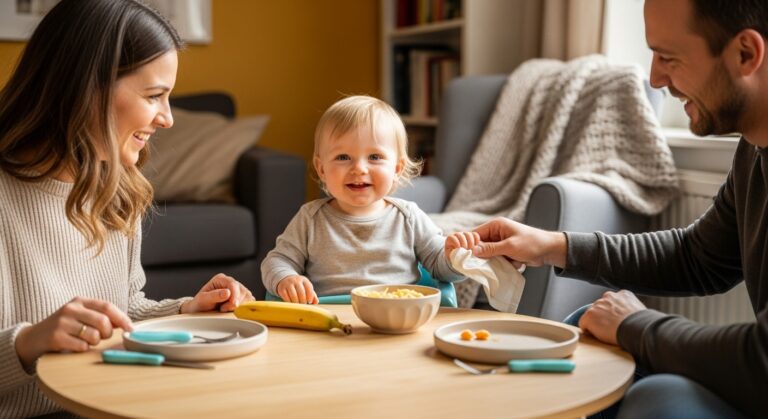
Rituals don’t need to be fancy. In fact, the simplest ones often become the most memorable. These small consistent moments help kids feel safe, loved, and anchored.
Examples include:
• A special good-morning phrase
• Eating breakfast together
• A 3-minute bedtime cuddle
• “High–low” sharing at dinner (one good thing, one hard thing)
Kids thrive on predictability, and these rituals build emotional security without adding more work to your day.

2. Use Family Meetings to Strengthen Communication
A weekly family meeting helps everyone feel heard. Keep it short—10 to 15 minutes—and include:
• Wins from the week
• Something each person is grateful for
• Any household issues to solve together
• Plans for the upcoming week
This encourages teamwork and teaches kids important communication skills like listening, expressing feelings, and cooperating.
3. Build Stronger Connections Through One-on-One Time
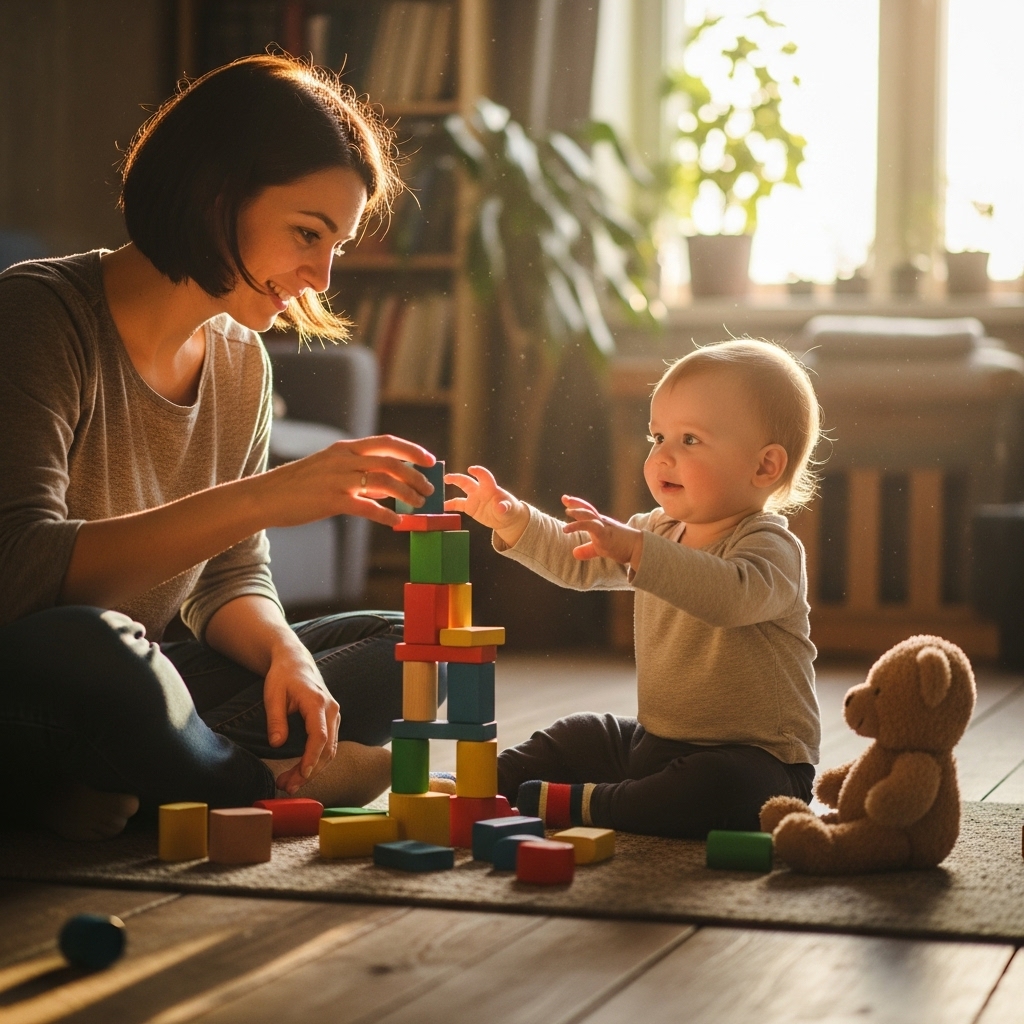
Even 10 minutes of focused attention can make a big difference. Set aside short one-on-one time with each child doing something they enjoy—drawing, talking, playing a game, or walking outside.
Children behave better, feel more confident, and become more cooperative when they get consistent “connection fuel” from their parents.
4. Make Your Home a Safe Space for Emotions
Families grow stronger when emotions are allowed—without shame, punishment, or judgment. Help kids label and handle feelings by using phrases like:
• “It’s okay to feel angry. I’m here with you.”
• “You’re disappointed. That makes sense.”
• “Let’s take a breath together.”
Emotionally safe homes create emotionally strong kids.
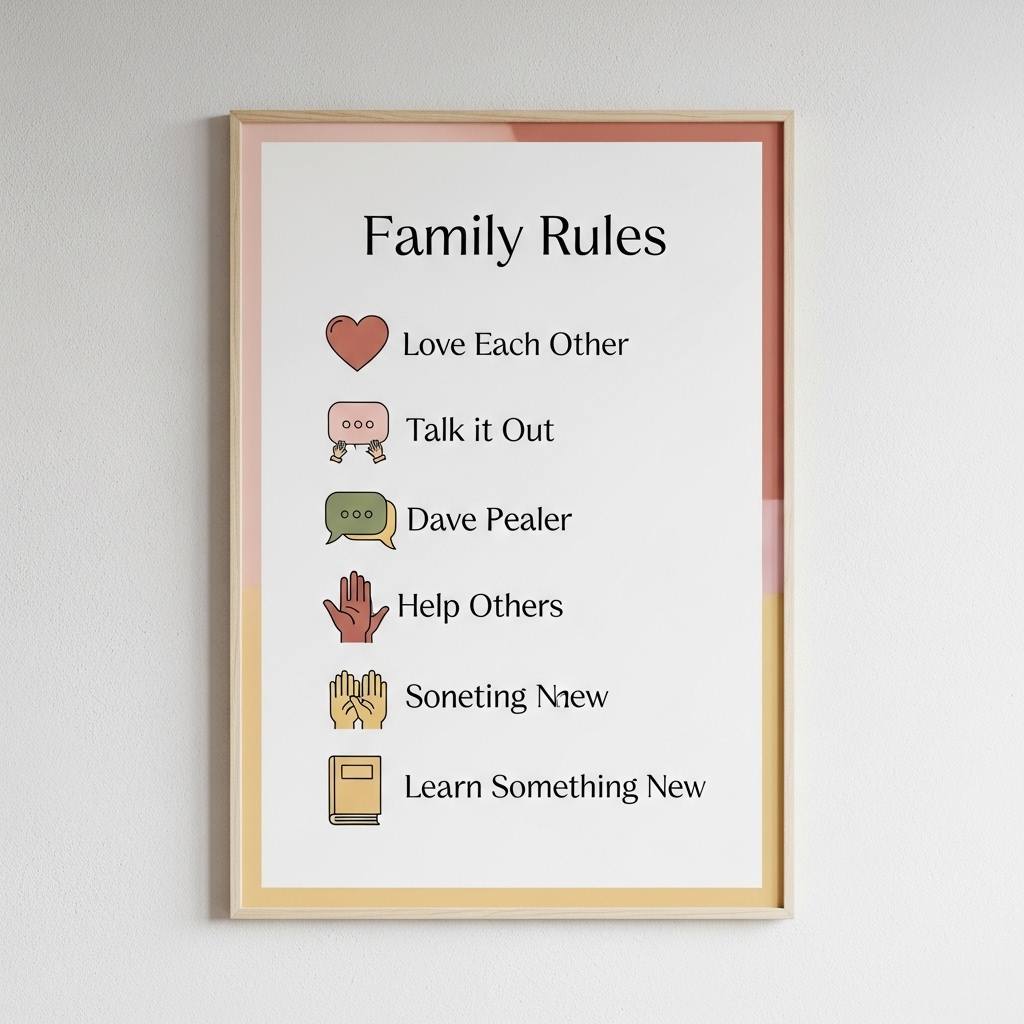
5. Create Family Rules Everyone Understands
Instead of a long list of “don’ts,” choose 3–5 simple rules that guide your home.
Examples:
• Be kind
• Use gentle hands
• Clean up what you take out
• Speak respectfully
Post them where everyone can see them. Simple rules help kids know what’s expected and reduce power struggles.
6. Protect Family Time (Even if It’s Short)
Family time doesn’t require hours—it only needs consistency.
• A 20-minute family walk
• A quick after-dinner game
• Friday night movie
• Weekend breakfast together
These moments create shared memories and a sense of belonging that lasts throughout childhood.
7. Teach Kids Responsibility in Age-Appropriate Ways
Kids feel important when they are part of family tasks. Simple responsibilities help children learn confidence, independence, and teamwork.
Age-appropriate examples:
Ages 2–3: put toys away, wipe spills
Ages 4–5: set table, match socks
Ages 6–7: pack snacks, water plants
Ages 8+: help cook, fold laundry, take out trash
Turn it positive: “We are a team in this home.”
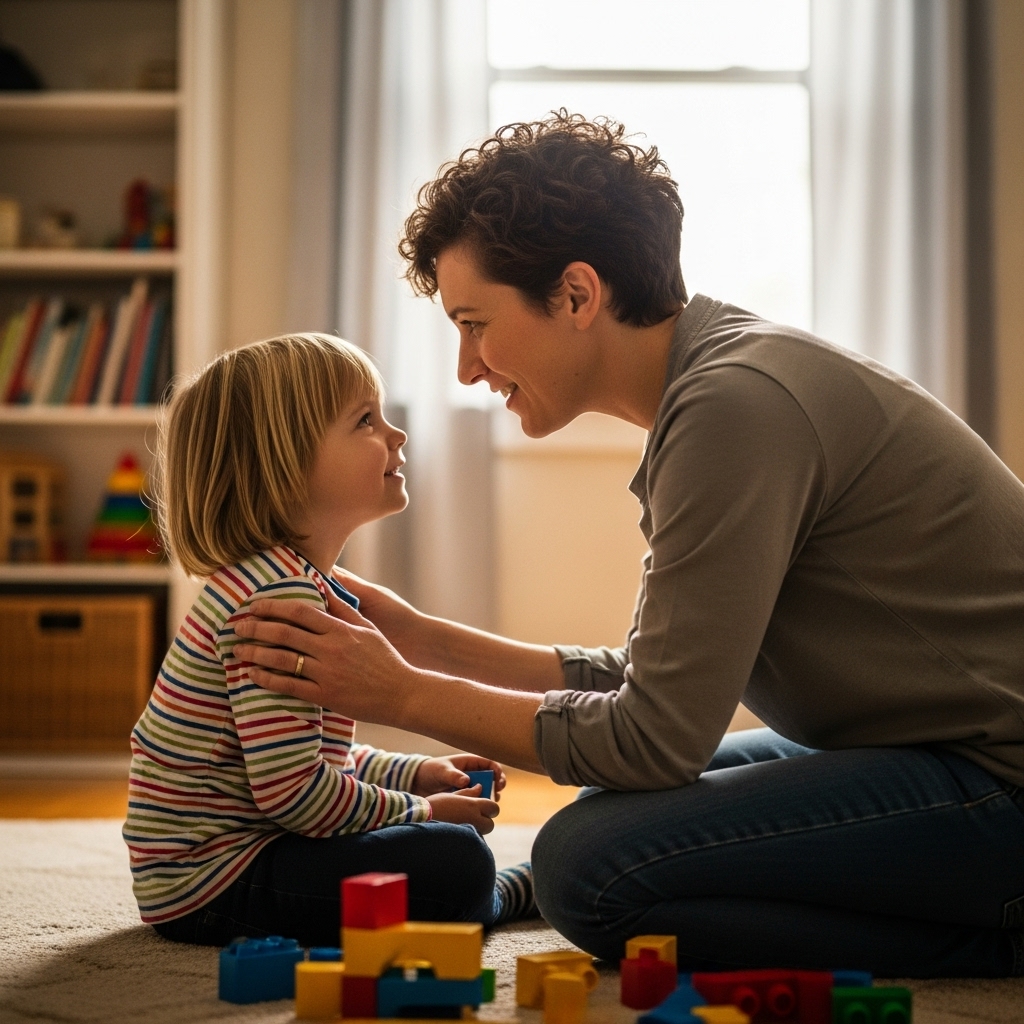
8. Focus on Connection Before Correction
When kids misbehave, they’re usually overwhelmed—not defiant. Correcting behavior works best when connection comes first.
Try:
• A calm tone
• Getting down to their level
• Touching their shoulder gently
• Saying, “I’m listening. Tell me what happened.”
Correcting after connection leads to better outcomes and fewer meltdowns.
9. Reduce Stress With Routines That Make Life Easier
Routines remove chaos and help your home feel calmer. Create simple routines for:
• Mornings
• Bedtime
• School prep
• Clean-up time
Consistency reduces stress, improves behavior, and helps your day run smoother.
10. Make Family Memories Through Simple Traditions
Traditions give kids a sense of identity. They don’t have to be big—in fact, the smaller, the better.
Try:
• Pancake Sundays
• Family dance party
• Summer “water day” outside
• Back-to-school photos
• Storytime on Fridays
These rituals become cherished memories your kids will carry forever.
Final Thoughts
Parenting and family life aren’t about perfection—they’re about connection, consistency, and compassion. By adding small routines, creating emotional safety, and building positive habits, you can strengthen your family bond and make your home a place where everyone feels loved and valued. The best changes are simple, doable, and woven into daily life.