

Calm Parenting Strategies That Help You Stay Grounded During Tough Moments
Parenting can feel overwhelming, especially when emotions run high and patience runs low. Calm parenting doesn’t mean never feeling frustrated—it means learning how to respond thoughtfully instead of reacting emotionally. These calm parenting strategies are practical, realistic, and designed for real-life moments with kids, not perfect situations.
Why Calm Parenting Matters
When parents stay calm, children feel safer, more understood, and better able to regulate their own emotions. Calm parenting helps reduce power struggles, builds trust, and teaches kids how to manage big feelings by example. It’s not about being permissive—it’s about being present and intentional.
1. Pause Before You Respond
One of the most powerful calm parenting tools is the pause. When your child does something triggering, take one deep breath before responding. This short pause helps your nervous system settle and prevents yelling or harsh reactions. Over time, this habit creates more peaceful interactions.

2. Lower Your Voice Instead of Raising It
Children naturally mirror adult behavior. When you speak softly, they instinctively quiet down to listen. Lowering your voice during tense moments signals safety and control, making it easier for kids to cooperate and feel calm themselves.
3. Get Down to Your Child’s Eye Level
Physically lowering yourself to your child’s eye level helps them feel seen and respected. It reduces fear and defensiveness, especially during discipline moments. Calm communication works best when kids feel emotionally connected, not talked down to.
4. Name the Feeling Before Correcting the Behavior
Children often act out because they don’t yet know how to express emotions. Acknowledge the feeling first, then guide the behavior. For example, “I see you’re angry. It’s okay to feel mad, but it’s not okay to hit.” This approach teaches emotional awareness and self-control.

5. Set Clear Boundaries With a Calm Tone
Calm parenting does not mean no boundaries. Clear, consistent limits help children feel secure. Use simple language and a steady voice when stating rules. Kids respond better when boundaries are predictable and explained without anger.
6. Use Fewer Words During Meltdowns
When kids are overwhelmed, long explanations don’t work. Keep your words short and calm. Phrases like “I’m here,” “You’re safe,” or “We’ll talk after you calm down” are far more effective than lectures in the heat of the moment.
7. Regulate Yourself First
Children borrow emotional regulation from adults. If you feel overstimulated, step away briefly if it’s safe to do so. Splash cold water on your face, take a few deep breaths, or step into another room for a moment. Calming yourself first allows you to show up as the parent you want to be.
8. Create Predictable Routines
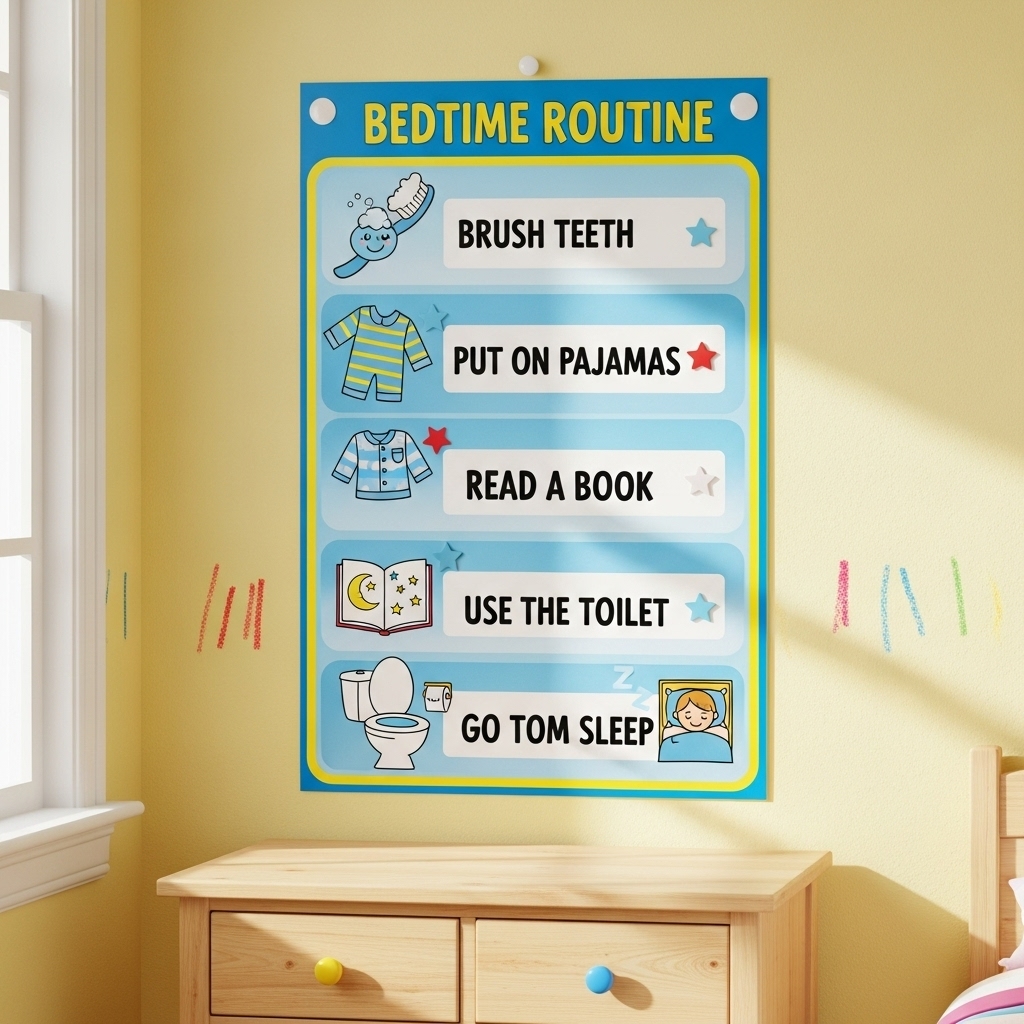
Routine reduces chaos. When kids know what to expect—especially around meals, bedtime, and transitions—they feel calmer and more cooperative. Predictability lowers anxiety and reduces emotional outbursts.
9. Choose Connection Over Control
When children feel disconnected, behavior worsens. A hug, a gentle touch, or a few minutes of focused attention can prevent many power struggles. Connection fills emotional needs, making discipline easier and calmer.
10. Use Natural Consequences Instead of Punishment
Natural consequences teach responsibility without shame. For example, if toys aren’t put away, they’re unavailable the next day. This approach keeps consequences calm, logical, and respectful while still holding boundaries.
11. Practice Calm Parenting Scripts
Having calm phrases ready reduces stress in the moment. Examples include “I won’t let you hurt me,” “Let’s take a break together,” or “I’m listening when you’re ready.” Scripts help you stay composed even when emotions rise.

12. Give Yourself Grace
Calm parenting is a practice, not perfection. You will have hard days, raise your voice sometimes, and make mistakes—and that’s okay. Repairing after tough moments by apologizing and reconnecting teaches children accountability and emotional intelligence.