

Toddler Feeding Help: How to Handle Picky Eating Without Daily Power Struggles
Toddler feeding issues can quickly turn mealtimes into a battlefield. One day your toddler eats everything, and the next day they survive on air and crackers. This behavior is developmentally normal, but how you respond makes a huge difference. Instead of forcing bites or stressing over portions, the goal is to build trust, reduce pressure, and support healthy habits that last long-term.
Why Toddlers Become Picky Eaters
Picky eating often peaks between ages 1–4. Toddlers are learning independence, developing taste preferences, and reacting to growth spurts. Appetite naturally fluctuates, and fear of new foods is common. Understanding this helps parents stay calm and avoid turning food into a control issue.
Focus on Weekly Intake, Not One Meal
One of the biggest feeding mistakes parents make is judging nutrition meal by meal. Toddlers may eat very little at one meal and more at another. Instead, look at food intake across the entire week. If your toddler eats fruits one day, protein the next, and carbs consistently, they are likely doing just fine.

Serve Balanced Meals Without Forcing Bites
At each meal, aim to include three components: a carb, a protein, and a fruit or vegetable. Once the food is served, your job is done. Avoid reminders, encouragement, or comments about how much they should eat. Pressure often leads to resistance and long-term picky eating.
Use Neutral Language at the Table
The way you talk about food matters. Avoid phrases like “just take one bite” or “you need to eat this.” Instead, use neutral statements such as “This is what we’re having” or “You don’t have to eat it.” This removes emotional weight and helps toddlers feel safe exploring food at their own pace.
Keep Mealtimes Short and Predictable
Toddlers have short attention spans. Meals should last about 20–30 minutes. When time is up, calmly clear the plate without offering replacements. Predictable meal and snack times help toddlers learn hunger cues and reduce grazing throughout the day.
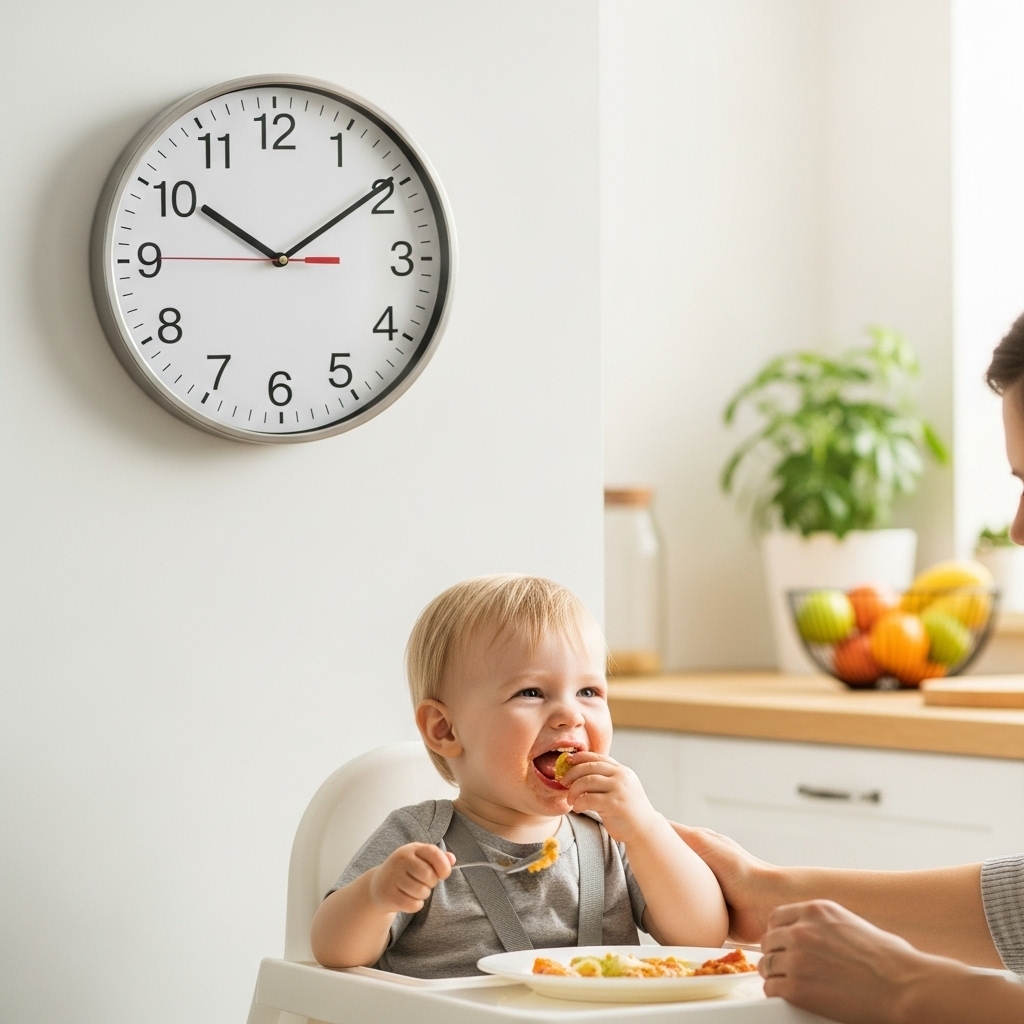
Let Toddlers Touch and Play With Food
Messy eating is learning. Touching, squishing, smelling, and licking food all count as exposure. Allow toddlers to explore food with their hands without scolding. This sensory interaction increases acceptance over time, especially for new textures.
Avoid Using Dessert as a Reward
Using sweets as a reward teaches toddlers that dessert is more valuable than regular food. Instead, serve dessert occasionally alongside meals or as a separate snack. This removes food hierarchy and reduces fixation on sugary treats.
Eat Together as a Family Whenever Possible
Toddlers are more likely to try foods when they see parents eating the same meal. Family meals build trust and curiosity. Even if your toddler eats very little, sitting together reinforces positive habits and reduces anxiety around food.

Expect Rejection Before Acceptance
It can take 10–15 exposures before a toddler accepts a new food. Rejection doesn’t mean failure. Keep offering the food in small amounts without comment. Consistency is far more effective than pressure.
Use Structure Instead of Control
Structure provides safety. Serve meals at the table, turn off screens, and maintain a calm environment. When toddlers know what to expect, they feel less need to control food choices. Structure replaces battles with predictability.
When to Seek Extra Help
If your toddler consistently refuses entire food groups, loses weight, gags frequently, or mealtimes cause extreme distress, consult a pediatrician or feeding specialist. Most picky eating is normal, but support is available when needed.
Final Thoughts
Toddler feeding help isn’t about tricks or forcing bites—it’s about patience, consistency, and trust. When parents stay calm and provide structure without pressure, toddlers learn to listen to their bodies and build healthy eating habits naturally. Mealtimes won’t be perfect, but they don’t have to be stressful either.