
Toddler Tips: Simple Everyday Strategies That Make Life With Toddlers Easier
Toddlers are curious, energetic, emotional, and determined—all at the same time. One moment they’re sweet and cuddly, the next they’re on the floor in tears. This stage is intense, but with the right strategies, daily life with a toddler can feel calmer and more manageable. These toddler tips focus on communication, behavior, routines, and connection to help both you and your child thrive.
Understand That Toddler Behavior Is Developmental
Toddlers are not trying to be difficult. Their brains are still developing, especially the parts responsible for impulse control and emotional regulation. Big reactions, short attention spans, and sudden mood changes are normal. When you see behavior as communication, it becomes easier to respond calmly.
Keep Your Language Short and Clear
Toddlers process language slowly. Long explanations confuse them and often increase frustration. Use simple phrases like “Shoes on,” “Hands gentle,” or “Food stays on the table.” Clear, calm language helps toddlers understand expectations without feeling overwhelmed.
Offer Choices to Reduce Power Struggles
Toddlers crave independence. Offering limited choices gives them control without letting them take over. Ask questions like “Blue cup or red cup?” or “Read a book or play blocks?” Choices reduce resistance and help toddlers feel respected.
Create Predictable Daily Routines
Routines help toddlers feel safe because they know what comes next. Keep morning, mealtime, and bedtime routines consistent in order—even if timing changes. Predictability reduces tantrums and makes transitions smoother.

Prepare Toddlers for Transitions
Transitions are hard for toddlers because they struggle to shift focus. Give warnings before changes like “Five more minutes” or “Last slide, then we go.” Using timers or countdowns helps toddlers mentally prepare and cooperate more easily.
Stay Calm During Tantrums
Tantrums are a sign of emotional overload, not bad behavior. During a tantrum, stay close, stay calm, and avoid lectures. Let your toddler know you’re there and that their feelings are okay, even if the behavior needs limits.

Encourage Independence in Small Ways
Toddlers feel proud when they can do things themselves. Let them try simple tasks like putting toys away, washing hands, choosing clothes, or helping set the table. It may take longer, but it builds confidence and cooperation.
Redirect Instead of Saying “No” All Day
Constantly saying “no” can lead to frustration and power struggles. When possible, redirect your toddler to a safe alternative. For example, “We don’t throw blocks, but we can throw this soft ball.” Redirection keeps behavior positive.
Limit Overstimulation
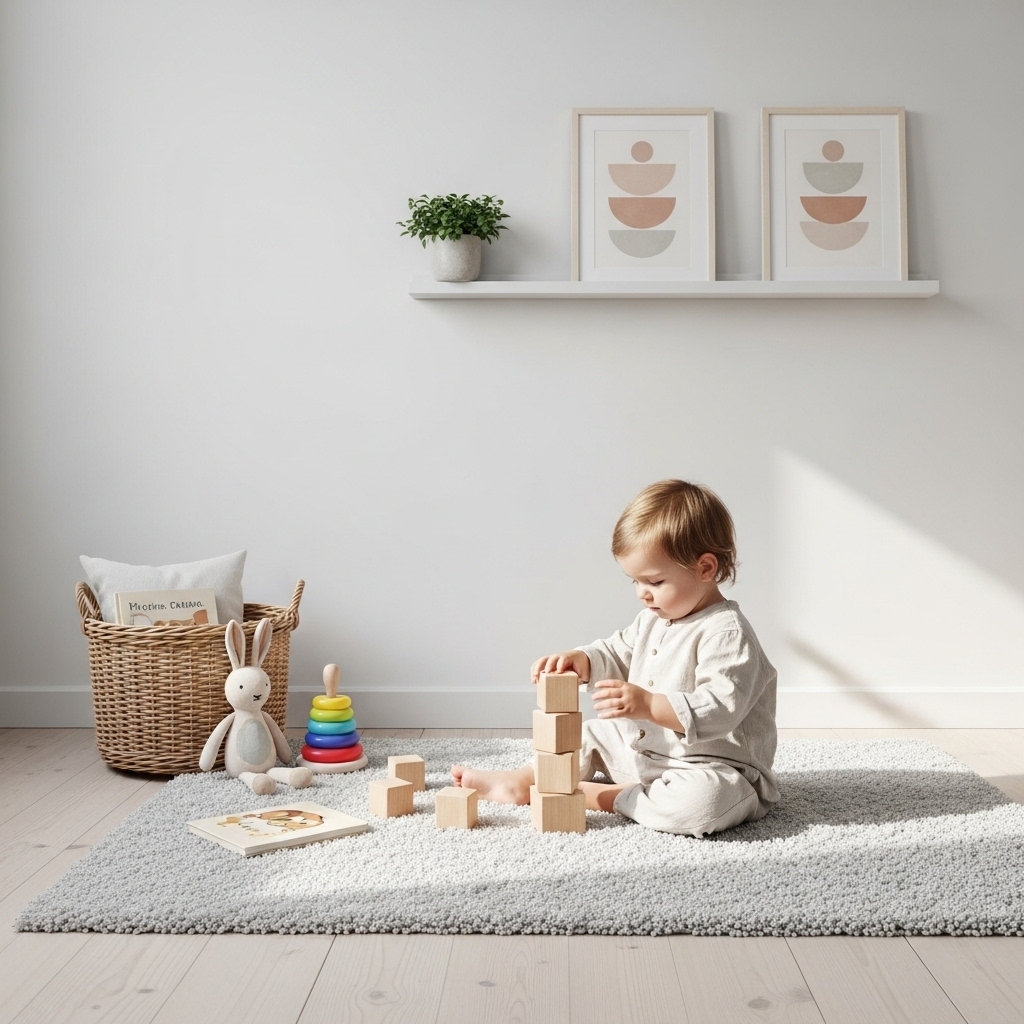
Too many toys, screens, or activities can overwhelm toddlers and lead to meltdowns. Rotate toys, keep play spaces simple, and balance active play with quiet time. A calm environment supports better behavior.
Use Positive Attention to Encourage Good Behavior
Notice and name positive behavior when it happens. Simple phrases like “You waited your turn” or “You used gentle hands” reinforce good choices and encourage toddlers to repeat them.
Accept That Some Days Will Be Hard
Not every day will feel smooth, and that’s okay. Toddlers are learning how the world works, and parents are learning how to guide them. Progress happens slowly, through patience, repetition, and connection.
Final Thoughts
Toddlerhood is a season of growth, curiosity, and big emotions. With simple routines, calm communication, and realistic expectations, life with a toddler becomes more joyful and less stressful. You don’t need to be perfect—just present, patient, and consistent.