
Family Routines: Simple Daily Rhythms That Bring Calm to Busy Homes
Family routines are the quiet structure that holds daily life together. They reduce chaos, ease transitions, and help both kids and parents feel more secure. Routines don’t need to be strict or perfect to work—they simply need to be predictable and flexible enough to fit real family life. When routines are gentle and consistent, they create calmer days and smoother nights.
Why Family Routines Matter More Than Schedules
Unlike rigid schedules, routines focus on the order of events rather than exact times. This helps families stay grounded even when days don’t go as planned. Children feel safer when they know what comes next, and parents experience less decision fatigue throughout the day.

Start With Anchor Moments in the Day
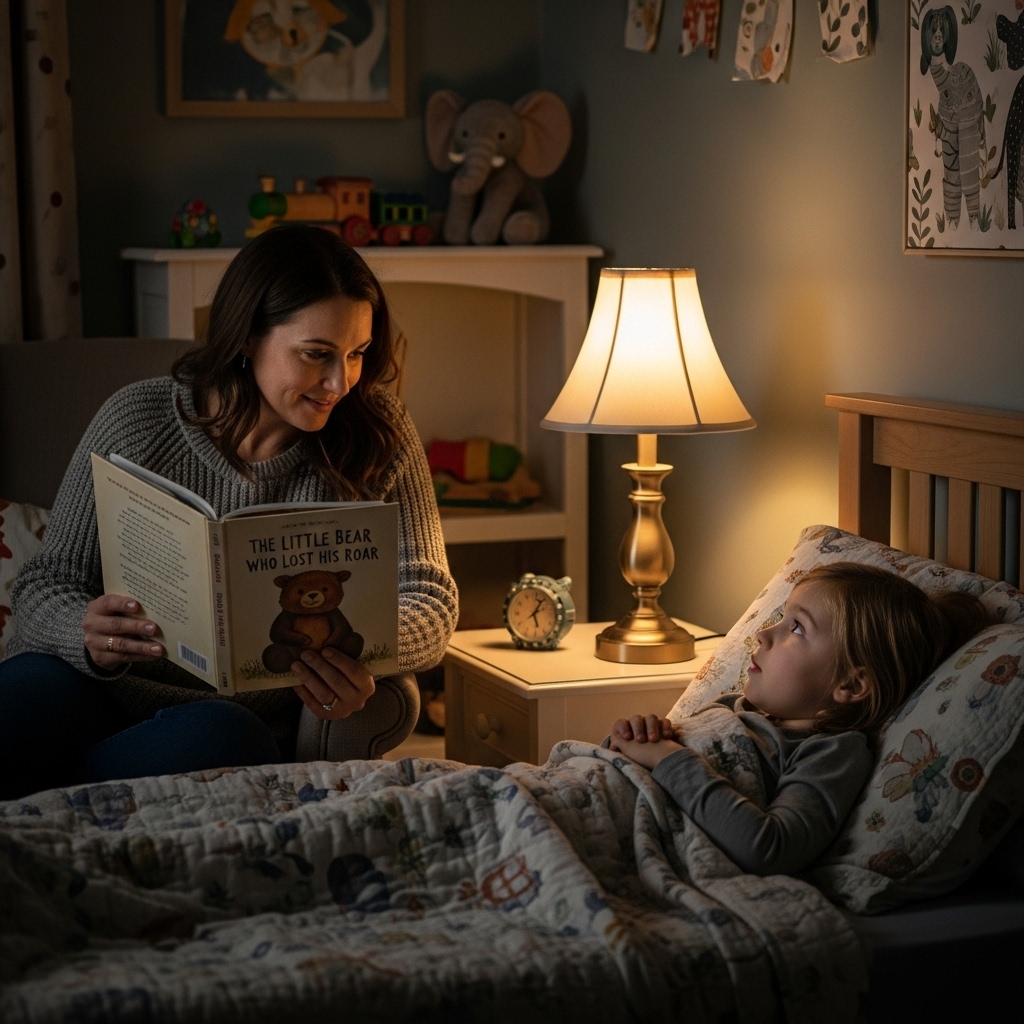
Anchor moments are predictable parts of the day that happen no matter what—waking up, meals, bath time, and bedtime. Building routines around these anchors makes them easier to maintain. For example, breakfast always follows waking up, and bedtime always includes pajamas, brushing teeth, and a story. These repeated patterns help children feel grounded and cooperative.
Morning Routines That Reduce Stress
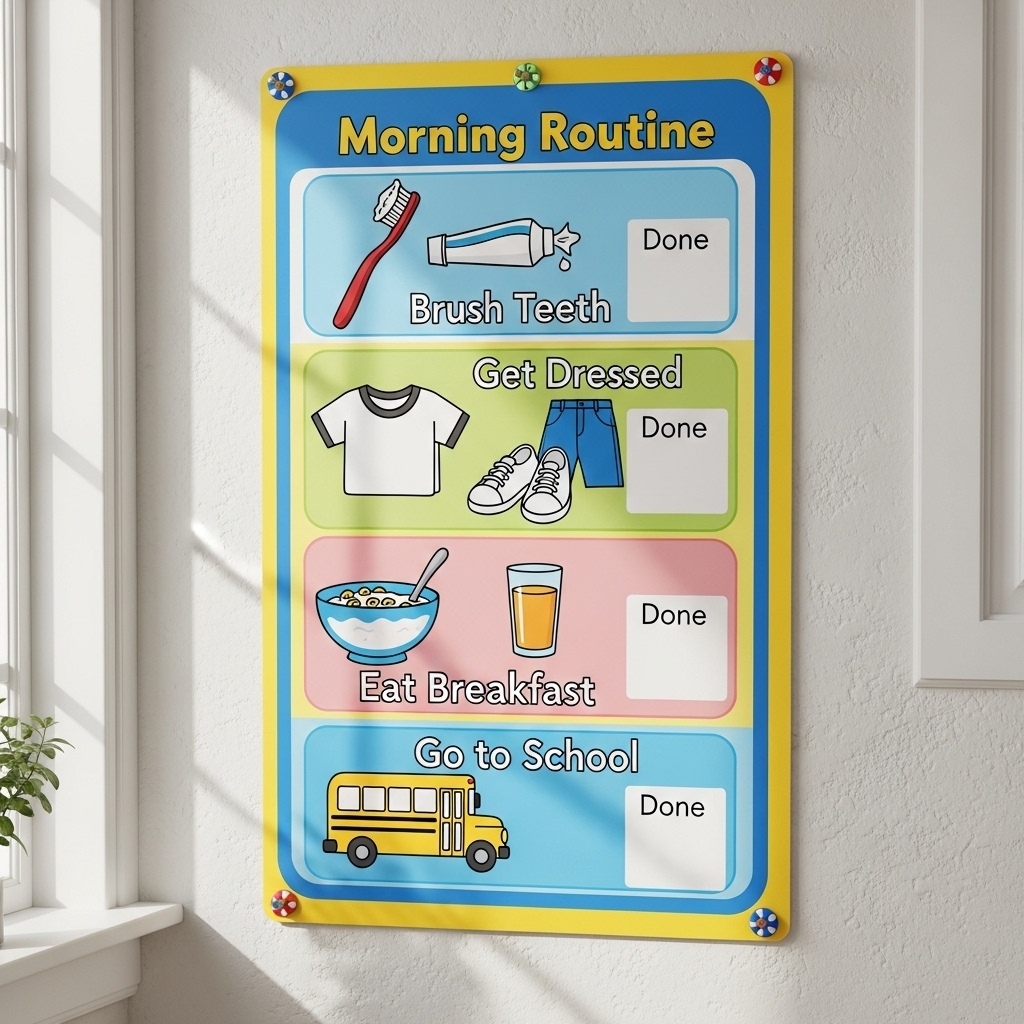
Mornings set the tone for the entire day. Simple routines like laying out clothes the night before, having a consistent breakfast option, and using visual cues can eliminate rushing and meltdowns. Even small habits, such as playing calm music in the morning, can shift the energy in your home.
After-School and Afternoon Flow
Afternoons often feel hectic, especially with tired kids. A predictable flow—snack time, quiet play, homework or activities, then outdoor time—helps kids regulate their energy. Keeping this part of the day calm prevents evening overstimulation and bedtime struggles.
Mealtime Routines That Encourage Connection
Family meals don’t have to be long or fancy. Sitting together, even briefly, builds connection and communication. Simple habits like sharing one highlight from the day or helping set the table give children a sense of belonging and responsibility.

Evening Routines That Support Better Sleep
Consistent evening routines signal to children that the day is winding down. Dimming lights, limiting screens, and repeating the same calming steps each night help prepare their bodies and minds for sleep. A predictable bedtime routine also reduces resistance and anxiety around going to bed.
Weekend Routines Without Pressure
Weekends don’t need structure like weekdays, but gentle routines still help. Slow mornings, family walks, or a weekly movie night give children something to look forward to while keeping family time intentional. Flexible routines allow rest without losing rhythm.
Adjusting Routines as Kids Grow
What works for toddlers won’t always work for school-aged kids. Family routines should evolve with changing needs, school schedules, and energy levels. Regularly reassessing routines helps them stay supportive rather than restrictive.
When Routines Break—and That’s Okay
Life happens. Travel, illness, and busy seasons will interrupt routines. That doesn’t mean they’ve failed. Returning to familiar patterns after disruptions helps children regain balance quickly. Consistency over time matters more than daily perfection.
Family routines aren’t about control—they’re about creating a steady rhythm that supports everyone in the household. With simple, repeatable patterns, family life feels calmer, more connected, and far more manageable.