

Gentle Parenting: Raising Confident Kids Through Connection, Not Control
Gentle parenting is not about being permissive or letting kids “do whatever they want.” It’s about guiding children with empathy, respect, and consistency while teaching emotional regulation and responsibility. This approach focuses on connection first, helping children feel safe, understood, and supported as they grow.
What Gentle Parenting Really Means
Gentle parenting centers on understanding a child’s development rather than reacting to behavior alone. Instead of punishment, it emphasizes teaching, modeling, and emotional support. Children learn best when they feel secure, not scared.

Connection Before Correction
When children feel seen and heard, they’re more likely to cooperate. Before correcting behavior, acknowledge feelings: “I see you’re upset,” or “That was really frustrating.” This doesn’t mean approving the behavior—it means validating emotions while guiding actions.
Setting Clear and Calm Boundaries
Gentle parenting still includes boundaries. Clear, consistent limits help children feel safe. Calmly state expectations and follow through without yelling or threats. Boundaries teach kids what is acceptable while maintaining trust.
Responding to Big Emotions With Empathy
Tantrums are a sign of overwhelming emotions, not bad behavior. Staying calm during emotional outbursts teaches children how to regulate themselves over time. Sitting nearby, offering comfort, and using simple language helps them feel supported.

Using Natural and Logical Consequences
Instead of punishments, gentle parenting uses consequences that make sense. If toys are thrown, they are put away for a while. This helps children understand cause and effect without fear or shame.
Modeling the Behavior You Want to See
Children learn more from what we do than what we say. Speaking respectfully, managing frustration calmly, and apologizing when needed teaches powerful lessons. Modeling emotional regulation helps kids develop it themselves.
Encouraging Independence With Support
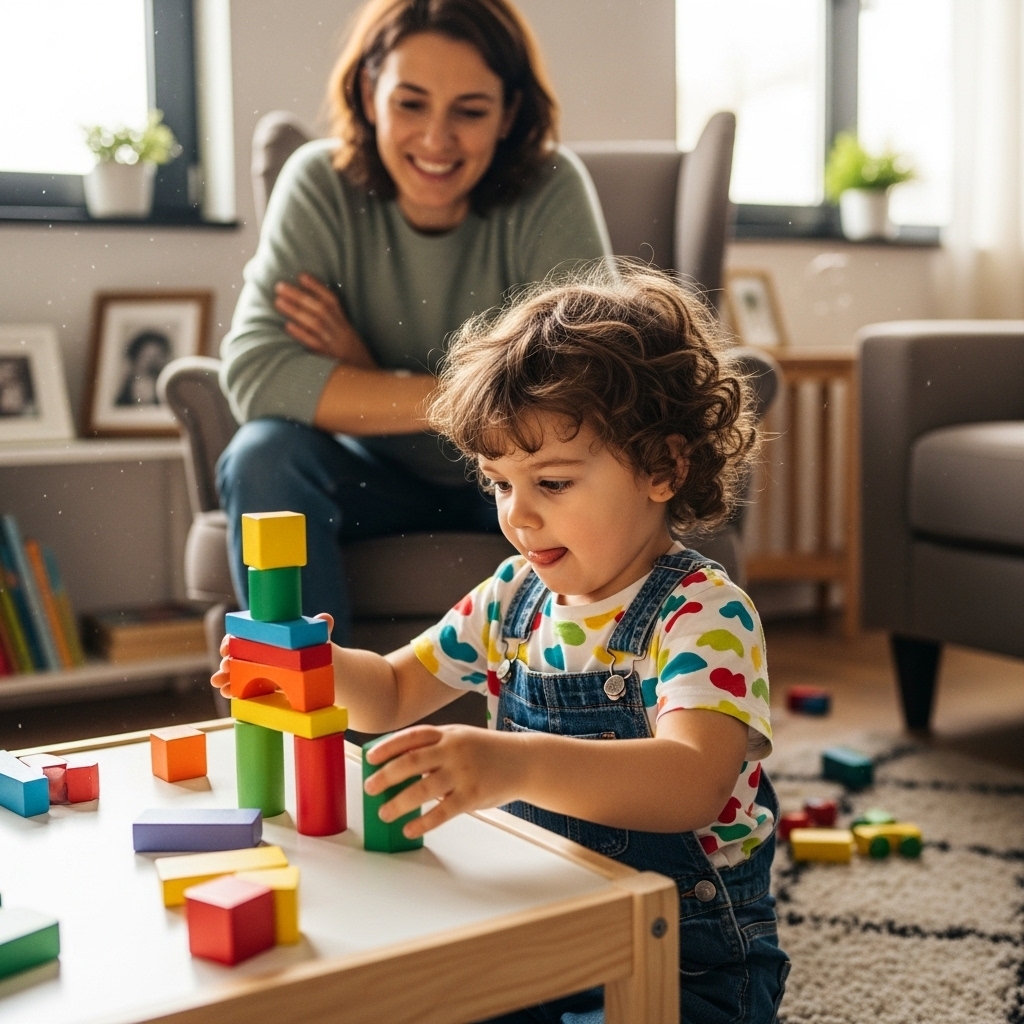
Gentle parenting allows children to try, fail, and learn while knowing support is available. Encouraging independence builds confidence, resilience, and problem-solving skills.
Why Gentle Parenting Builds Long-Term Emotional Strength
Children raised with empathy and consistency often develop stronger emotional intelligence, better communication skills, and deeper trust in their parents. Gentle parenting lays the foundation for respectful relationships well into adulthood.
Gentle parenting isn’t about perfection—it’s about intention. Showing up with patience, empathy, and steady guidance helps children grow into emotionally healthy and confident individuals.