
Kids Activities That Keep Children Engaged, Learning, and Happy at Home
Keeping kids busy without screens can feel challenging, especially when energy levels are high and attention spans are short. The good news is that kids don’t need complicated setups or expensive supplies to stay engaged. Simple, creative activities can support learning, build independence, and give parents breathing room while kids play happily.
Why Simple Activities Work Best
Kids thrive when activities are open-ended and flexible. When play isn’t overly structured, children use their imagination, problem-solving skills, and creativity. Simple activities also allow kids to play longer without frustration or boredom.
Indoor Creative Play Ideas
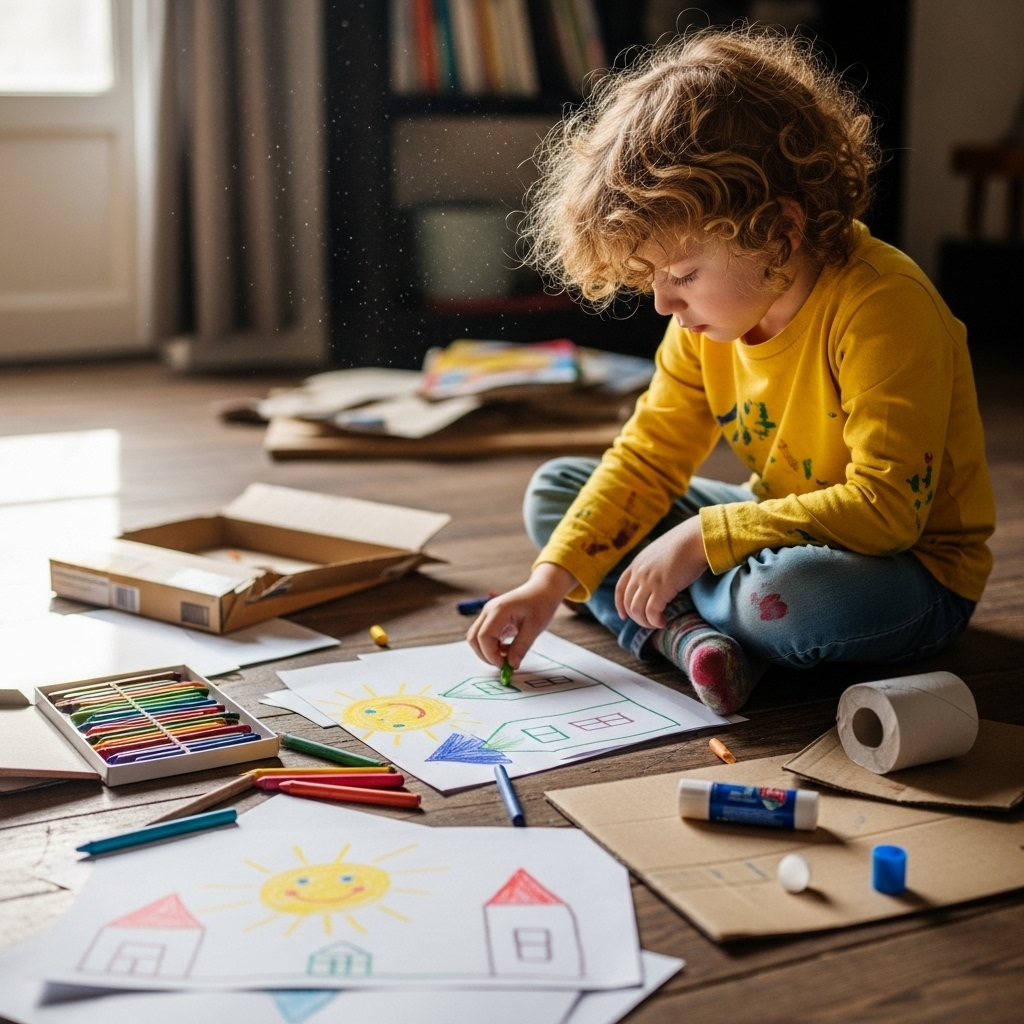
Creative play helps kids express emotions and build focus. Keep a small activity bin stocked with paper, crayons, stickers, glue, and recycled materials like cardboard tubes or boxes. Let kids create freely without instructions or rules.
Low-Prep Sensory Activities
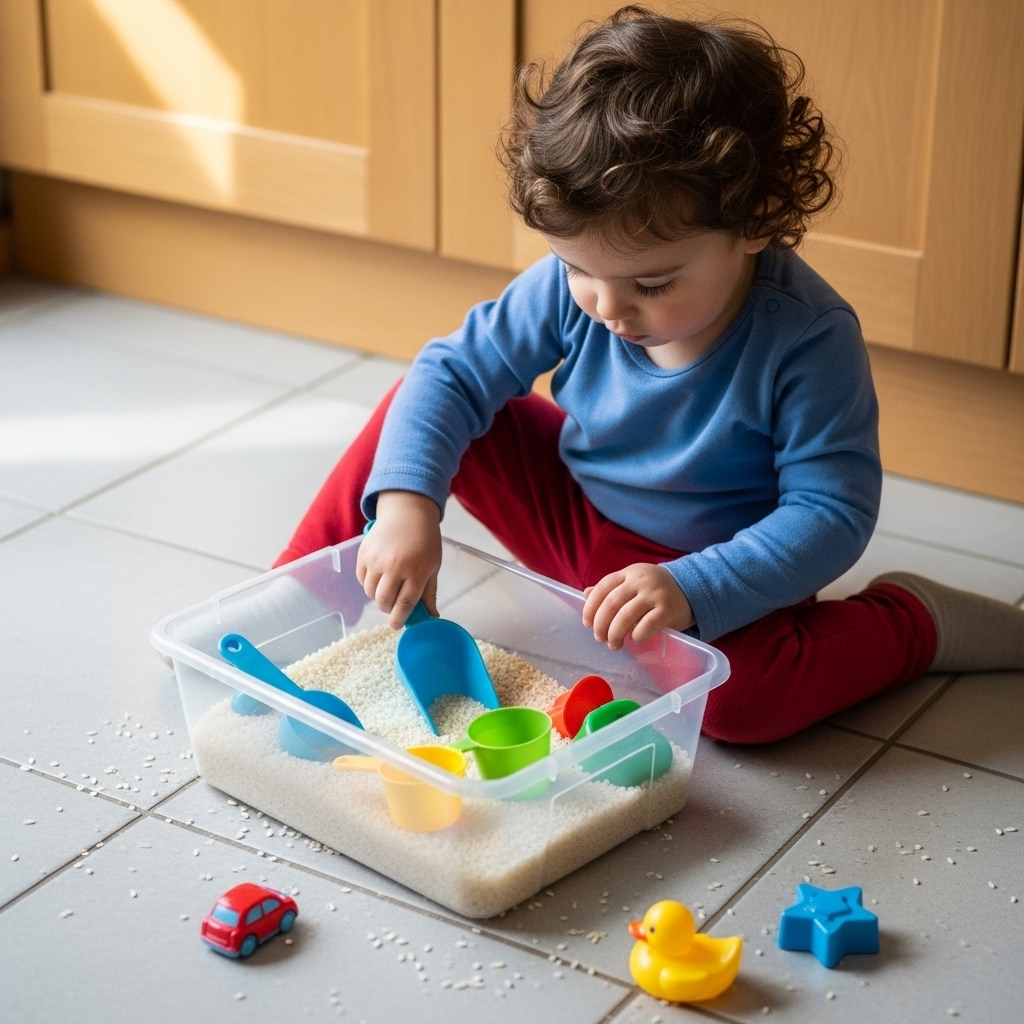
Sensory play keeps kids calm and engaged while supporting brain development. Activities like playing with rice bins, water cups, playdough, or textured fabrics help kids explore through touch and movement. These activities are especially helpful for toddlers and preschoolers.
Movement Activities for Energy Release
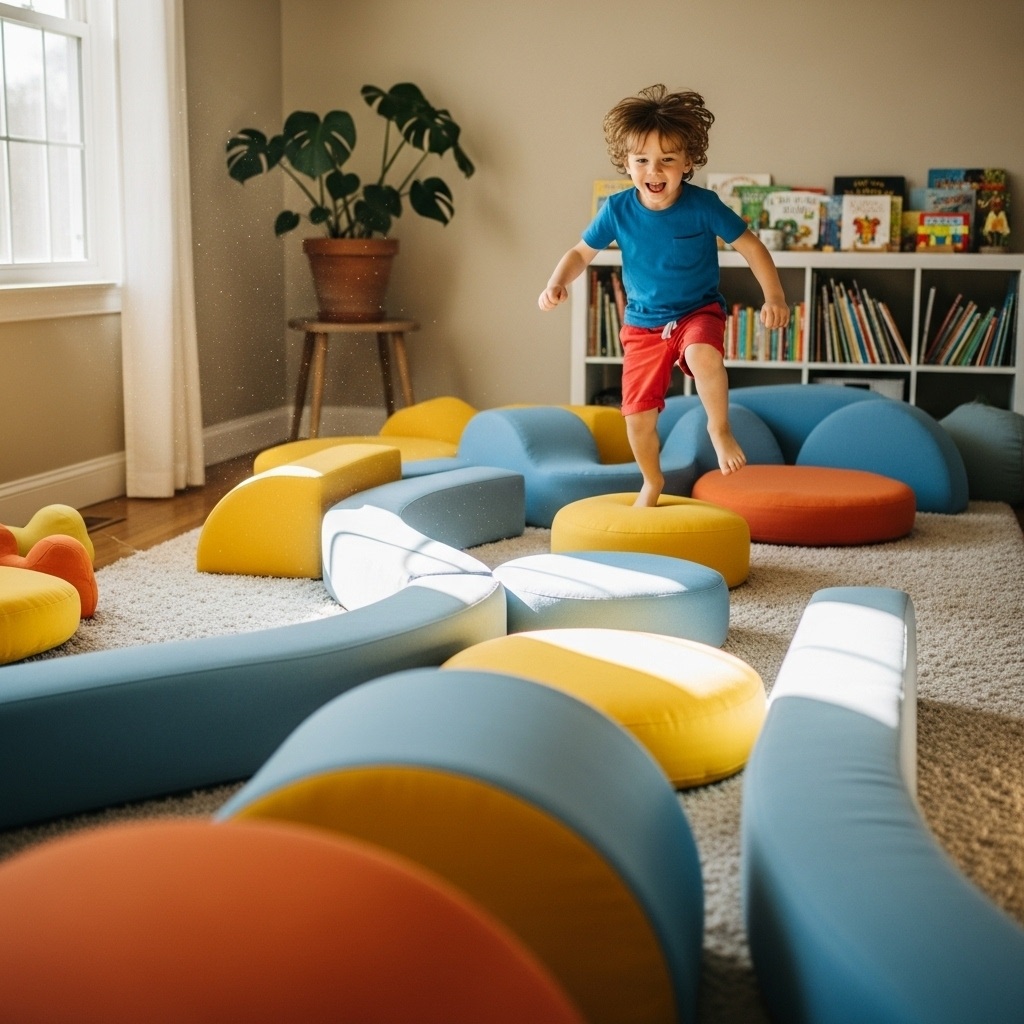
Kids need to move their bodies daily. Indoor obstacle courses made with pillows, chairs, and tape on the floor are great for burning energy. Dancing, jumping games, or yoga videos designed for kids also help release restlessness.
Learning Through Everyday Tasks
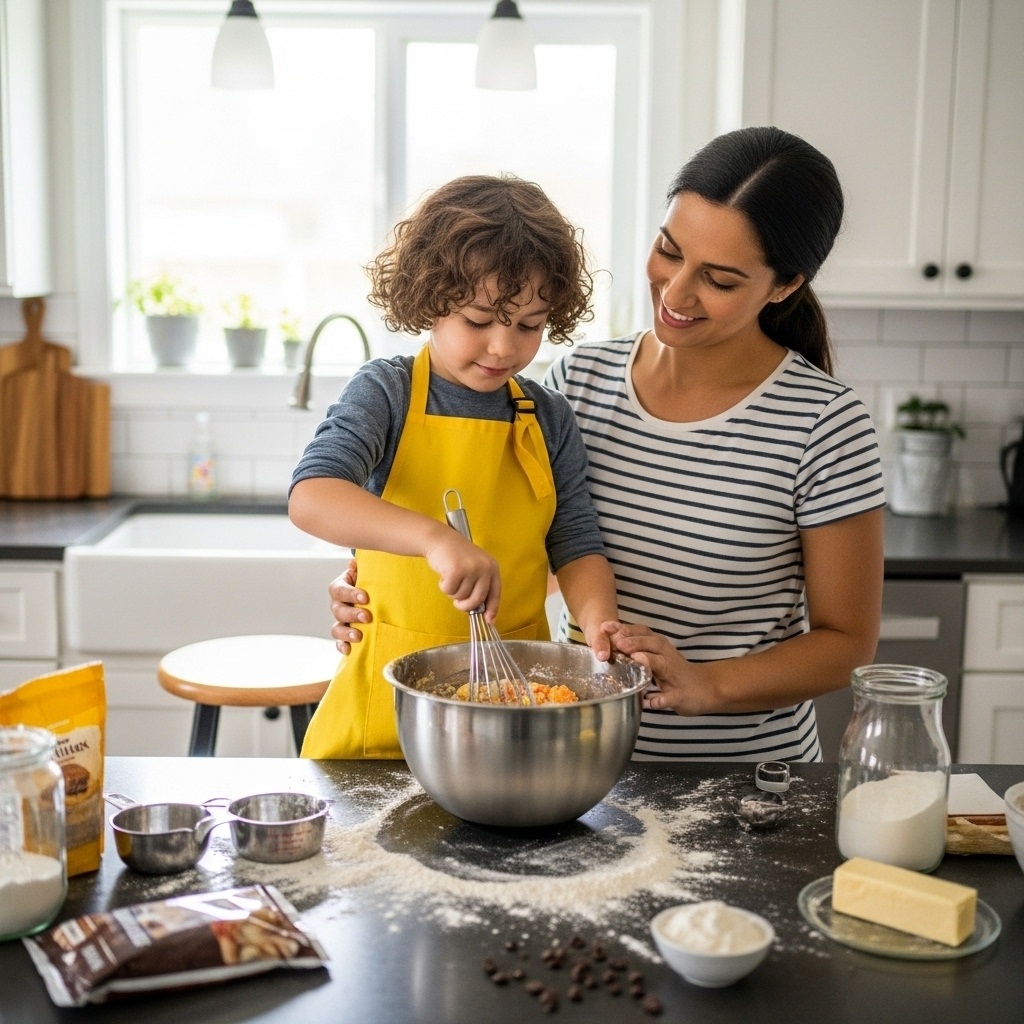
Daily routines can become learning activities. Let kids help with simple cooking tasks, sorting laundry by color, watering plants, or setting the table. These activities build confidence, independence, and life skills while keeping kids meaningfully occupied.
Quiet Time Activities That Encourage Focus
Quiet activities help kids slow down and recharge. Puzzles, coloring books, matching games, and sticker activities are excellent for calm moments. Creating a quiet corner with pillows and books encourages independent play without overstimulation.

Outdoor Activities Without Complicated Planning
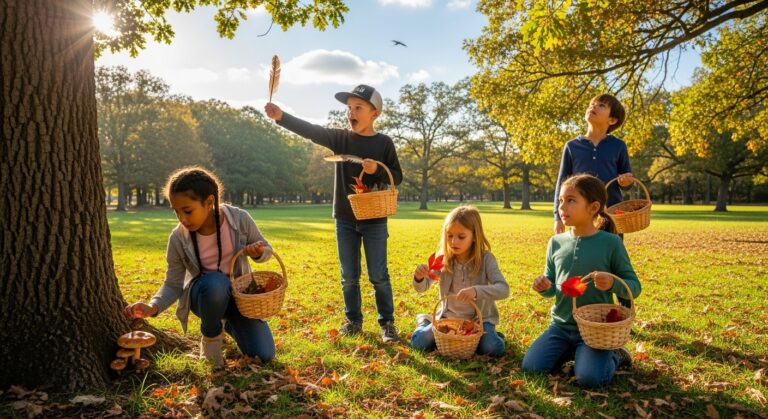
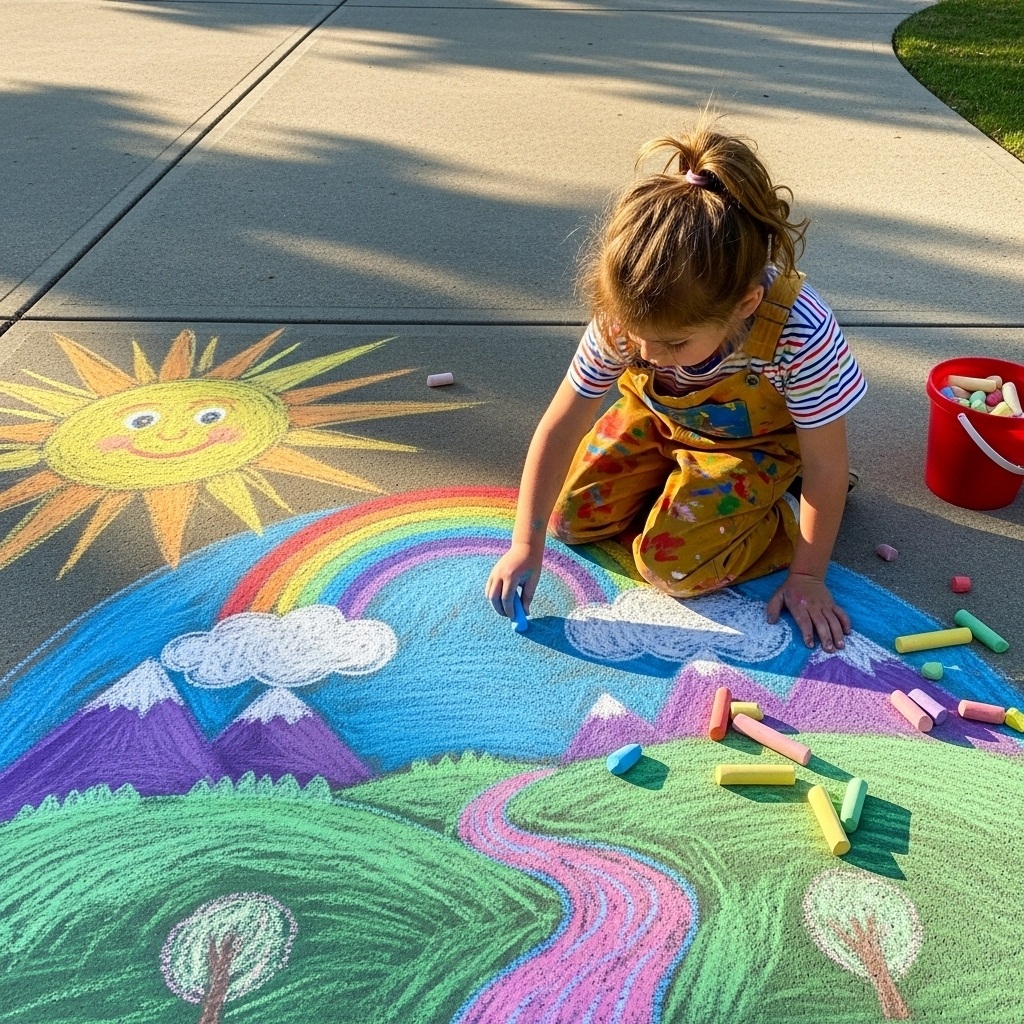
Outdoor play doesn’t need to be elaborate. Simple activities like chalk drawing, bubble blowing, scavenger hunts, or collecting leaves and rocks can keep kids engaged for long periods. Fresh air also improves mood and sleep.
Screen-Free Boredom Busters
Boredom often leads to creativity. Instead of immediately offering screens, encourage kids to choose from a short list of go-to activities they already know how to do independently. Keeping this list visible empowers kids to make choices on their own.
Rotating Activities to Keep Interest Fresh
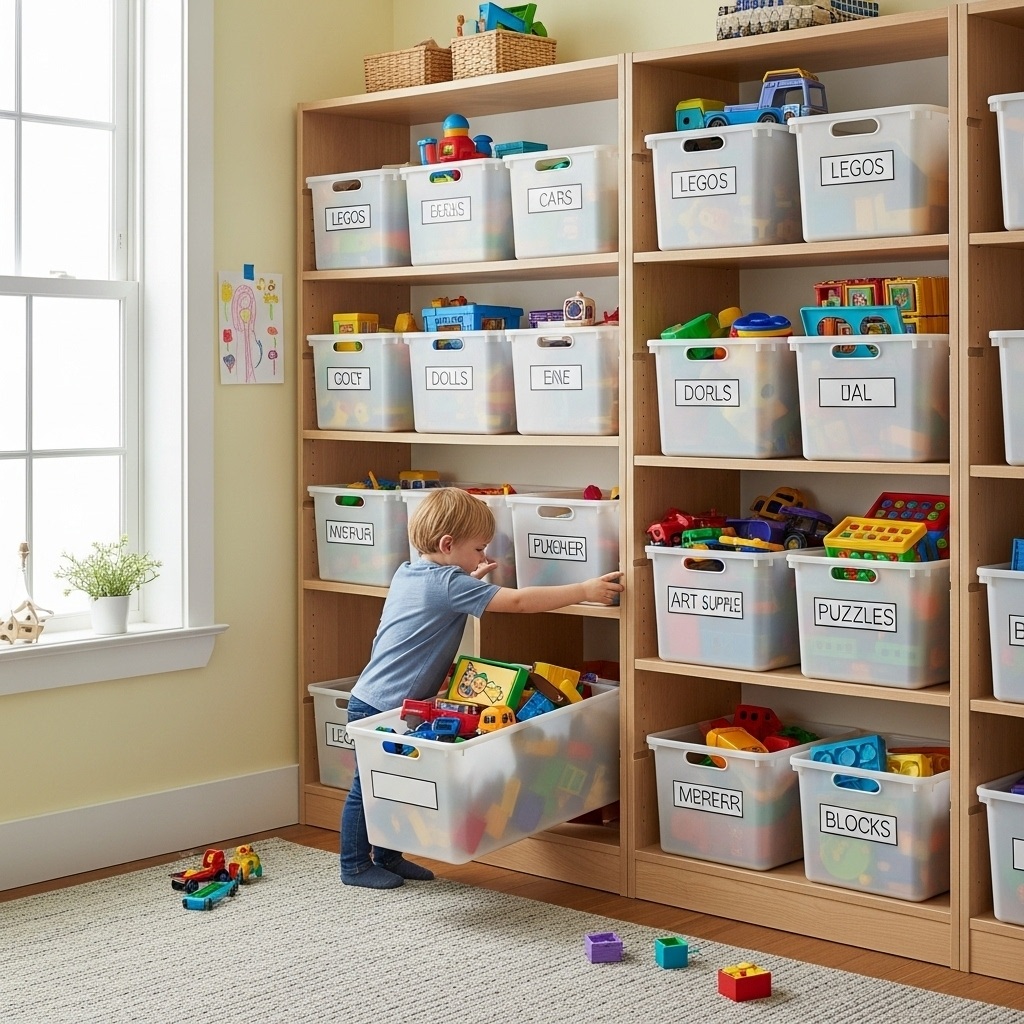
Kids lose interest when activities stay the same. Rotating toys and activity bins every few weeks keeps play exciting without buying new items. Store unused toys out of sight and reintroduce them later for renewed excitement.
Encouraging Independent Play
Independent play builds confidence and problem-solving skills. Start with short periods and gradually increase the time. Praise effort instead of results to help kids feel proud of their creativity and independence.
Making Activities Part of Daily Routine
When activities are built into the day, kids know what to expect and transitions become easier. A mix of active play, creative time, quiet play, and outdoor movement creates balance and reduces meltdowns.
Kids don’t need constant entertainment to thrive. With simple, intentional activities, they can stay engaged, learn naturally, and enjoy meaningful play—while parents enjoy a calmer, more manageable day.