
Toddler Tips: Everyday Strategies That Make Life With Toddlers Easier
Toddlers are curious, emotional, energetic, and constantly learning—all at the same time. One moment they’re giggling, the next they’re melting down over the wrong cup. While this stage can feel exhausting, the right toddler tips can make daily life calmer, more predictable, and far more enjoyable. Small changes in how you communicate, plan, and respond can completely shift your day.
Understanding Toddler Behavior First
Toddlers aren’t trying to be difficult. They’re learning independence but don’t yet have the language or emotional control to express big feelings. When you understand this, it becomes easier to respond with patience instead of frustration. Consistency, routine, and simple communication are the foundation of calmer toddler days.
Use Simple Language and Clear Expectations
Toddlers process short, clear instructions better than long explanations. Instead of saying, “Stop running because you’ll fall and get hurt,” try “Walking feet inside.” Clear expectations help toddlers understand boundaries without confusion.

Create Predictable Daily Routines
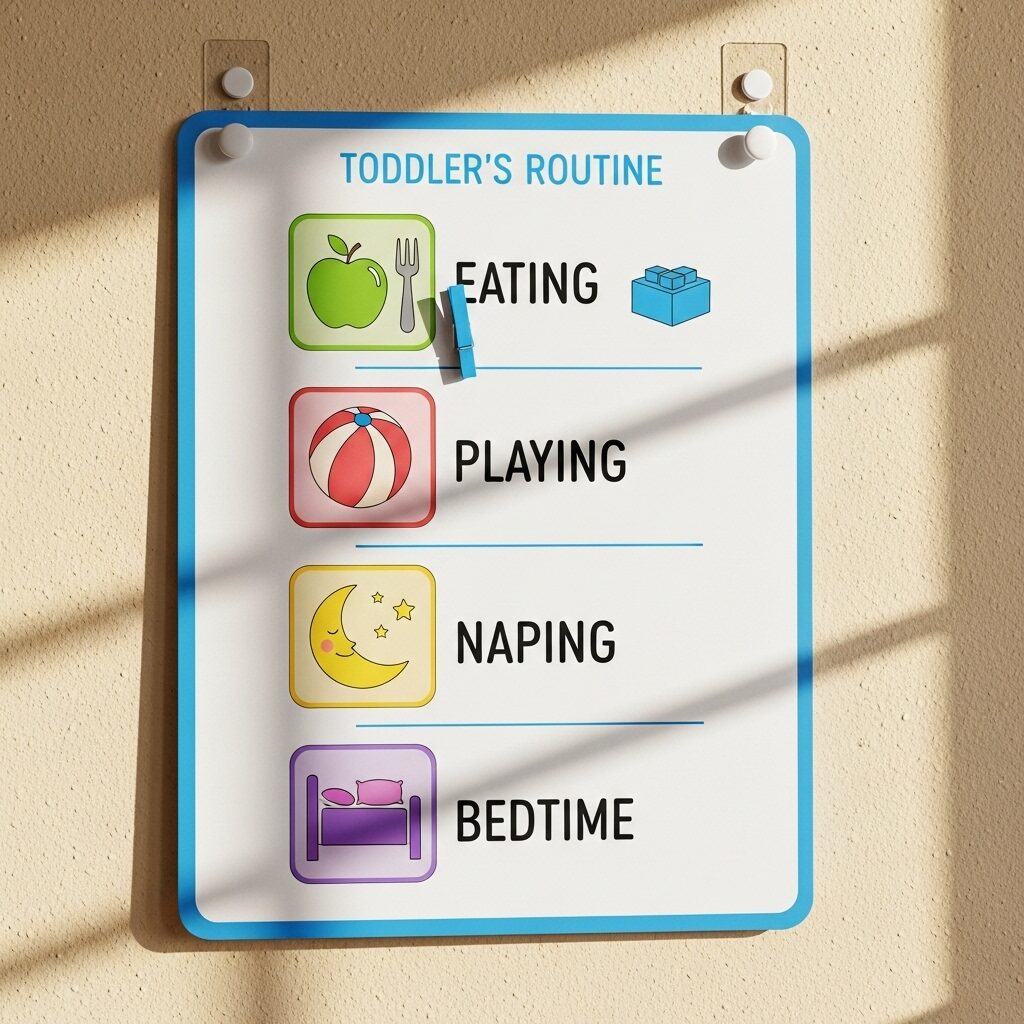
Routine helps toddlers feel safe. Regular wake-up times, meals, naps, and bedtime reduce resistance and tantrums. When toddlers know what’s coming next, they cooperate more easily because their world feels predictable. Visual routine charts with pictures can be especially helpful.
Offer Choices to Reduce Power Struggles
Toddlers crave independence. Giving controlled choices helps them feel empowered while keeping boundaries intact. Instead of asking open-ended questions, offer two acceptable options like “blue cup or red cup?” This reduces defiance and builds confidence.
Prepare for Transitions Ahead of Time
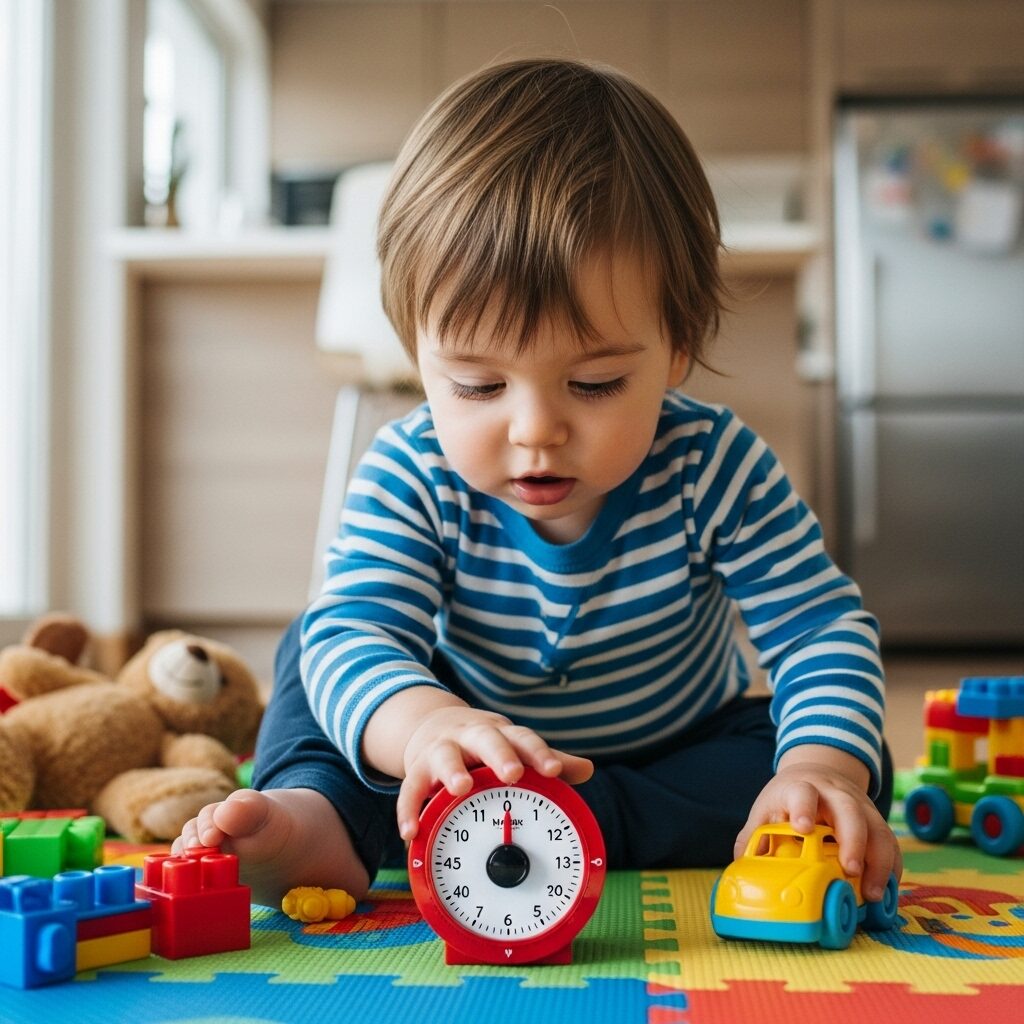
Transitions are hard for toddlers, especially when switching activities. Give warnings like “five more minutes” or “one more slide.” Timers work wonders because toddlers respond well to visual and auditory cues.
Turn Daily Tasks Into Games
Toddlers learn best through play. Turning clean-up, dressing, or handwashing into a game makes cooperation easier. Singing songs, racing the clock, or pretending tasks are missions transforms resistance into participation.
Encourage Independence in Small Ways
Let your toddler try simple tasks like putting toys away, washing hands, or choosing clothes. These moments build confidence and reduce frustration because toddlers feel capable. Expect messes—it’s part of learning.
Handle Tantrums With Calm, Not Control
When tantrums happen, stay calm and present. Acknowledge feelings without giving in to unsafe behavior. Saying “I see you’re upset, I’m here” helps toddlers feel understood and supported while they learn emotional regulation.

Use Connection Before Correction
Toddlers respond better when they feel connected. Get down to their level, make eye contact, and speak gently before correcting behavior. This builds trust and reduces repeated conflicts.
Limit Overstimulation
Too many activities, long days, or skipped naps can overwhelm toddlers quickly. Watch for signs of overstimulation like irritability or clinginess. Quiet play, outdoor walks, or calm music can help reset their mood.
Model the Behavior You Want to See
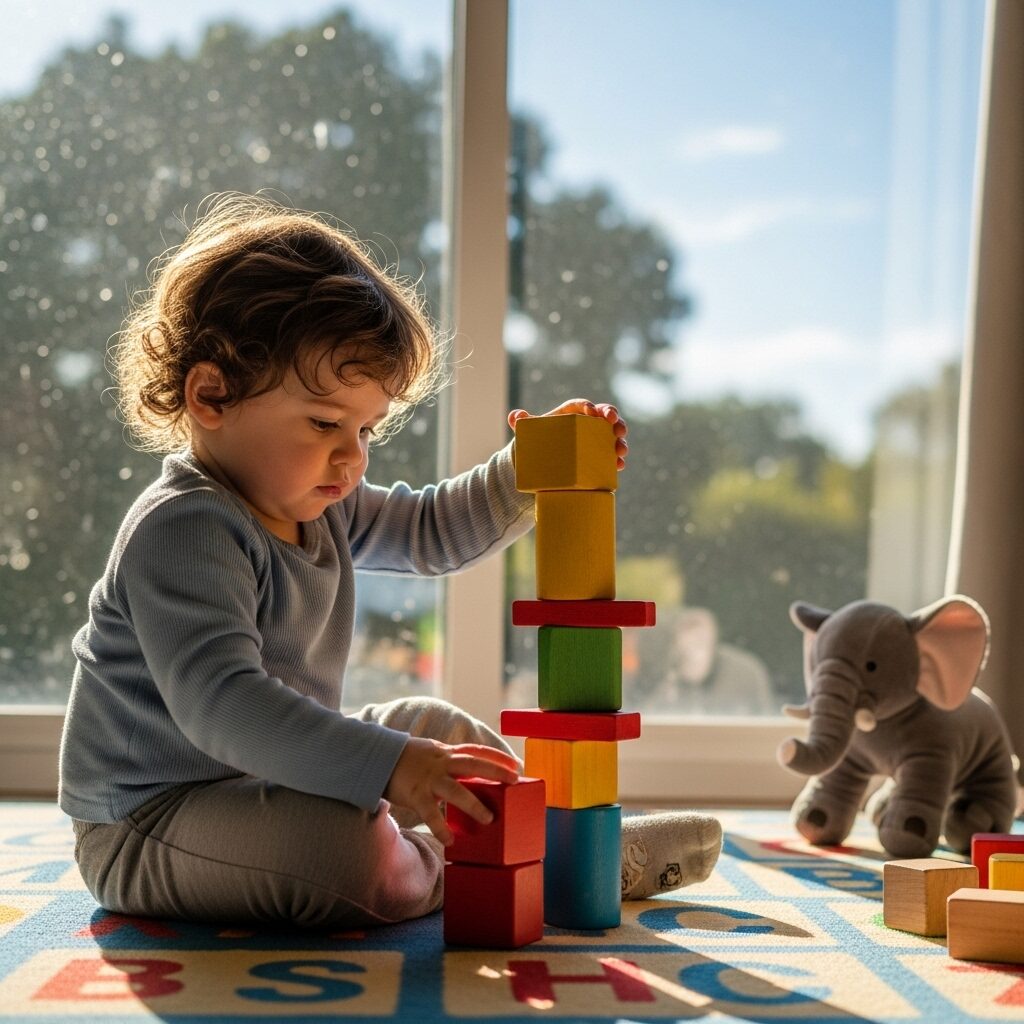
Toddlers imitate everything. When you speak calmly, clean up, and show kindness, they learn through observation. Modeling emotional regulation is one of the most powerful toddler tips you can practice daily.
End the Day With a Calming Bedtime Routine
A consistent bedtime routine signals the brain that it’s time to wind down. Bath, pajamas, books, and cuddles help toddlers transition to sleep peacefully. Calm evenings lead to better nights and easier mornings.

Toddlerhood is a season of rapid growth, not a problem to fix. With patience, structure, and realistic expectations, daily life with a toddler becomes less stressful and more meaningful. These toddler tips aren’t about perfection—they’re about making everyday moments easier for both you and your child.