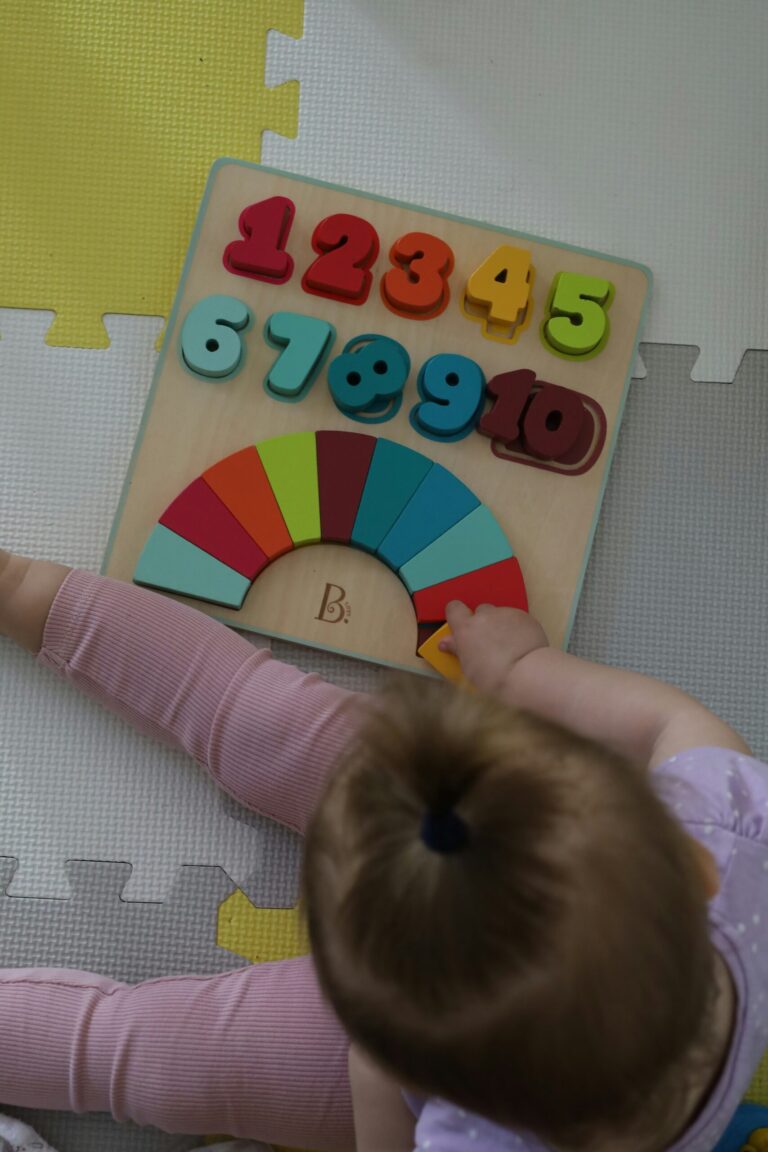

Family Routines: Simple Daily Rhythms That Bring Calm and Structure to Home Life
Family routines are not about strict schedules or rigid rules. They are gentle patterns that help everyone know what to expect throughout the day. When routines are simple and realistic, they reduce stress, support emotional security, and make daily life smoother for both parents and kids.
Why Family Routines Matter
Children feel safer when their day has predictable flow. Knowing what comes next helps reduce anxiety, power struggles, and meltdowns. For parents, routines lower decision fatigue and make days feel more manageable.

Think Rhythms, Not Rigid Schedules
Rigid schedules often break down when real life happens. Family routines work best when they follow natural rhythms like waking, eating, playing, resting, and sleeping. Flexibility allows routines to support your family instead of controlling it.
Start With Anchor Points in the Day
Anchor points are non-negotiable moments that structure the day, such as morning wake-up, meals, naps, and bedtime. Building routines around these points creates stability without overwhelming planning.
Create a Calm Morning Routine
A predictable morning routine sets the tone for the entire day. Simple steps like waking, getting dressed, eating breakfast, and preparing for the day help kids transition smoothly. Keeping mornings calm reduces stress for everyone.
Use Routines to Reduce Power Struggles
When routines are consistent, kids know what’s expected without constant reminders. Instead of repeated instructions, the routine becomes the guide. This reduces arguments and increases cooperation naturally.
Build Wind-Down Routines for Evenings
Evenings often feel rushed and overwhelming. A consistent wind-down routine signals the body to relax. Dinner, quiet play, bath, and bedtime activities help kids shift from stimulation to rest.
Image Prompt: parent reading a book to children in a softly lit living room before bedtime.
Keep Routines Simple and Repeatable
Overcomplicated routines are hard to maintain. Choose routines that work on both busy and slow days. Simple routines are more likely to stick and adapt as your family grows.
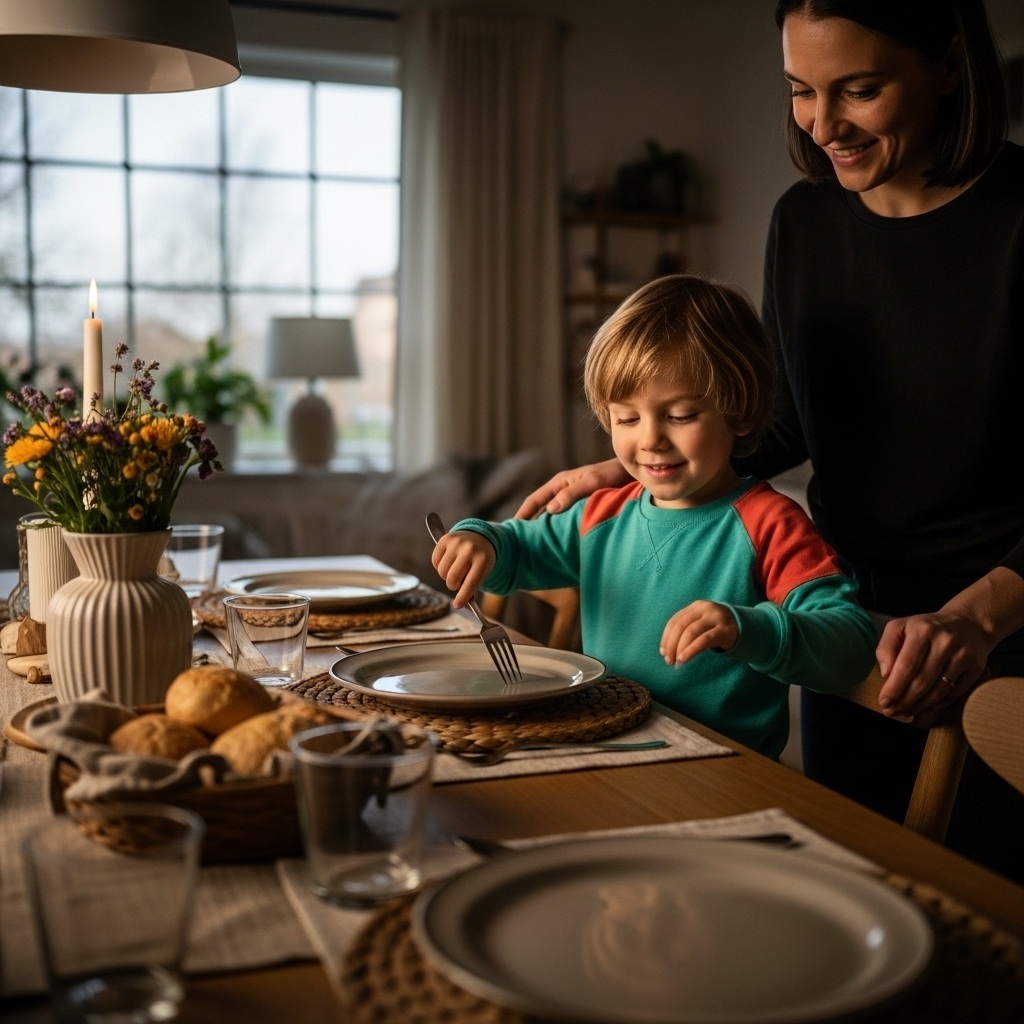
Include Kids in the Routine
Let kids participate by helping set the table, picking pajamas, or choosing bedtime stories. Involvement builds ownership and makes routines feel cooperative rather than forced.
Adjust Routines as Your Family Changes
Routines aren’t permanent. As kids grow, schedules shift, or seasons change, routines should evolve. Regularly reassessing what works keeps routines supportive instead of stressful.
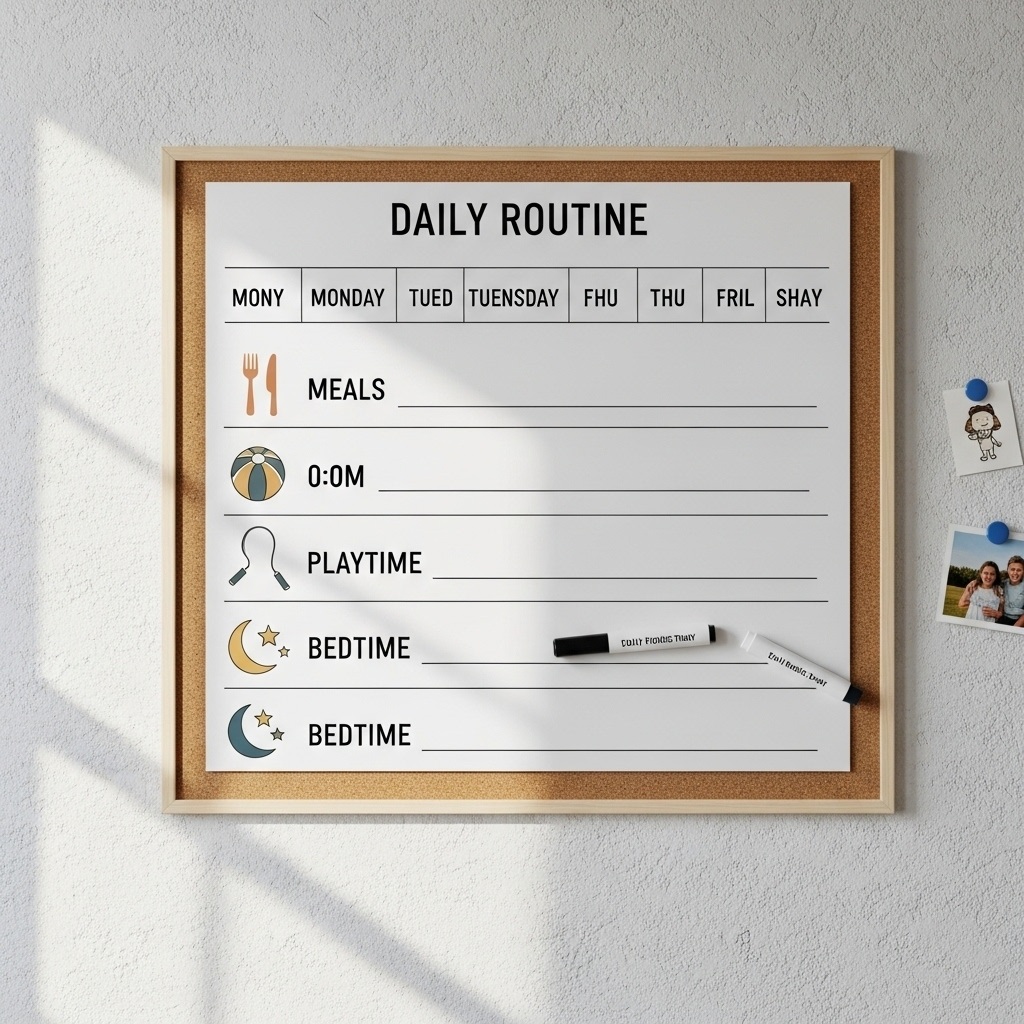
Use Visual Supports When Helpful
Visual charts, picture schedules, or simple checklists help younger children understand routines without constant reminders. Visual cues increase independence and confidence.
Give Yourself Grace When Routines Break
Some days routines fall apart—and that’s okay. Family routines are tools, not rules. Returning to them gently after disruptions matters more than maintaining them perfectly.
Family routines create a sense of safety, connection, and balance. When routines are flexible and realistic, they support calmer days, smoother transitions, and a more peaceful home for everyone.