
Kids Activities: Fun, Educational Ideas That Keep Children Engaged at Home
Keeping kids entertained while also supporting learning and development doesn’t have to be complicated. Simple, purposeful activities can spark creativity, improve focus, and provide fun for children of all ages. The key is variety, flexibility, and including opportunities for independent and group play.
Why Structured Play Isn’t Always Necessary
While structured activities have benefits, free play is equally important. Children learn problem-solving, imagination, and social skills when allowed to explore materials and ideas on their own. Providing a mix of guided and free play encourages both independence and creativity.

Indoor Movement Activities
Toddlers and preschoolers need to release energy, even indoors. Create simple obstacle courses with pillows, chairs, or masking tape on the floor. Dancing, jumping games, and simple yoga poses can also help burn energy and develop coordination.

Sensory and Exploration Play
Sensory activities stimulate curiosity and brain development. Options include rice bins, water play, playdough, or textured fabrics. These activities help children explore textures, colors, and shapes while improving motor skills.

Creative Arts and Crafts
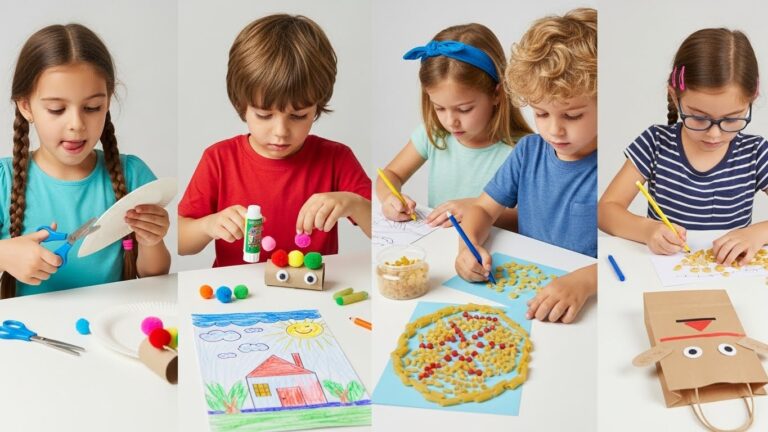
Arts and crafts encourage imagination and fine motor skills. Stock a small bin with paper, crayons, stickers, and safe scissors. Let children create freely, without focusing on perfection. The process is more important than the final product.

Educational Activities Through Everyday Tasks
Learning doesn’t have to feel like school. Cooking, sorting laundry, watering plants, or organizing toys can become educational activities. Children learn counting, categorization, sequencing, and responsibility while engaging in daily routines.

Outdoor Exploration
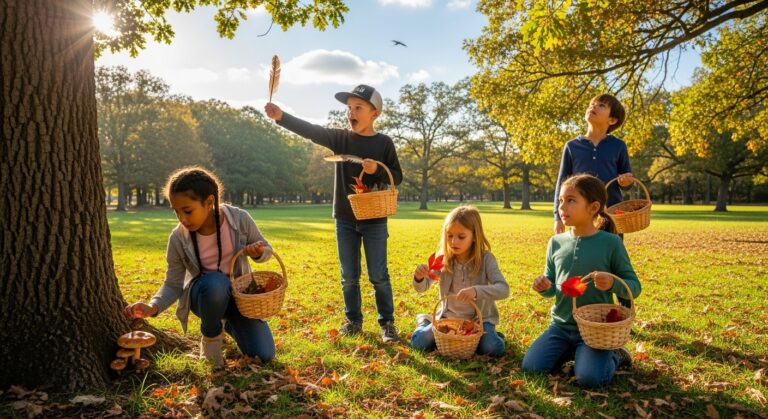
Outdoor play supports physical activity, vitamin D intake, and curiosity. Simple activities like chalk drawing, bubble blowing, nature walks, and scavenger hunts can provide hours of engagement. Outdoor time also helps regulate sleep and energy levels.

Quiet Time for Focus and Reflection
Quiet activities are essential to balance high-energy play. Puzzles, sticker books, matching games, and reading corners encourage focus, problem-solving, and imagination. A cozy area with soft lighting supports calm and independent play.

Rotate Toys and Activities to Keep Interest
Children can lose interest if the same toys and materials are always available. Rotate toys and activities weekly to make old items feel new and exciting. This prevents boredom without requiring constant purchases.
Encourage Social Interaction
Even at home, opportunities for social play are valuable. Sibling interactions, playdates, or video calls with family can help children practice sharing, communication, and empathy.
Foster Independence Through Choice
Allow children to make small choices, such as which activity to do or which colors to use. Providing autonomy builds confidence and decision-making skills.

With a variety of indoor and outdoor, high-energy and quiet activities, kids can stay engaged, learn, and have fun every day. The goal is simple: meaningful play that supports development while giving parents a structured, manageable routine.