

Toddler Feeding Help: Practical Ways to Encourage Healthy Eating Without Stress
Feeding a toddler can feel overwhelming, especially when preferences change daily and food refusals become routine. Toddler feeding help isn’t about forcing bites or creating perfect meals—it’s about building healthy habits, reducing power struggles, and creating a positive relationship with food that lasts.
Understand Why Toddlers Are Picky Eaters
Toddlers are learning independence, and food is one of the easiest ways for them to express control. Appetite fluctuations, slow growth compared to infancy, and sensory sensitivities all play a role. Knowing this helps parents respond calmly instead of feeling frustrated or worried.
Create a Consistent Meal and Snack Routine
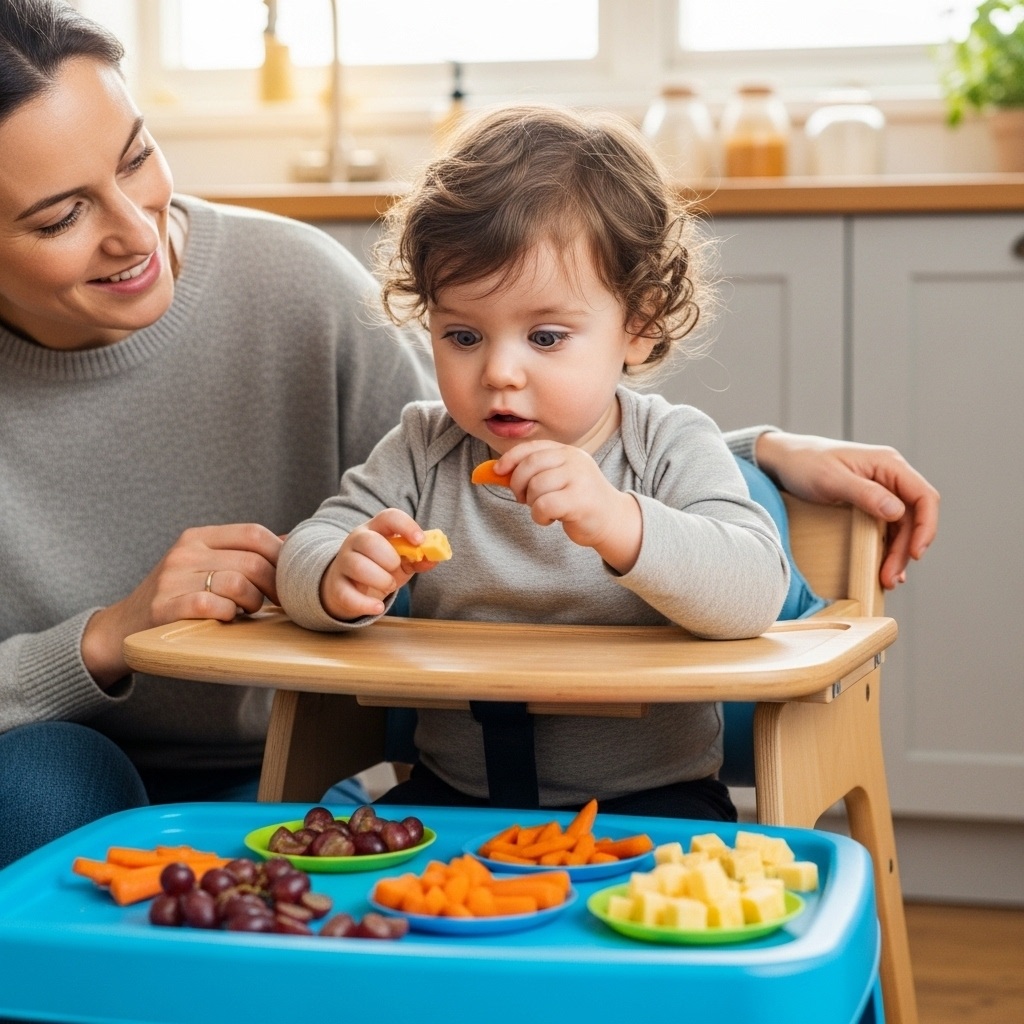
A predictable eating schedule helps toddlers recognize hunger and fullness cues. Offering meals and snacks at regular times reduces grazing and makes toddlers more open to trying foods when they are genuinely hungry. Water between meals is usually enough to prevent filling up on milk or juice.
Offer Balanced Plates Without Pressure
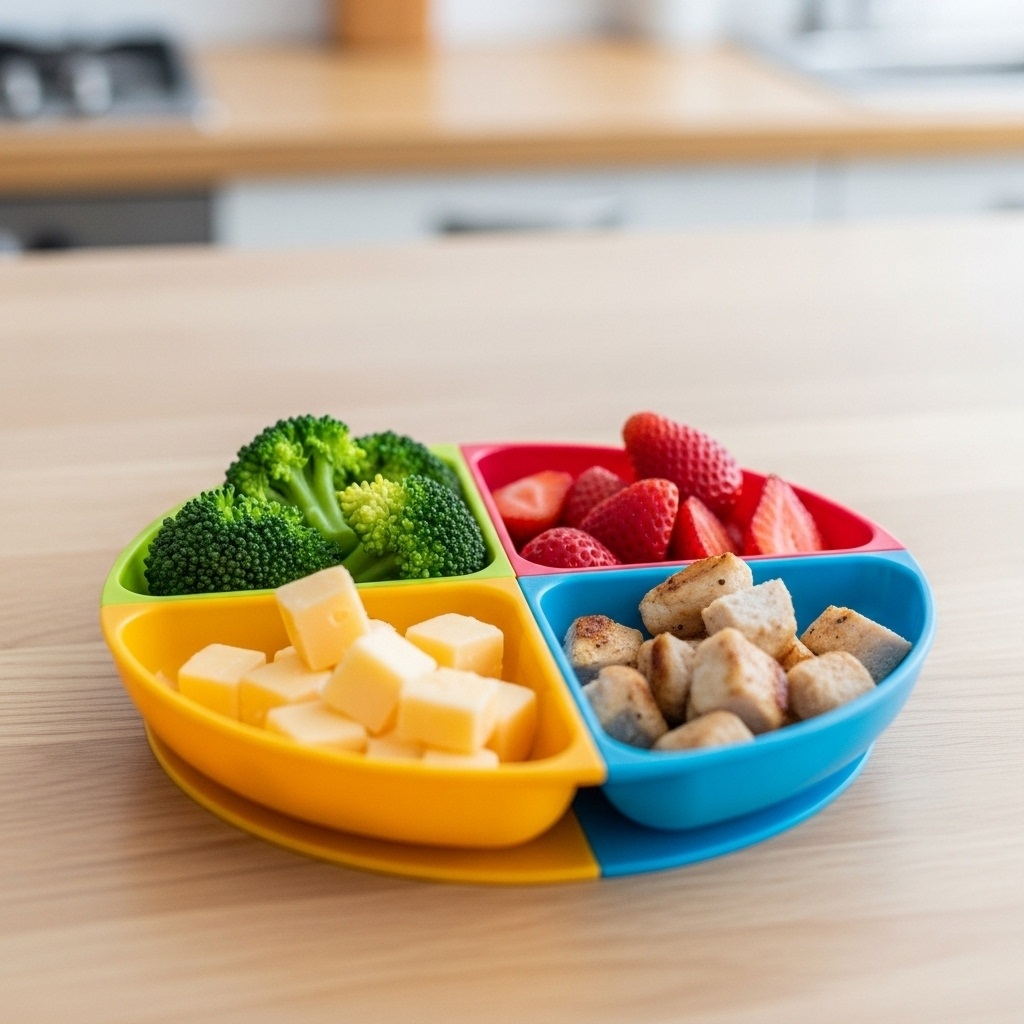
Aim to include a mix of protein, carbohydrates, healthy fats, and fruits or vegetables at each meal. Let your toddler decide how much to eat from what’s offered. Removing pressure helps toddlers feel safe exploring food at their own pace.
Serve New Foods Alongside Familiar Favorites
Introducing new foods works best when paired with foods your toddler already likes. Seeing something familiar on the plate builds confidence and increases the chance they’ll explore new flavors without fear.
Let Toddlers Touch and Explore Food
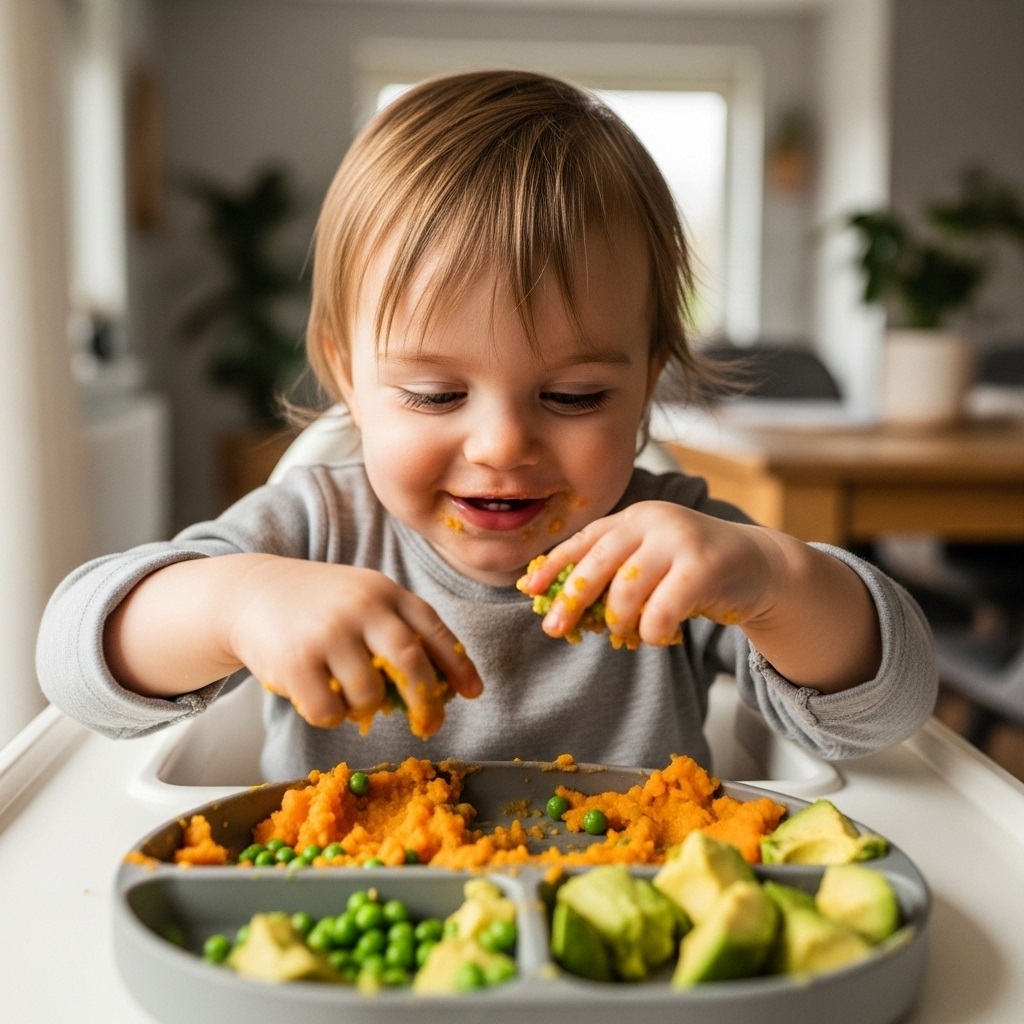
Touching, squishing, or even licking food is part of learning. Sensory play at the table helps toddlers feel comfortable with textures before they’re ready to eat. Messy meals are a sign of development, not failure.
Avoid Using Food as a Reward or Punishment
Using dessert as a reward or withholding food as punishment can create unhealthy associations. Keep all foods neutral. This helps toddlers listen to their bodies rather than external pressure.
Model Healthy Eating Habits
Toddlers learn by watching. Eating the same meals together shows them that the food is safe and enjoyable. Family meals also encourage conversation and positive mealtime behavior.

Handle Food Refusal Calmly
When a toddler refuses food, stay calm and avoid negotiating bites. Simply remove the plate when mealtime is over and offer food again at the next scheduled meal or snack. Consistency builds trust and reduces battles.
Make Mealtimes Pleasant and Distraction-Free
Turn off screens and focus on connection. A calm environment helps toddlers recognize hunger cues and enjoy eating. Talking about colors, shapes, or textures keeps mealtime engaging without pressure.
Encourage Independence With Toddler-Friendly Tools
Child-sized utensils, open cups, and booster seats help toddlers feel capable. Independence often leads to more interest in eating and trying new foods.

Respect Appetite Changes
Some days toddlers eat a lot, and other days very little. This is normal. Focus on weekly intake rather than individual meals to reduce worry and stress.
Be Patient With Progress
Building healthy eating habits takes time. Repeated exposure to foods, calm responses, and consistent routines gradually help toddlers expand their diet. Progress may be slow, but it is meaningful.
Toddler feeding help is about guiding, not controlling. With patience, structure, and trust, mealtimes can become calmer, more enjoyable, and supportive of lifelong healthy habits.