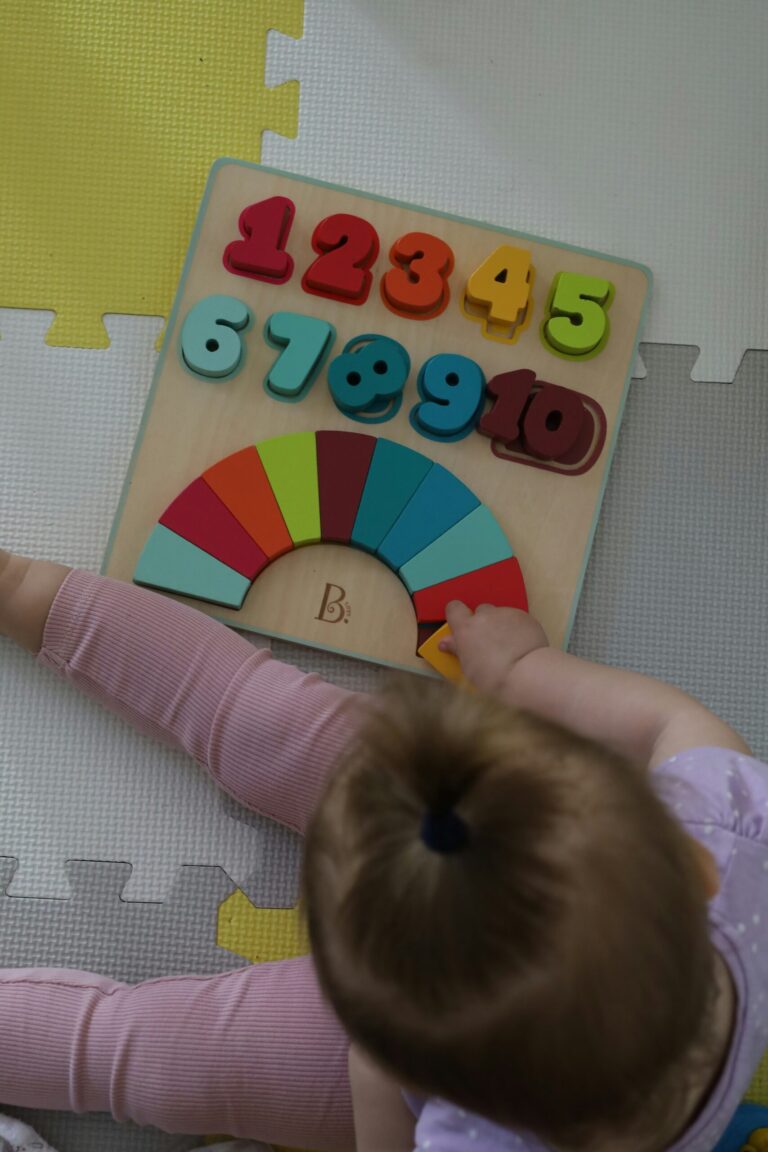

Family Routines: Creating Daily Structure That Brings Calm to Family Life
Family routines help create a sense of security, predictability, and balance in a busy household. When children know what to expect, they feel safer and more cooperative, and parents experience less stress making daily decisions. Family routines don’t need to be rigid—they simply provide a gentle structure that supports everyone.
Why Family Routines Matter
Routines help children understand their day and reduce anxiety caused by uncertainty. Knowing what comes next builds confidence and supports emotional regulation. For parents, routines save time and energy by reducing constant decision-making.

Start With the Most Important Parts of the Day
Focus first on routines that impact the day the most, such as mornings, meals, and bedtime. A calm morning sets the tone, while a predictable bedtime helps children wind down and sleep better.
Keep Routines Simple and Realistic
Overcomplicated routines are hard to maintain. Choose a few key steps and keep them consistent. Simple routines are easier for children to follow and for parents to enforce without stress.
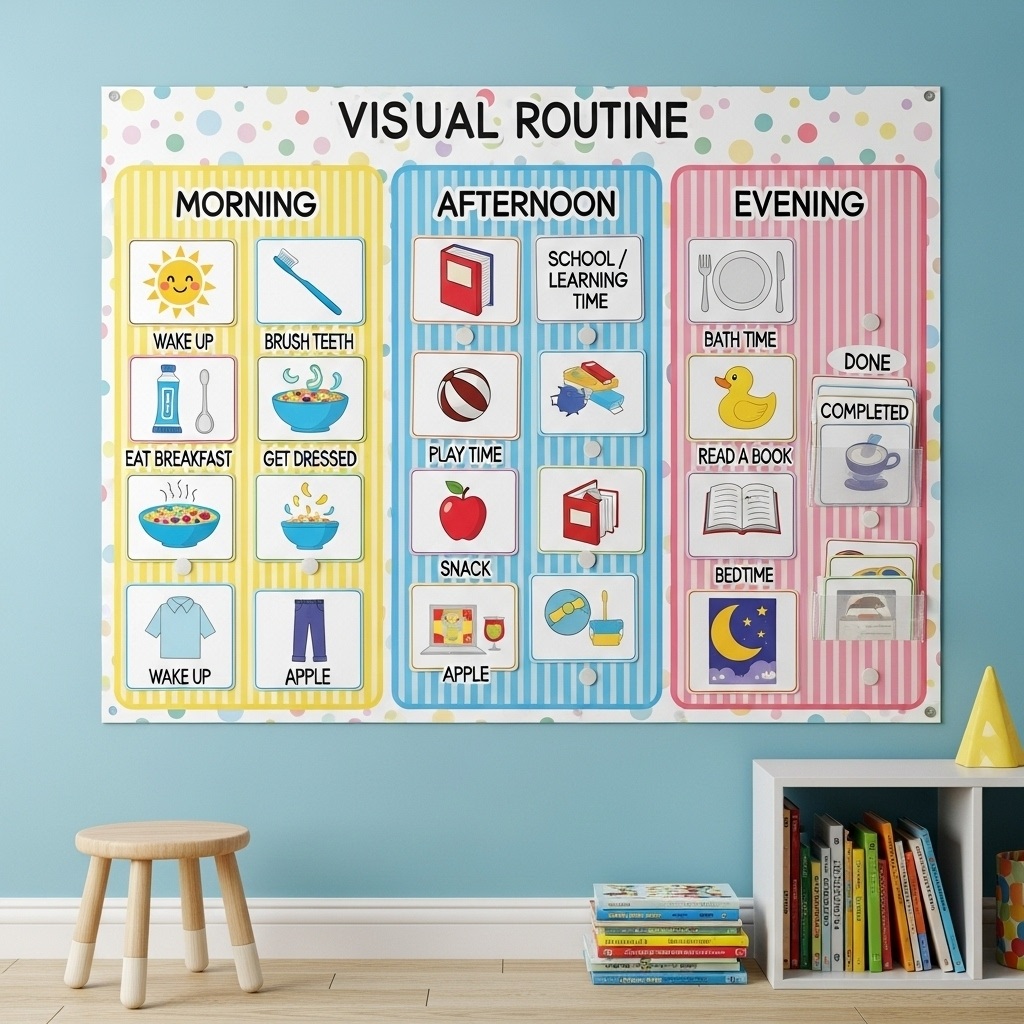
Use Visual Schedules for Younger Kids
Visual schedules help children understand routines without constant reminders. Pictures or charts placed at their eye level encourage independence and cooperation.
Build Flexibility Into Your Day
Life doesn’t always go as planned. Allow flexibility within routines so unexpected changes don’t feel overwhelming. Consistency matters more than perfection.
Involve Children in Routine Planning
When children help create routines, they feel more invested in following them. Simple discussions about order and timing give them a sense of ownership.
Create Calming Bedtime Routines
A predictable bedtime routine signals the body that it’s time to rest. Activities like bathing, reading, and quiet conversation help children relax and fall asleep more easily.

Use Routines to Reduce Power Struggles
When routines guide the day, parents don’t have to negotiate every step. Routines become the “rule,” reducing conflict and resistance.
Adjust Routines as Children Grow
As kids develop, routines should evolve. What works for a toddler may need adjustment for a school-age child. Regular check-ins help routines stay relevant.
Connect During Routine Moments
Routine tasks like meals, baths, or getting ready are opportunities for connection. Talking, listening, and sharing small moments strengthen family bonds.
Be Patient During the Adjustment Period
New routines take time to settle. Expect some resistance at first, especially with young children. Consistency and calm responses help routines stick.
Focus on Progress, Not Perfection
Missing a routine occasionally doesn’t undo your efforts. What matters is returning to consistency without guilt or frustration.
Family routines create a rhythm that supports calm, connection, and cooperation. With simple structure and flexibility, routines can make everyday family life feel smoother and more enjoyable.