
Family Meals: How to Build Simple Dinnertime Routines That Actually Work
Family meals are often talked about as an ideal, but in real life they can feel rushed, messy, and stressful. Between busy schedules, picky eaters, and tired parents, sitting down together isn’t always easy. The goal of family meals isn’t perfection—it’s connection. With a few simple strategies, family meals can become calmer, more consistent, and something everyone looks forward to.
Why Family Meals Matter More Than You Think
Family meals help children feel secure and connected. They support language development, healthier eating habits, and emotional bonding. Even short meals count. Sitting together for 10–15 minutes is enough to build connection and routine.
Keep Family Meals Simple, Not Fancy
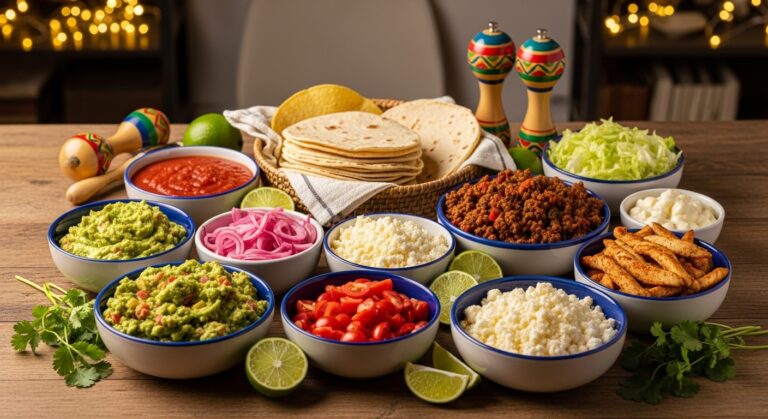
One of the biggest barriers to family meals is the pressure to cook “proper” dinners. Family meals can be leftovers, breakfast-for-dinner, or simple one-pan meals. What matters is eating together, not what’s on the plate.
Choose Consistency Over Perfect Timing
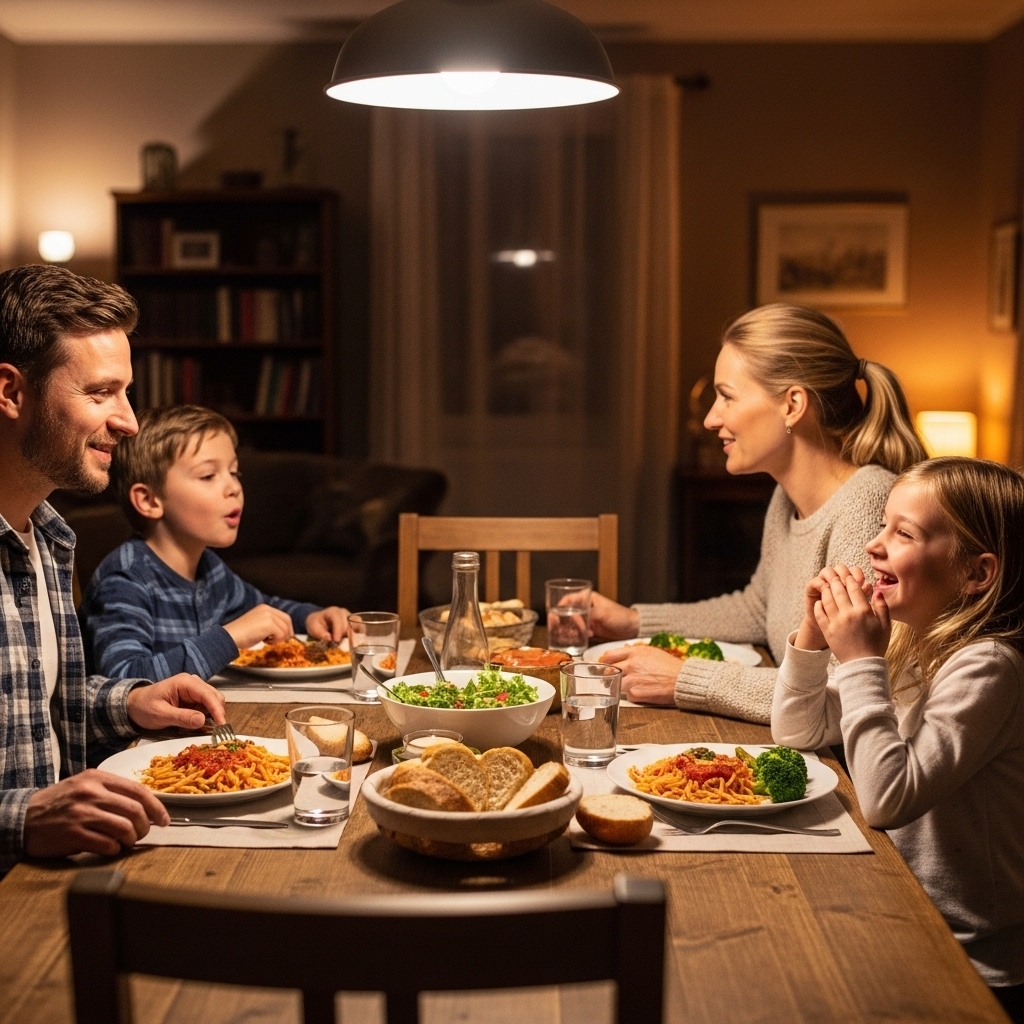
Family meals don’t have to happen at the same time every night. Pick a realistic window—early dinner, late dinner, or even shared snacks. Consistency builds habit. Even a few shared meals each week make a difference.
Create a Predictable Mealtime Routine
A simple routine helps kids transition smoothly into mealtime. This might include washing hands, setting the table, or saying a short phrase before eating. Routines signal to kids that it’s time to slow down and focus.
Serve One Meal With Safe Options
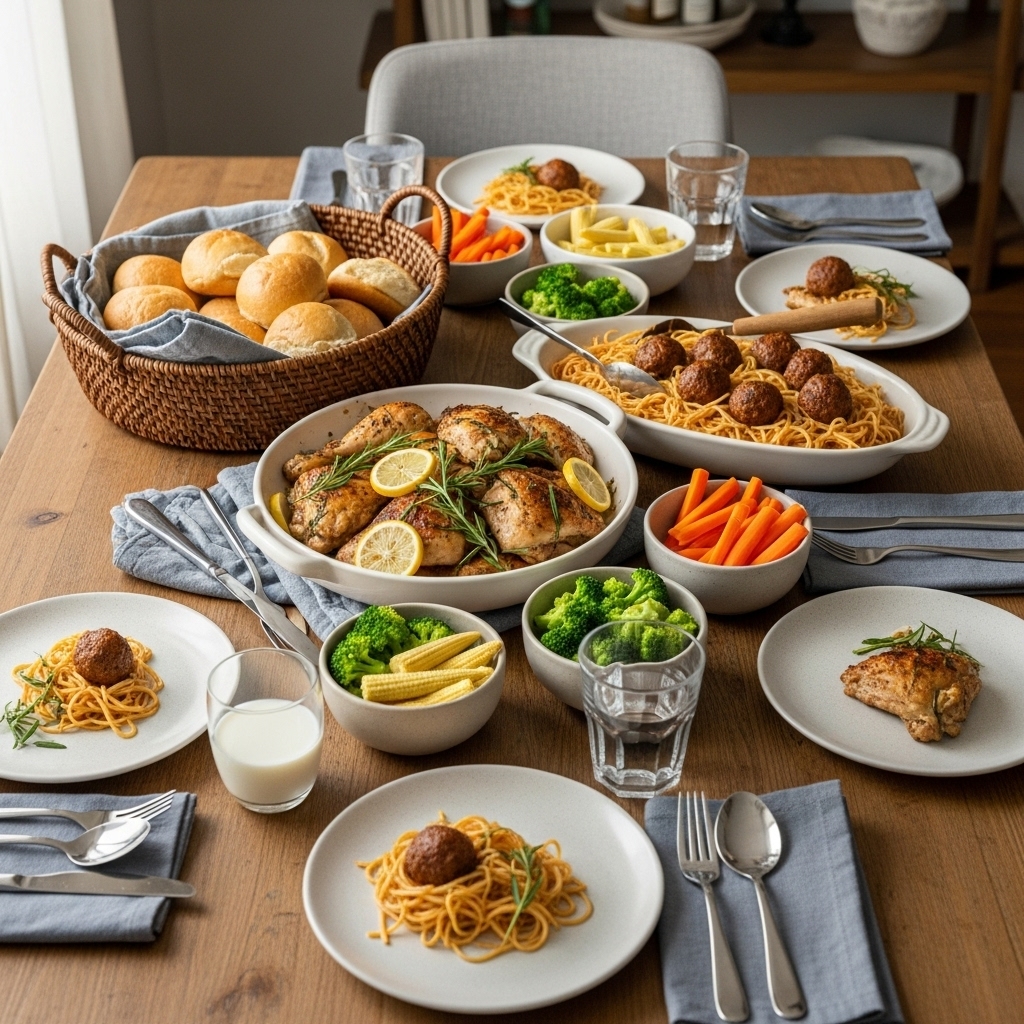
Avoid cooking separate meals for kids. Serve one main meal and include one or two familiar “safe foods” like rice, bread, or fruit. This reduces stress and encourages kids to explore new foods without pressure.
Keep Conversations Light and Pressure-Free
Mealtime isn’t the time to correct behavior or discuss problems. Focus on positive conversation—ask about favorite parts of the day, funny moments, or simple questions kids enjoy answering. When mealtimes feel safe, kids relax and eat better.
Limit Distractions at the Table
Turning off screens during meals helps kids stay present and improves communication. Background noise can make kids overstimulated and less aware of hunger cues. A calm table encourages mindful eating and better connection.
Involve Kids in Meal Preparation
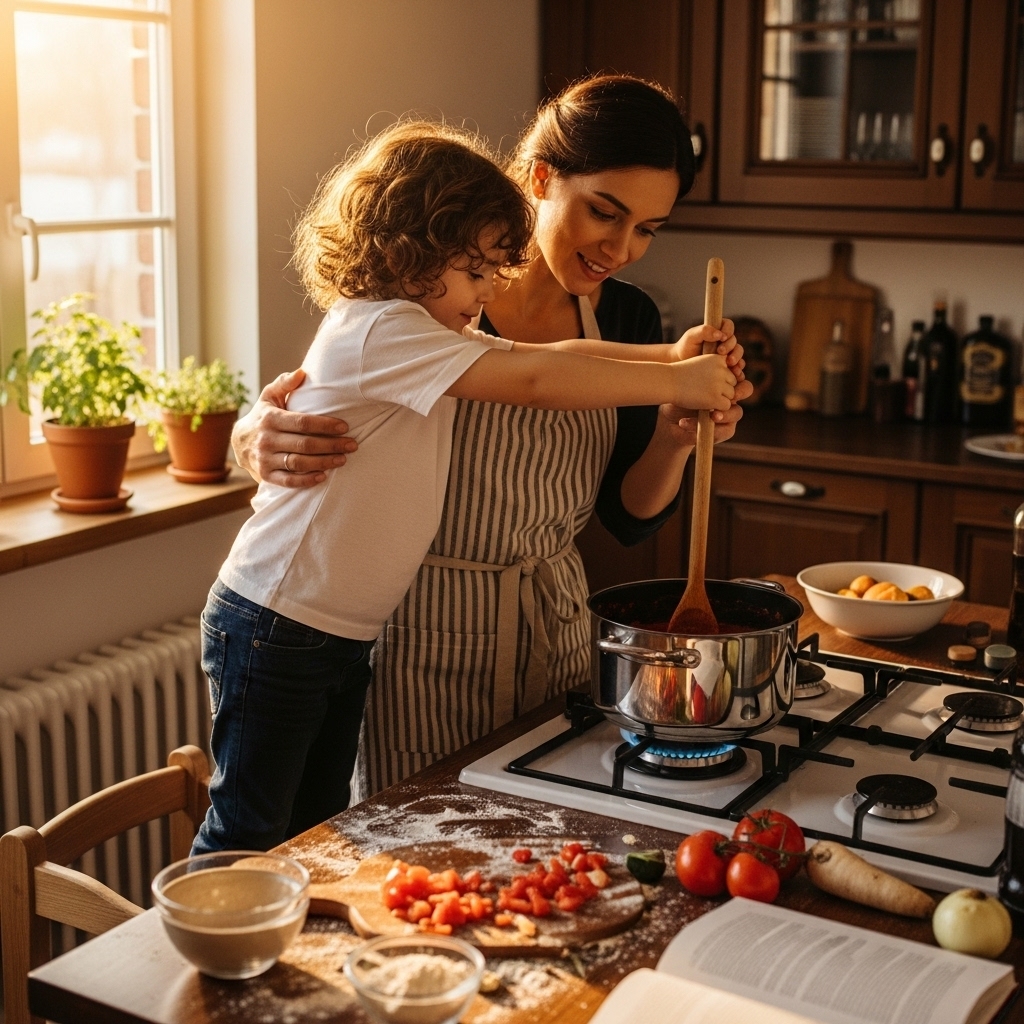
Kids are more interested in meals they help prepare. Simple tasks like washing vegetables, stirring, or setting napkins give children ownership and make family meals more enjoyable.
Accept That Some Meals Will Be Messy
Spills, noise, and unfinished plates are normal—especially with young kids. Family meals don’t need to be quiet or clean to be successful. Let go of control and focus on togetherness instead.
Start Small if Family Meals Feel Hard
If daily family meals feel overwhelming, start with one or two per week. Build slowly. Habits grow stronger when they feel achievable instead of forced.
Use Family Meals to Build Emotional Connection
Family meals are a chance to check in emotionally. Sitting together regularly helps parents notice changes in mood, behavior, and communication. These moments create trust and strengthen relationships over time.

Final Thoughts
Family meals don’t need to be perfect to be powerful. Simple food, relaxed expectations, and consistent connection are what truly matter. When you focus on routine instead of results, family meals become a grounding part of daily life that supports both parents and children.