
Family Meals: Simple Ways to Build Better Dinnertime Routines Without Stress
Family meals don’t have to be elaborate or perfectly planned to be meaningful. In fact, the most successful family meals are often simple, flexible, and realistic. Sitting down together—even for a short time—creates connection, builds routines, and supports healthier eating habits for both kids and adults.
Why Family Meals Matter More Than Perfection
Family meals provide more than food. They create opportunities for conversation, emotional connection, and modeling healthy habits. Kids who regularly eat with their family often feel more secure and engaged, even when meals are quick or informal.
Start With Consistency, Not Complexity
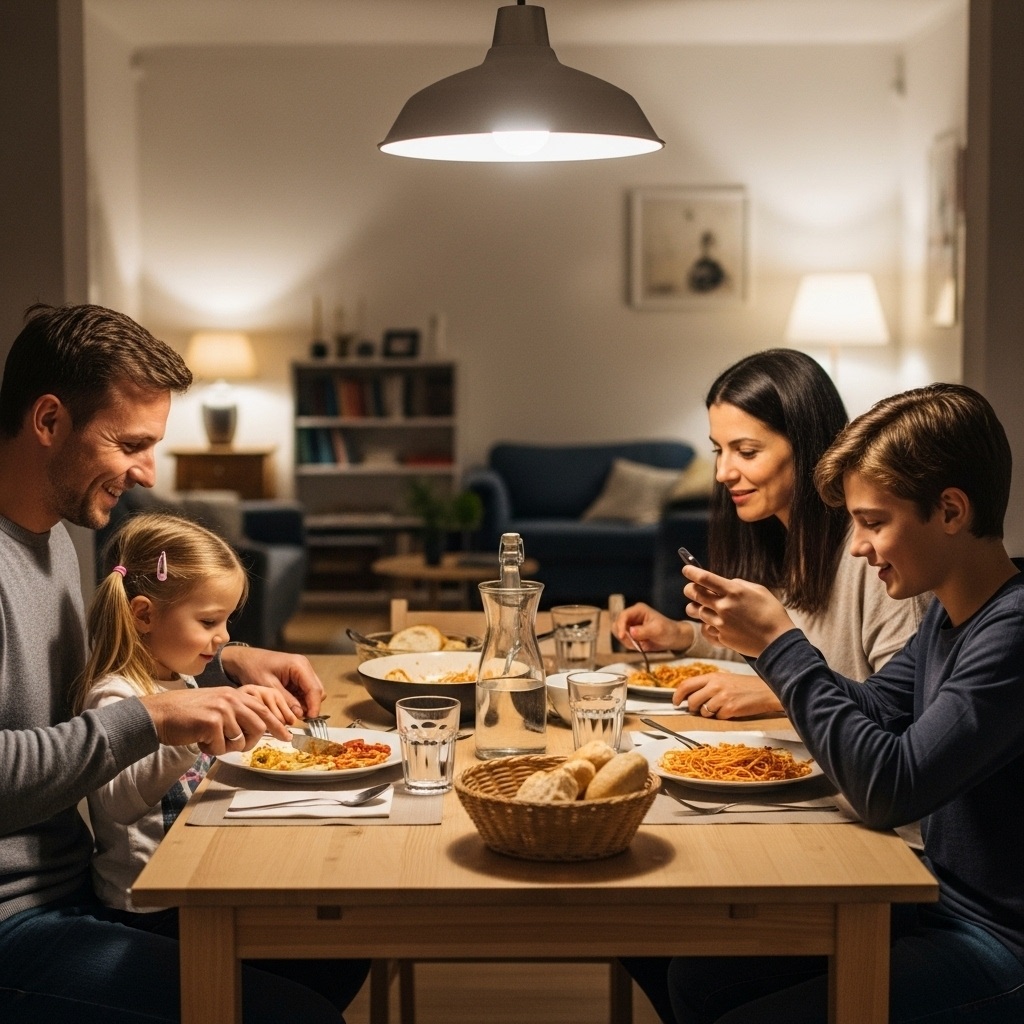
The goal isn’t gourmet cooking—it’s showing up regularly. Even three or four shared meals a week make a difference. Choose meals that are easy to prepare and repeat them often to reduce decision fatigue.
Keep Meals Simple and Kid-Friendly
Complicated recipes increase stress. Simple meals with familiar ingredients help kids feel comfortable and more willing to eat. Rotating a short list of family-approved meals saves time and energy while keeping meals predictable.
Serve Meals Family-Style When Possible
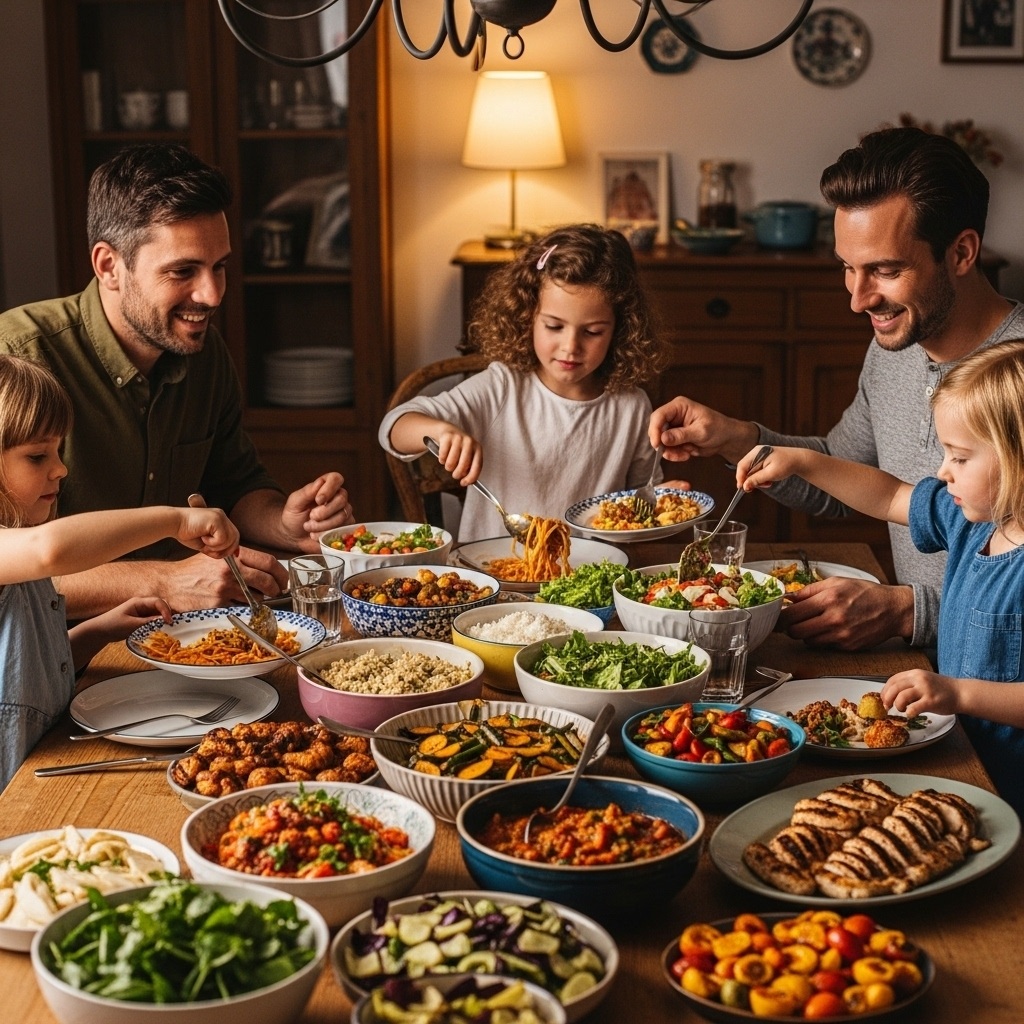
Placing food in serving dishes allows kids to choose what and how much to eat. This encourages independence and reduces power struggles around food. Family-style meals also make everyone feel included.
Create a Calm Mealtime Environment
Turning off screens and sitting together—even briefly—helps kids focus on food and connection. A calm environment reduces rushed eating and encourages conversation. Mealtime doesn’t need to be long to be meaningful.
Handle Picky Eating Without Pressure
Avoid forcing bites or negotiating food. Offer balanced meals with at least one familiar food. Over time, repeated exposure builds acceptance. Trust that kids will eat when they’re hungry.
Involve Kids in Meal Prep
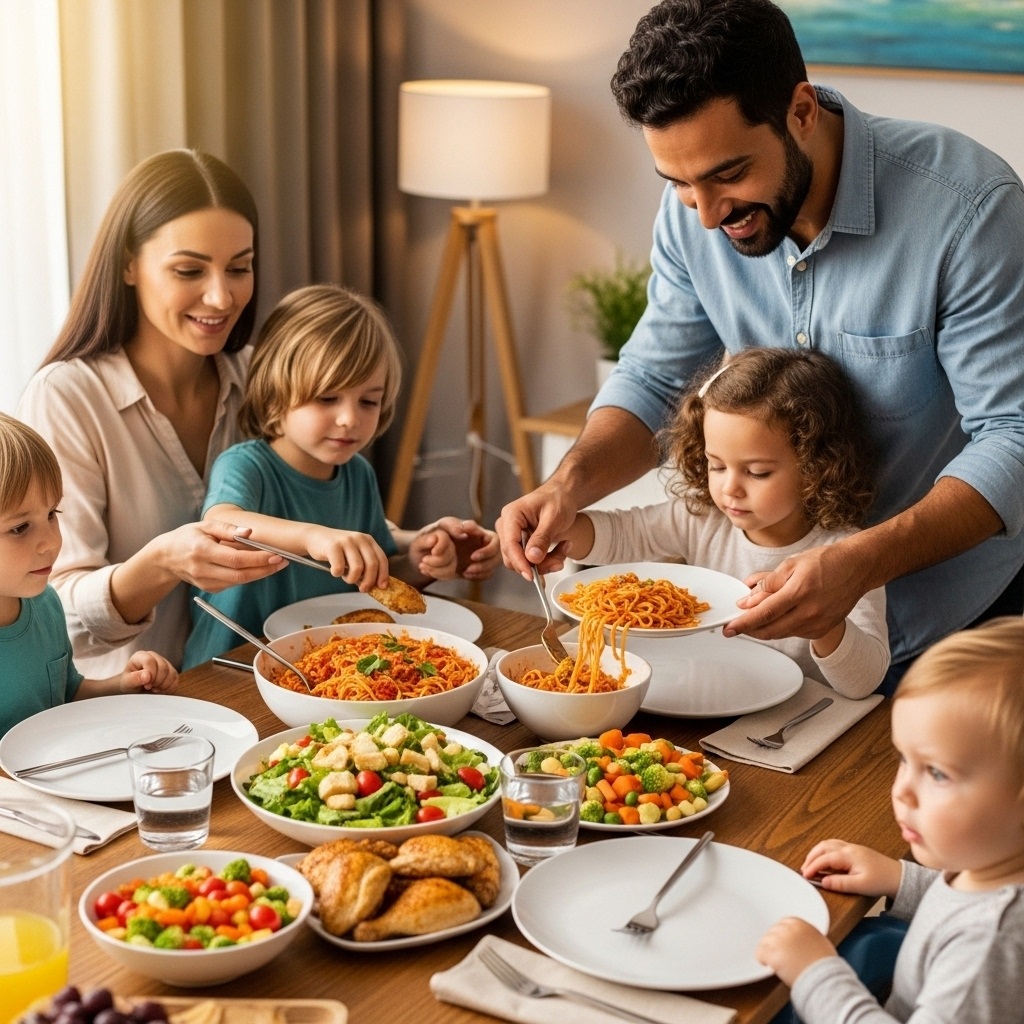
Kids are more interested in food they help prepare. Simple tasks like washing vegetables, stirring, or setting the table build confidence and excitement around meals.
Image Prompt: child helping parent in kitchen, stirring ingredients, family-friendly cooking scene.
Use Mealtime for Connection, Not Correction
Mealtimes aren’t the best moment for discipline. Focus on conversation, listening, and being present. This builds positive associations with family meals and encourages kids to look forward to them.
Make Weeknight Meals Work for Busy Families
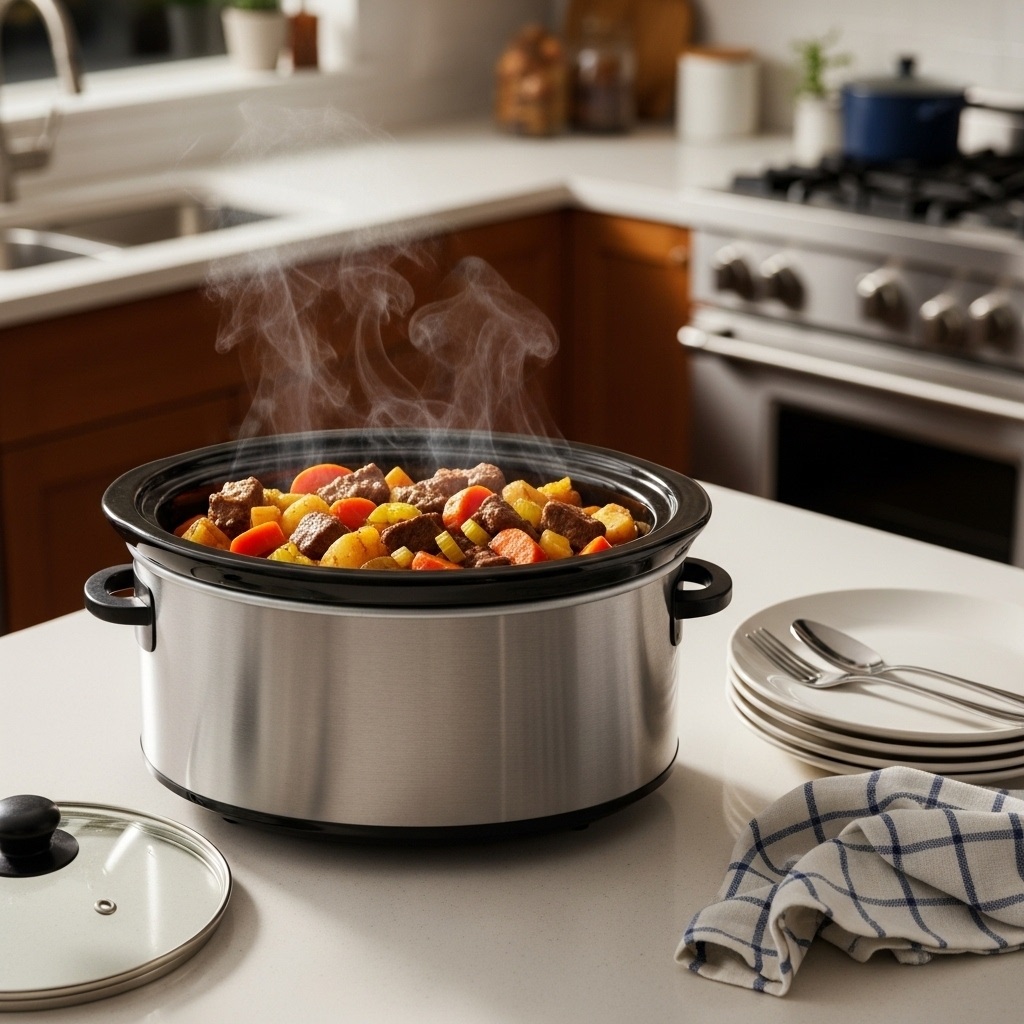
Not every meal needs to be homemade. Slow cookers, freezer meals, and leftovers are all valid options. The goal is shared time, not perfect food.
Create Simple Mealtime Rituals
Small rituals like lighting a candle, sharing one good thing from the day, or having a consistent seating arrangement add structure and warmth without extra effort.
Let Go of the “Perfect Family Dinner” Myth
Family meals will be messy, noisy, and sometimes chaotic—and that’s okay. What matters most is consistency and connection. Even imperfect meals strengthen family bonds over time.
Family meals don’t need to look a certain way to matter. With simple routines and realistic expectations, they become a comforting part of daily life that supports both connection and nourishment.