
Gentle Parenting: Raising Calm, Confident Kids Through Connection
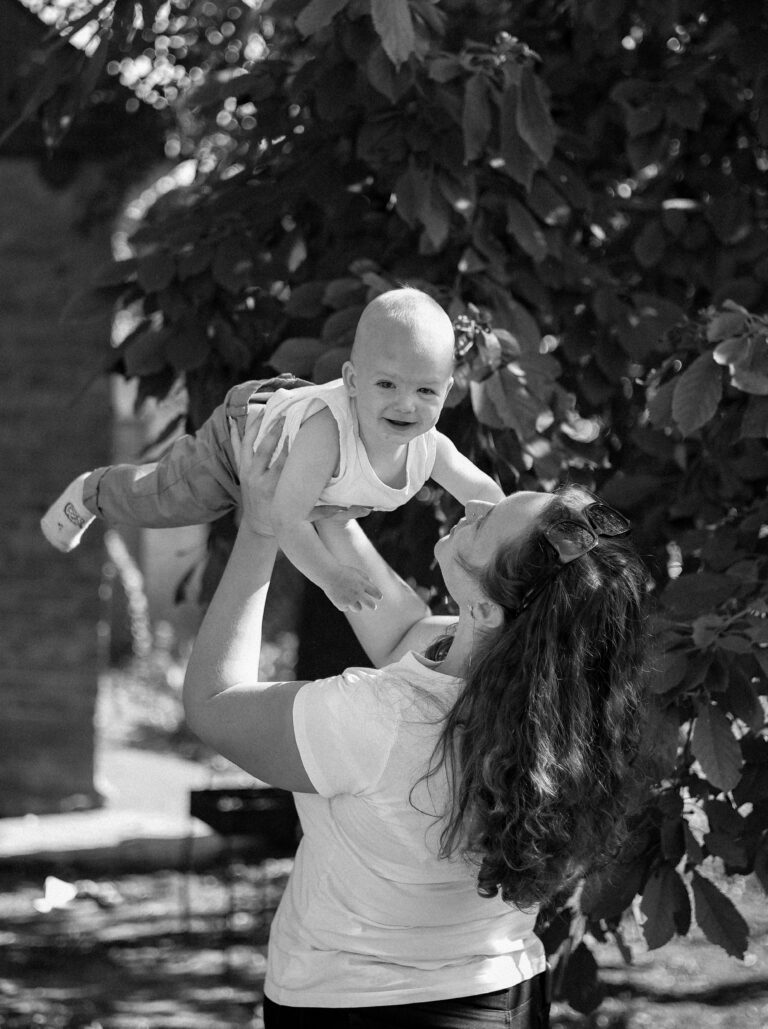
Gentle parenting is a nurturing approach that focuses on empathy, respect, and understanding rather than punishment or fear. It encourages connection between parent and child, helping kids feel safe, valued, and understood. When children feel secure, cooperation naturally increases, and everyday challenges become easier to navigate.

What Gentle Parenting Really Means
Gentle parenting doesn’t mean letting kids have their way. It means guiding them kindly while still holding firm boundaries. This approach teaches emotional skills instead of obedience out of fear. When you respond with patience and empathy, children learn how to regulate their emotions, solve problems, and communicate respectfully.
Understanding the Emotion Behind Behavior
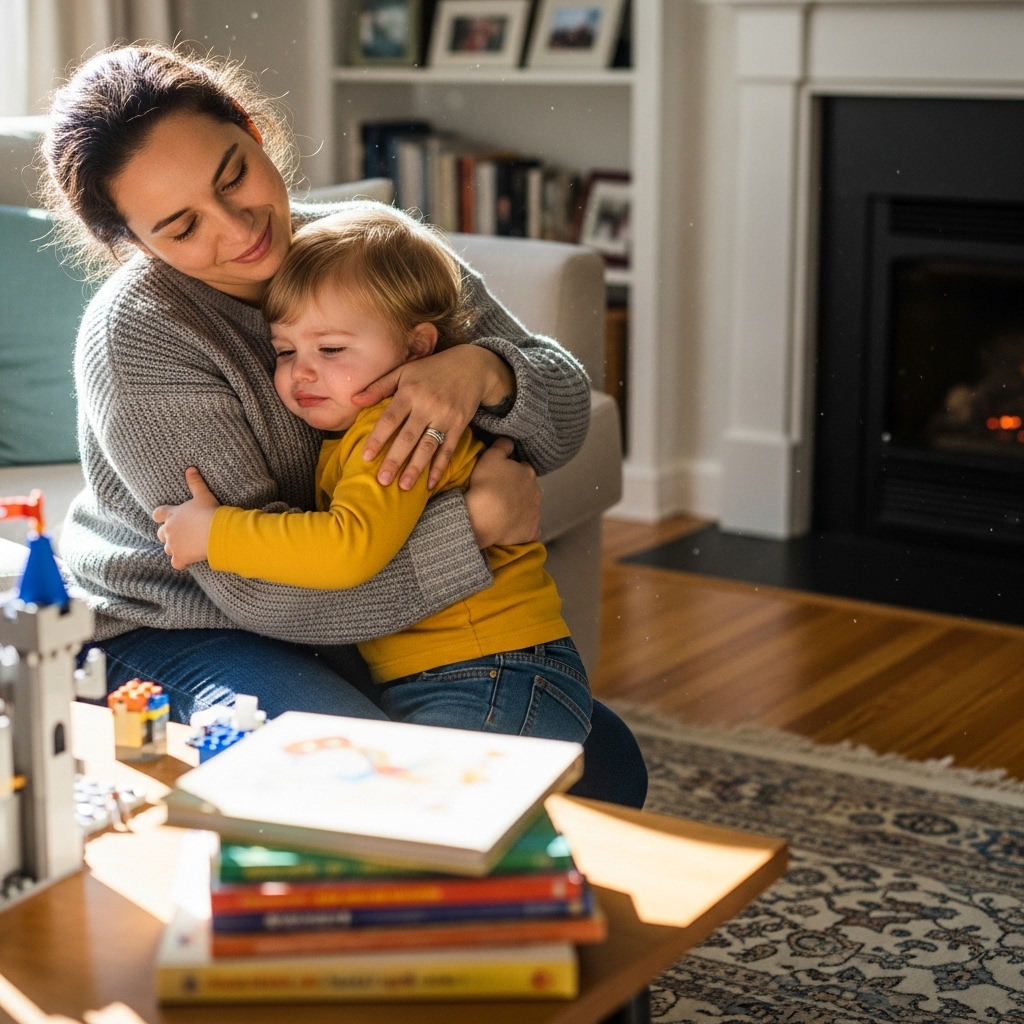
Most challenging behaviors stem from unmet needs or big feelings. A toddler who throws toys may be overwhelmed, tired, or seeking connection. Instead of immediate discipline, gentle parenting encourages you to identify the root cause. Validating their emotions—“You seem frustrated, I’m here to help”—helps your child calm down faster and builds trust.
Setting Boundaries with Kindness
Boundaries are essential, even in gentle parenting. The difference is how they’re enforced. Instead of shouting “Stop it!”, you might say, “I can’t let you hit. Let’s find another way to show your feelings.” This teaches children self-control while still honoring their emotional experience. Limits delivered calmly and consistently help children feel safe.
Modeling Calm and Respect
Children learn through imitation. When you speak softly, handle stress calmly, apologize, and show empathy, your child internalizes those behaviors. Modeling emotional regulation is one of the strongest tools in gentle parenting.
Connection First, Correction Second
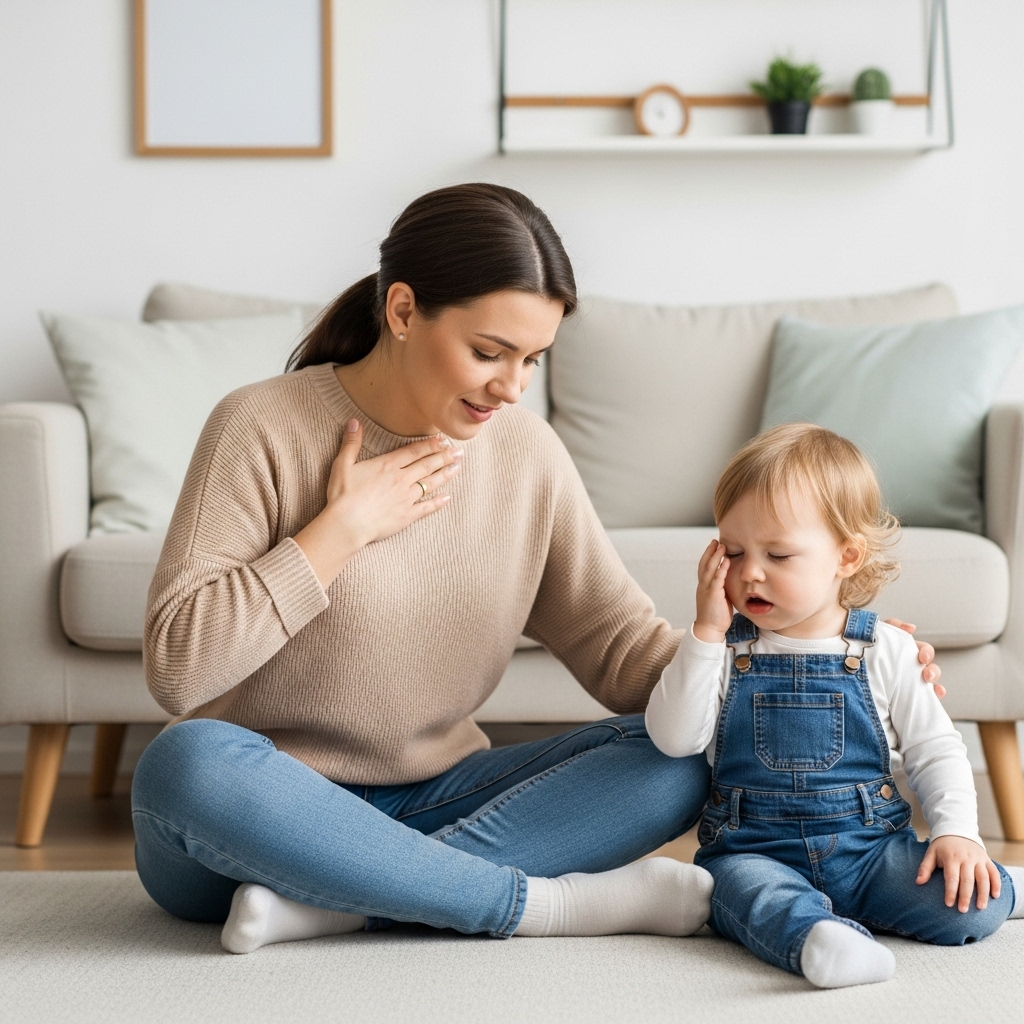
Before correcting behavior, reconnect emotionally. A hand on the shoulder, a gentle tone, or a quick cuddle can completely change how a child responds. When kids feel connected, they naturally follow guidance more willingly. This small shift can prevent power struggles and turn tough moments into opportunities for bonding.
Offering Choices to Encourage Independence
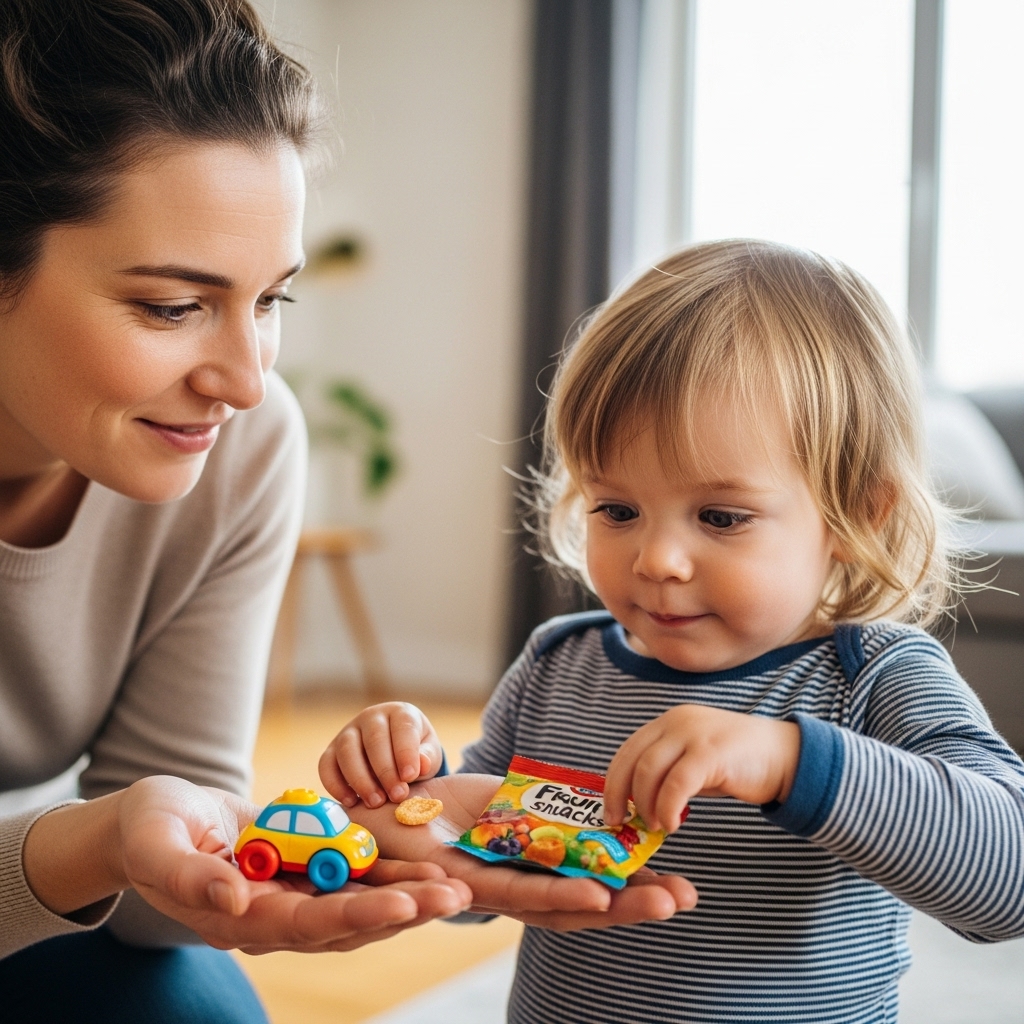
Giving simple choices helps kids feel capable and reduces resistance. Options like “Red cup or blue cup?” or “Shoes now or after five minutes?” allow children to feel in control while still following your guidance.
Repairing Moments When You Lose Patience
Even gentle parents get overwhelmed. What matters is repairing the moment afterward. A sincere apology—“I’m sorry I yelled, I was feeling stressed”—teaches kids that mistakes happen and relationships can be repaired. This builds emotional resilience and trust.
Encouraging Problem-Solving Skills
Instead of giving instant solutions, gentle parenting encourages children to help solve problems. Asking, “How can we fix this together?” builds confidence, cooperation, and critical thinking. Kids feel more responsible and capable when they’re involved.
Final Thoughts
Gentle parenting creates a calm, respectful home where children thrive emotionally and parents feel more connected. With empathy, boundaries, and consistent communication, this approach helps raise emotionally strong, confident kids—and makes parenting feel more peaceful and fulfilling.