
Kids Activities That Actually Keep Them Engaged (Without Screens or Stress)
Keeping kids busy doesn’t require expensive toys, elaborate setups, or constant entertainment. The best kids activities are simple, flexible, and encourage imagination while fitting into everyday life. Whether you’re at home, managing multiple kids, or trying to reduce screen time, these activity ideas help children stay engaged while giving parents breathing room.
Why Simple Activities Work Better for Kids
Children don’t need constant stimulation. In fact, open-ended activities help develop creativity, focus, problem-solving, and independence. When activities are simple and predictable, kids feel confident exploring on their own instead of relying on adults for direction.
1. Invitation-to-Play Setups
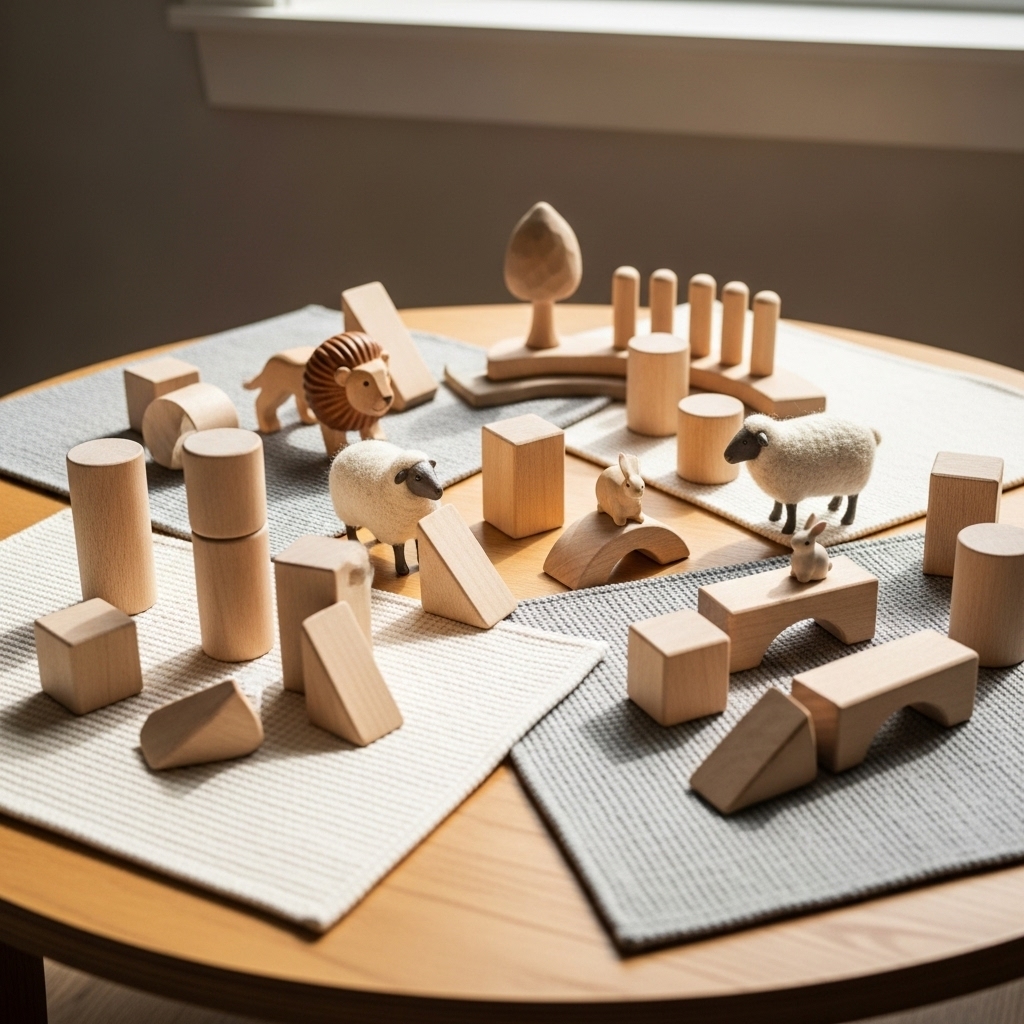
An invitation to play is a simple activity laid out ahead of time that encourages kids to jump in on their own. You set it up once, and they explore freely. Examples include blocks with toy animals, crayons with paper, or cups with water and spoons. These activities feel exciting because they look intentional, even though they take only minutes to prepare.
2. Everyday Household Activities as Play
Kids love copying adults. Turning daily tasks into activities builds skills and confidence. Sorting laundry by color, matching socks, wiping tables, or organizing pantry items become learning moments when presented as “special jobs.” These activities reduce boredom and help kids feel useful.
3. Independent Activity Bins
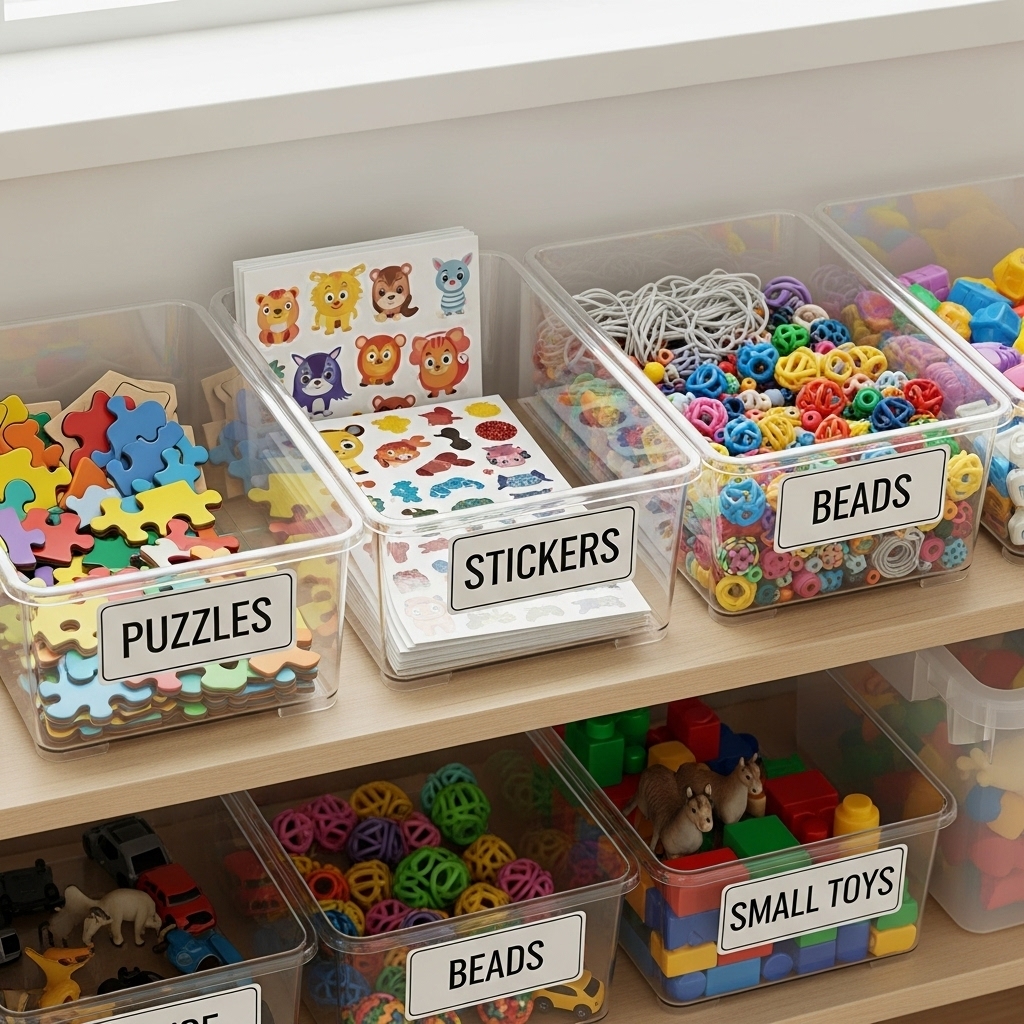
Create a few simple activity bins that kids can use independently. Rotate them weekly to keep interest high. Ideas include puzzles, stickers, threading beads, matching cards, or simple craft supplies. The key is that kids can use them without help, which builds independence and gives parents uninterrupted time.
4. No-Prep Creative Activities
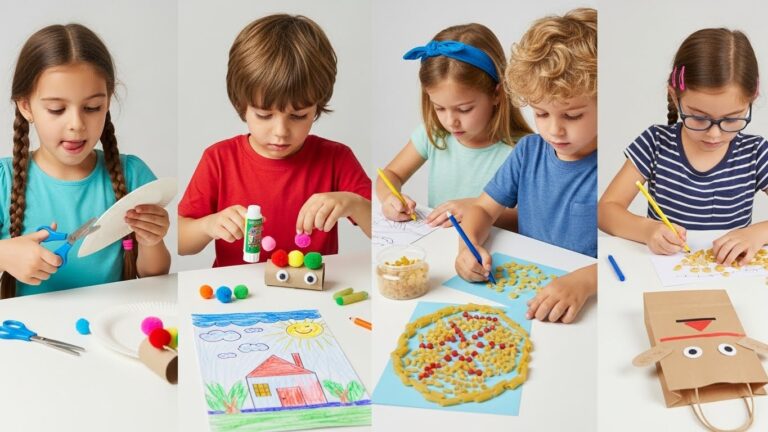
Creative play doesn’t need complex crafts. Simple materials spark imagination. Offer crayons and paper, chalk and sidewalk space, or recycled boxes for building. Avoid instructions and let kids lead. Open creativity builds confidence more than “perfect” crafts ever will.
5. Movement Activities for High-Energy Kids
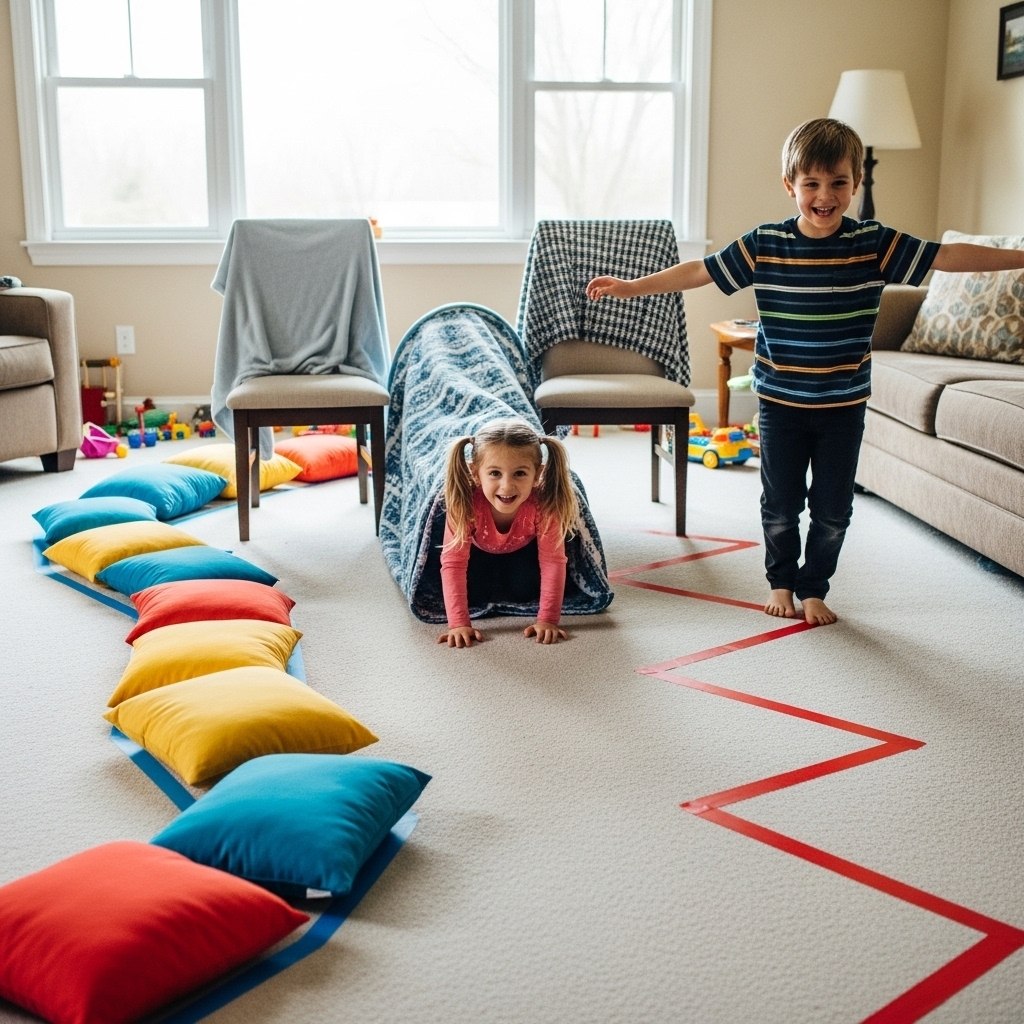
When kids are restless, movement is essential. Try simple indoor movement games like animal walks, balloon volleyball, dance breaks, or obstacle courses made with pillows and tape. Outdoor movement like jumping, climbing, or riding bikes helps regulate emotions and improves sleep.
6. Quiet Time Activities That Encourage Focus
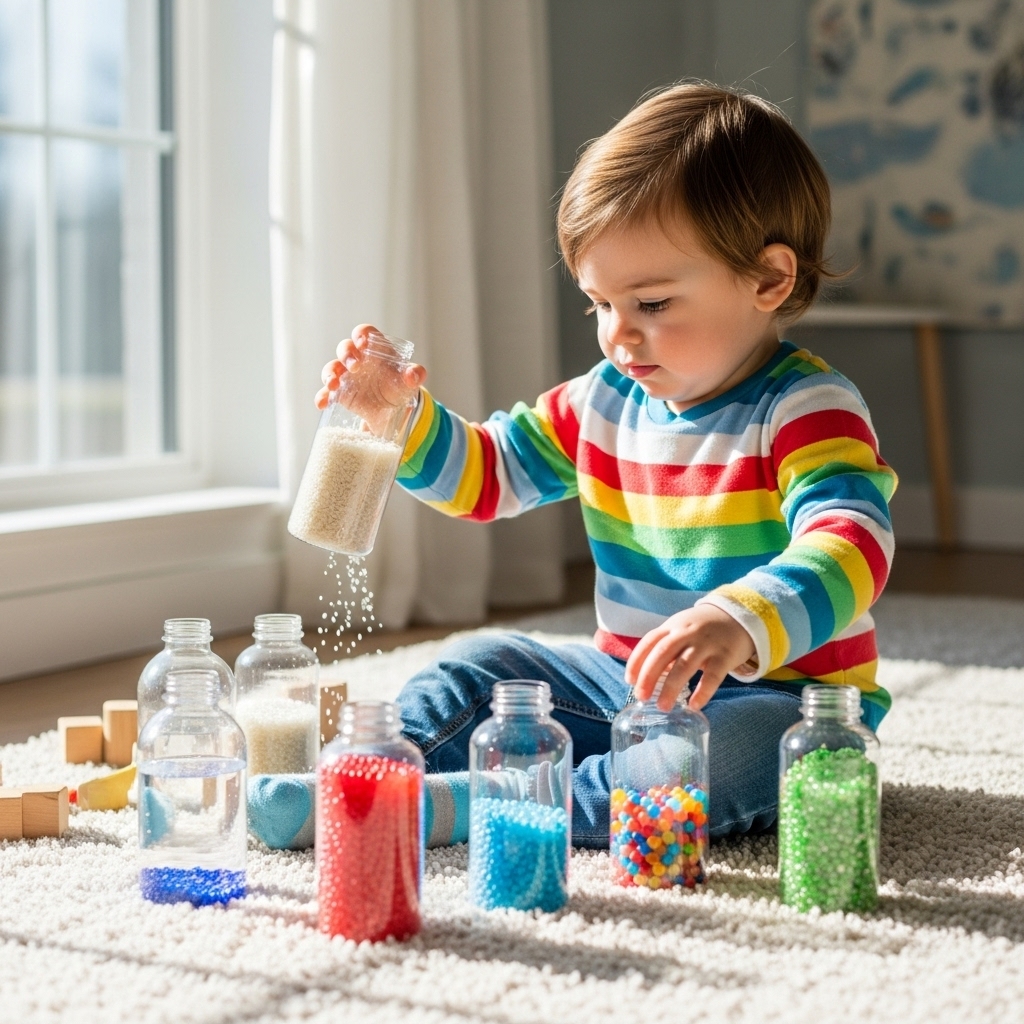
Quiet activities help kids reset and learn calm engagement. Books, magnet boards, sensory bottles, play dough, or simple matching games work well. Quiet time doesn’t have to mean silence—it means low stimulation and relaxed focus, which is especially helpful in the afternoon.
7. Sensory Play Without the Mess
Sensory play doesn’t need messy bins or hours of cleanup. Try dry sensory activities like rice in sealed bottles, textured fabric baskets, stress balls, or water painting with a brush on concrete. These activities soothe kids while keeping your space manageable.
8. Story-Based Activities
Extend books into activities. After reading a story, act it out, draw favorite characters, or recreate scenes using toys. This builds comprehension and imagination while making reading more interactive. Kids love bringing stories to life through play.
9. Screen-Free Boredom Busters
Instead of rushing to fix boredom, offer a small list of “boredom choices.” Options might include building something, drawing, reading, or playing outside. Boredom often leads to creativity once kids learn how to manage it independently.
10. Simple Outdoor Activities Kids Love
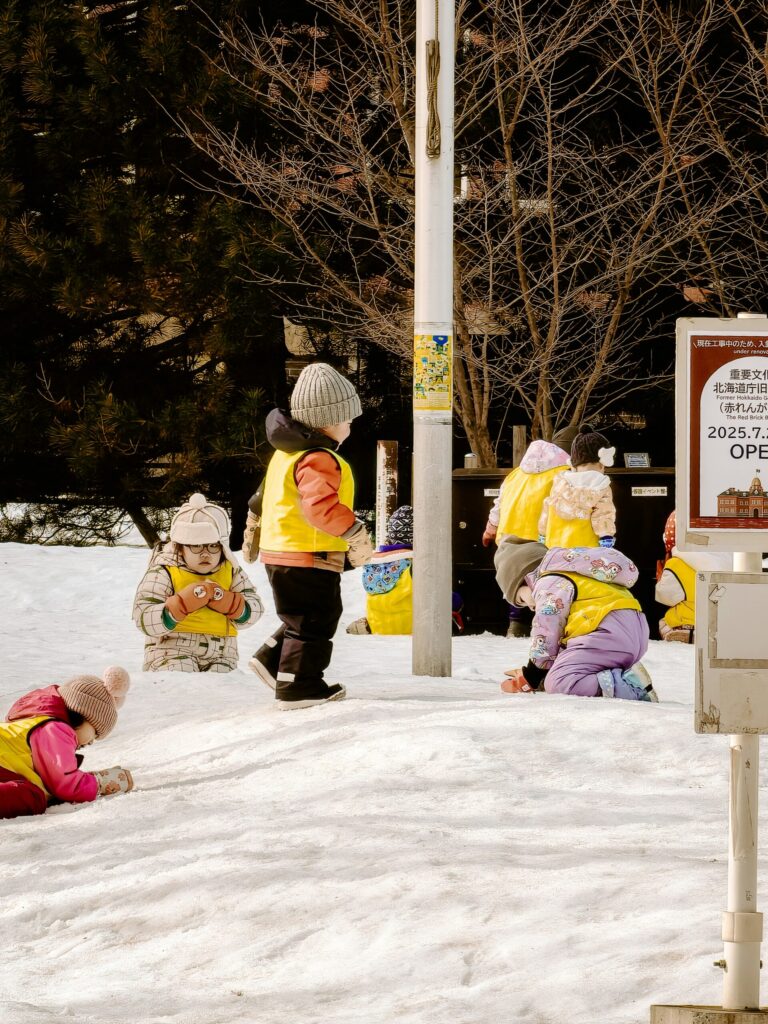
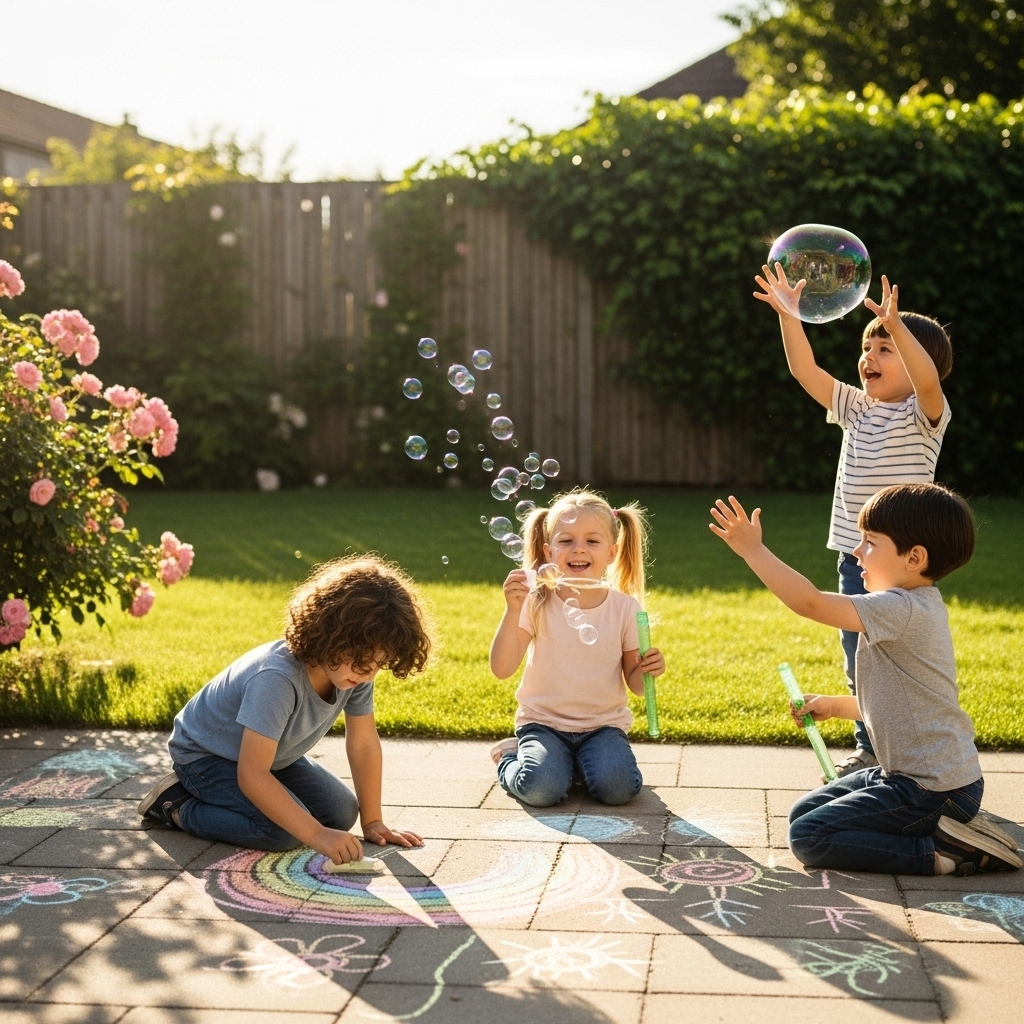
Outdoor play doesn’t need equipment. Nature walks, scavenger hunts, bubble play, chalk art, or watering plants provide sensory input and fresh air. Even short outdoor time can reset moods and energy levels.
11. Activities That Work for Mixed Ages
If you have multiple kids, choose activities everyone can join at their own level. Building blocks, pretend play, art supplies, or dance sessions work across age groups. Older kids naturally help younger ones, which builds patience and leadership.
12. Rotate Activities, Not Toys
You don’t need more toys—just better rotation. Store some activities away and reintroduce them later. Kids experience them as “new,” even though you didn’t buy anything. This keeps engagement high without clutter.