
Mom Budgeting: How to Manage Money With Kids Without Feeling Constantly Stressed
Budgeting as a mom is very different from budgeting before kids. Expenses change, priorities shift, and unexpected costs show up constantly. The goal isn’t perfection—it’s creating a flexible system that supports your family without making you feel guilty, restricted, or overwhelmed. These mom budgeting strategies focus on simplicity, consistency, and real-life situations families actually face.
Why Traditional Budgets Don’t Work Well for Moms
Many budgets fail because they’re too rigid. Kids get sick, clothes stop fitting overnight, school expenses pop up, and groceries fluctuate. A mom-friendly budget needs breathing room. Instead of strict rules, think in terms of intentional spending and weekly check-ins that help you stay aware without stress.
Start With a “Needs First” Budget
Before worrying about savings goals or extras, focus on covering the basics comfortably. Your core categories should include housing, utilities, groceries, transportation, childcare, and basic kid expenses. Once these are handled, you can decide how to divide what’s left. Budgeting works best when essentials feel secure.

Use Weekly Budget Check-Ins Instead of Monthly Stress
Instead of stressing over money once a month, do a quick weekly budget reset. Spend 10 minutes reviewing what you spent, what’s coming up, and what needs adjusting. Weekly check-ins prevent surprises and help you catch overspending early without guilt.
Create Flexible Categories for Kids
Kids’ expenses don’t fit neatly into one category. Create a flexible “Kids” budget that covers clothes, school items, activities, and random needs. This prevents constant reshuffling of your budget and makes spending feel more realistic and controlled.
Plan Groceries With a “Spend-to-Zero” Mindset
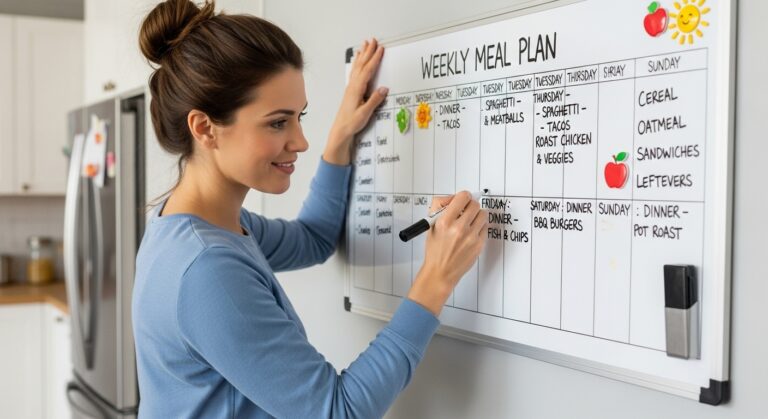
Groceries are one of the biggest budget stressors for moms. Instead of guessing, set a weekly grocery amount and plan meals to use it fully. Check what you already have before shopping and build meals around those items. Using what’s already in your pantry is one of the fastest ways to save money.
Separate Fixed Bills From Flexible Spending
Make budgeting easier by separating fixed bills (rent, utilities, insurance) from flexible spending (groceries, kids, eating out). Fixed bills don’t change much, so once they’re covered, you can focus your energy on managing flexible categories that need attention.
Use Cash or Digital Envelopes for Overspending Areas
If you tend to overspend on groceries, takeout, or kids’ items, use cash or digital envelopes. Once that category is empty, spending stops. This method removes decision fatigue and helps you stay aware without constantly checking your bank balance.

Build a Small Buffer Fund (Not a Huge Emergency Fund Yet)
Before worrying about big savings goals, build a small buffer—$300 to $500—to cover minor emergencies like school fees, medicine, or car issues. This prevents panic spending and keeps you from relying on credit cards for everyday surprises.
Budget for Joy on Purpose
A budget that includes nothing fun will never last. Set aside a small amount for treats, coffee, family outings, or takeout nights. Enjoying money intentionally prevents burnout and helps you stick to your plan long-term.
Involve Kids in Age-Appropriate Ways
Teaching kids about money doesn’t require lectures. Let younger kids help compare prices or plan meals. Older kids can understand allowance, saving, and making choices. When kids see how money works, they become more mindful and cooperative.

Avoid Comparing Your Budget to Other Families
Every family’s financial situation is different. Social media can create pressure to spend more than necessary. Focus on what works for your household, not what others appear to be doing. Financial peace comes from alignment, not comparison.
Do a Monthly “Money Reset”
Once a month, review what worked, what didn’t, and where money felt tight. Adjust categories instead of blaming yourself. Budgeting is a skill that improves with practice, not punishment.
Final Thoughts
Mom budgeting isn’t about controlling every dollar—it’s about creating clarity, reducing stress, and supporting your family’s needs with confidence. When your budget is flexible, realistic, and reviewed regularly, money becomes a tool instead of a source of anxiety. Progress matters more than perfection.