
Parenting Hacks That Actually Work for Busy Families
Parenting can feel overwhelming when every day is packed with responsibilities, emotions, and constant decision-making. The good news is that small, smart parenting hacks can reduce stress, save time, and help your household run more smoothly. These practical, real-life parenting hacks focus on routines, behavior, and daily organization that truly work for busy families.
Create Fewer Rules, Not More
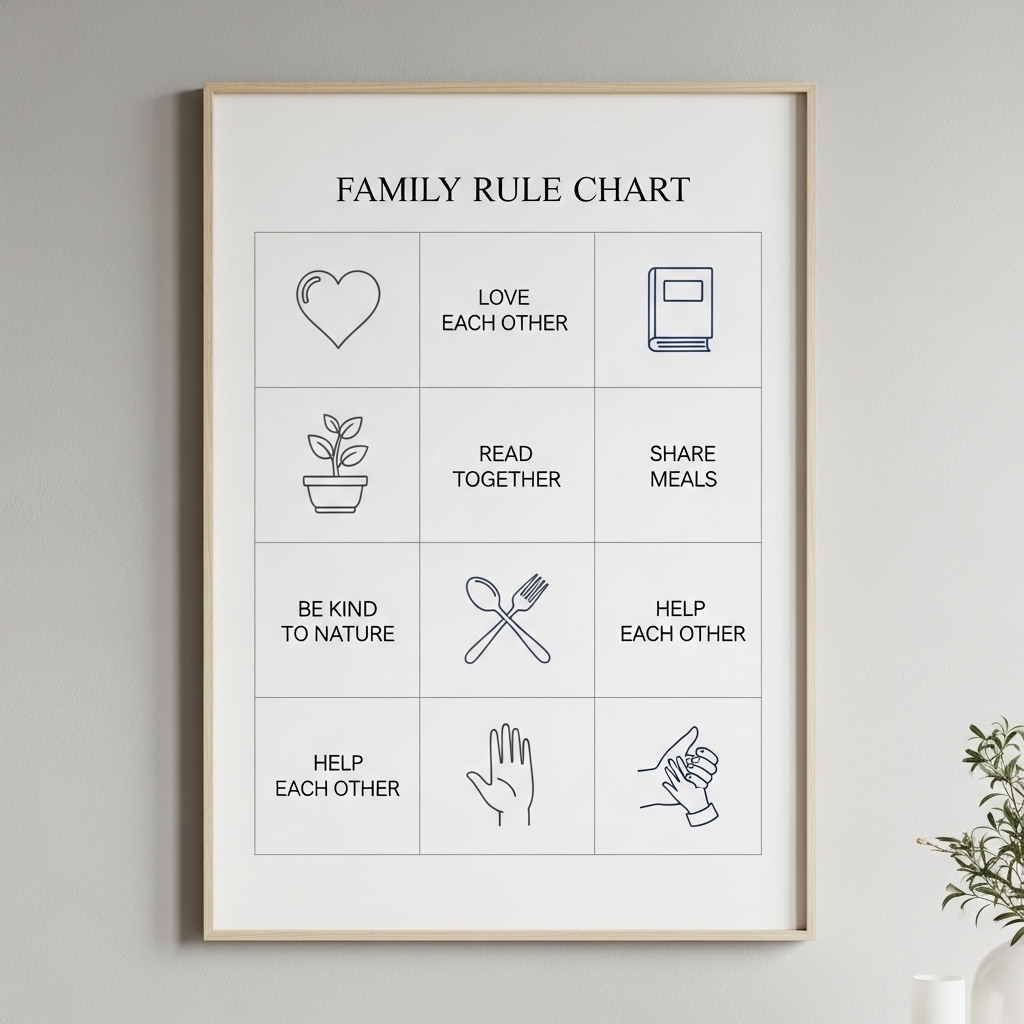
Too many rules overwhelm both parents and kids. Instead of managing endless instructions, focus on 3–5 core family rules like “be kind,” “use inside voices,” or “clean up after yourself.” Fewer rules are easier to enforce and help kids understand expectations clearly.
Use Visual Schedules for Smoother Days
Kids respond better to visuals than verbal reminders. A simple visual schedule showing morning, after-school, and bedtime routines reduces nagging and power struggles. Children feel more secure when they know what comes next, especially toddlers and preschoolers.
Prepare for Transitions Before They Happen
Transitions are often where meltdowns begin. Give warnings like “five more minutes” before switching activities. Use timers or songs to make transitions predictable and fun. This simple hack dramatically reduces resistance and frustration.
Keep a “Calm Down Toolkit” Ready
Instead of reacting during emotional moments, prepare ahead. A calm-down toolkit can include stress balls, soft toys, sensory items, breathing cards, or drawing supplies. When emotions run high, guide your child to the toolkit rather than disciplining immediately.

Simplify Decision-Making With Limited Choices
Too many choices overwhelm kids. Instead of asking open-ended questions, offer two options: “Red shirt or blue shirt?” or “Apple or banana?” This gives kids independence while keeping control in your hands and reducing daily battles.
Batch Household Tasks to Save Energy
Instead of cleaning constantly, batch tasks. Do laundry on set days, prep meals in advance, and schedule toy clean-ups once daily. This reduces mental load and keeps your day from feeling scattered.
Make Bedtime Easier With a Predictable Wind-Down Routine
A consistent bedtime routine signals to your child’s brain that sleep is coming. Keep it simple: bath, pajamas, story, lights off. Avoid overstimulation before bed and stick to the same order every night.

Use “Connection Before Correction”
Before correcting behavior, connect emotionally. Get down to your child’s level, acknowledge feelings, then guide behavior. Kids listen better when they feel understood, not judged. This approach builds trust and long-term cooperation.
Store Toys by Category, Not by Room
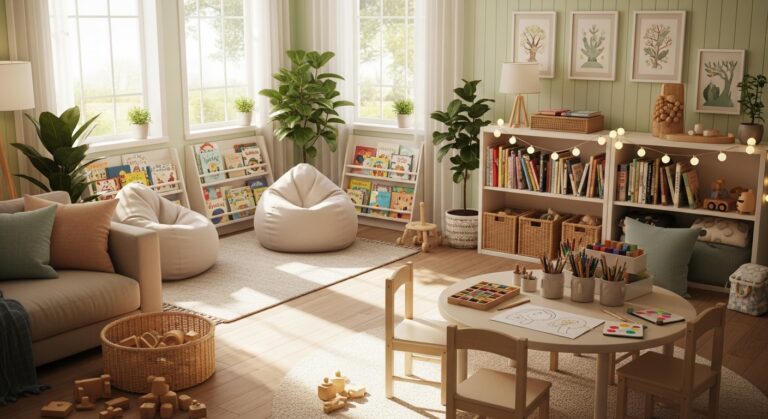
Instead of organizing toys room by room, organize them by type: blocks together, cars together, dolls together. Fewer toy options available at once reduce mess and increase focused play. Rotate toys weekly to keep interest high.
Image Prompt: labeled toy bins neatly organized on open shelves in a bright playroom.
Create One Family Command Center
Designate one space for schedules, school papers, bills, and reminders. This keeps important information from getting lost and helps everyone stay organized without constant searching.
Set Up “Reset Moments” Instead of Punishments
Instead of time-outs, try reset moments. Guide your child to pause, breathe, and reset emotionally before rejoining activities. This teaches self-regulation rather than fear or shame.
Keep a Parent Survival Station
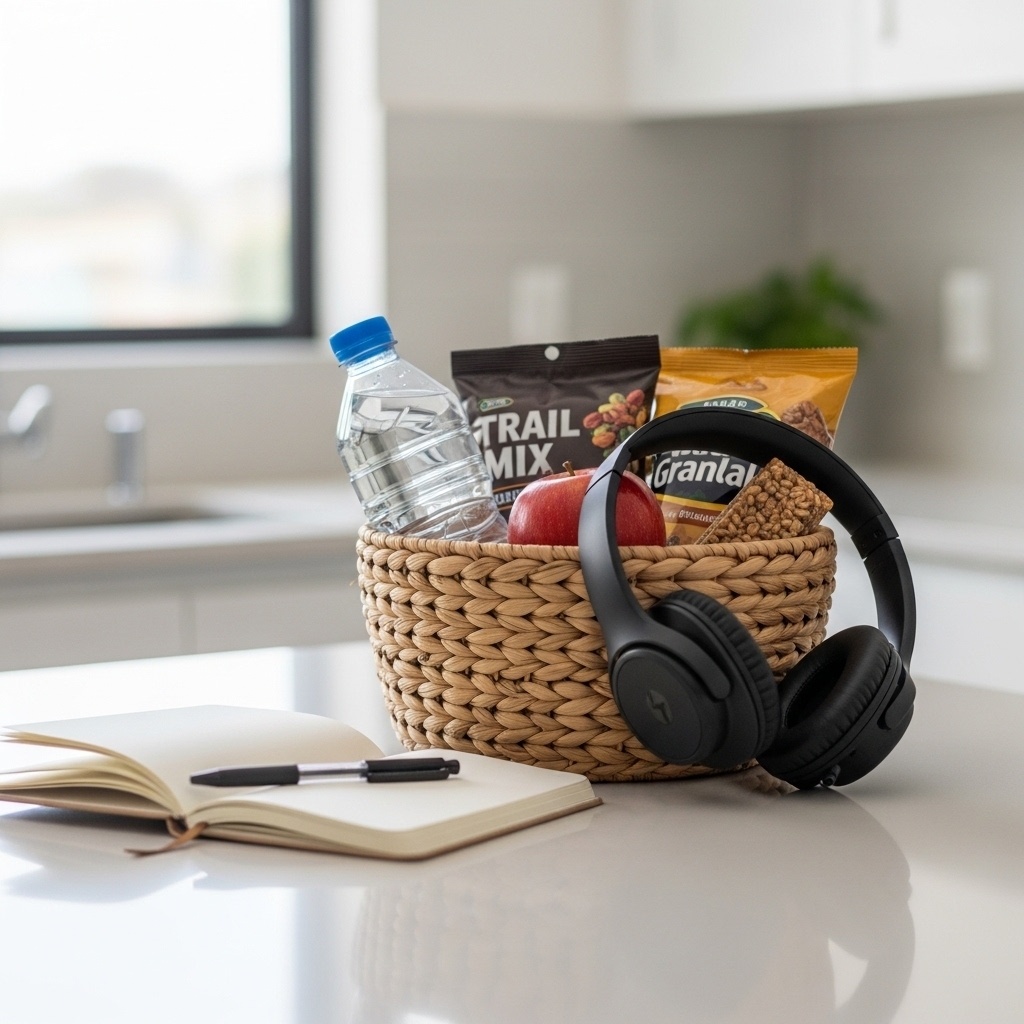
Parenting is easier when your own needs are met. Create a small survival station with water, snacks, lip balm, chargers, and reminders to pause. Supporting yourself makes you a calmer, more patient parent.