

Toddler Feeding Help: How to Handle Picky Eating Without Mealtime Stress
Feeding a toddler can feel confusing and frustrating, especially when preferences change daily and once-loved foods are suddenly refused. Toddler feeding help focuses on reducing pressure, building healthy habits, and creating positive mealtime experiences instead of forcing bites or worrying over every meal.
Understand That Picky Eating Is Normal
Toddlers are learning independence, and food refusal is part of that stage. Appetite changes, slow eating, and saying “no” to meals are developmentally normal and not a sign of poor parenting.
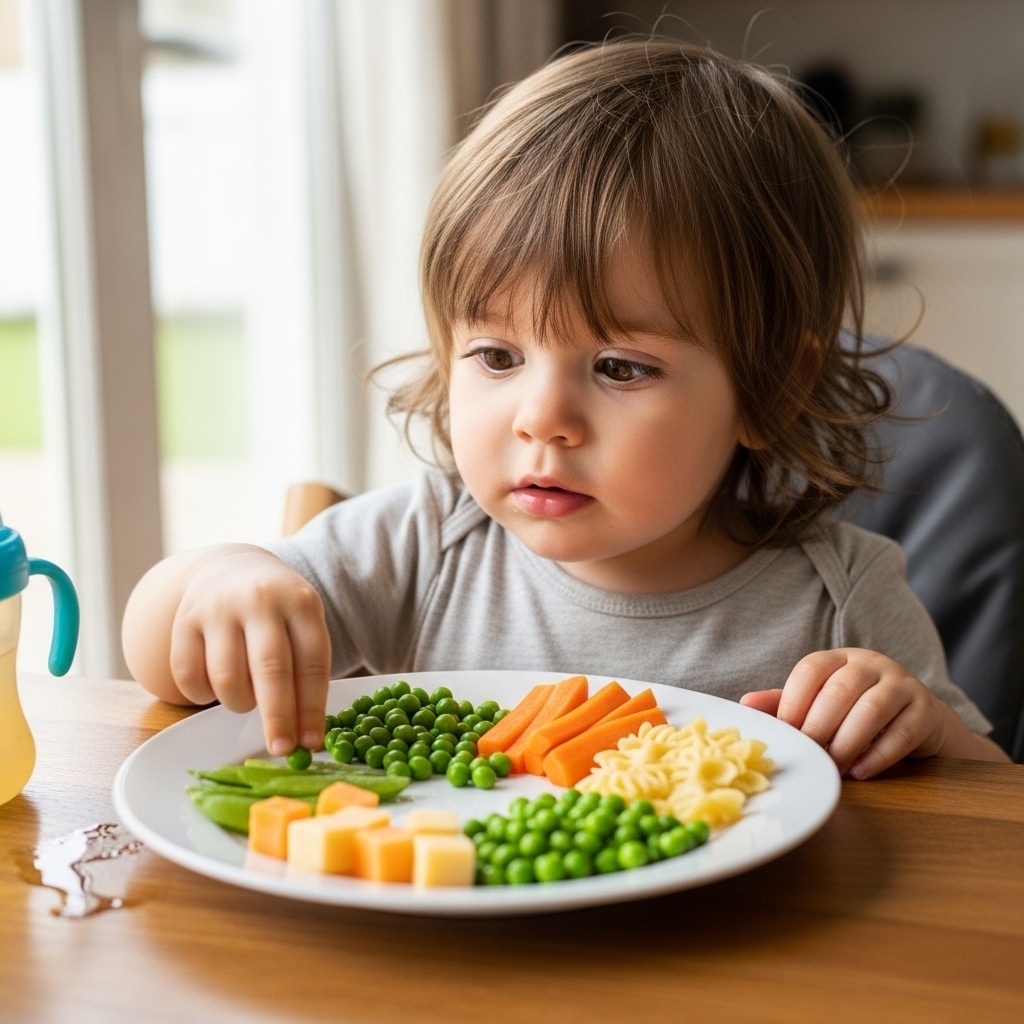
Focus on Routine, Not Quantity
Offering meals and snacks at regular times helps toddlers learn hunger and fullness cues. Trust that over time, they will eat what their body needs even if one meal is barely touched.
Serve Balanced Meals Without Pressure
Aim to include a variety of food groups across the day, not in every bite. Pressuring toddlers to eat often leads to more resistance and negative associations with food.
Always Include a Safe Food
A safe food is something your toddler usually accepts. Including one familiar item at meals ensures they don’t feel overwhelmed and helps reduce mealtime anxiety.
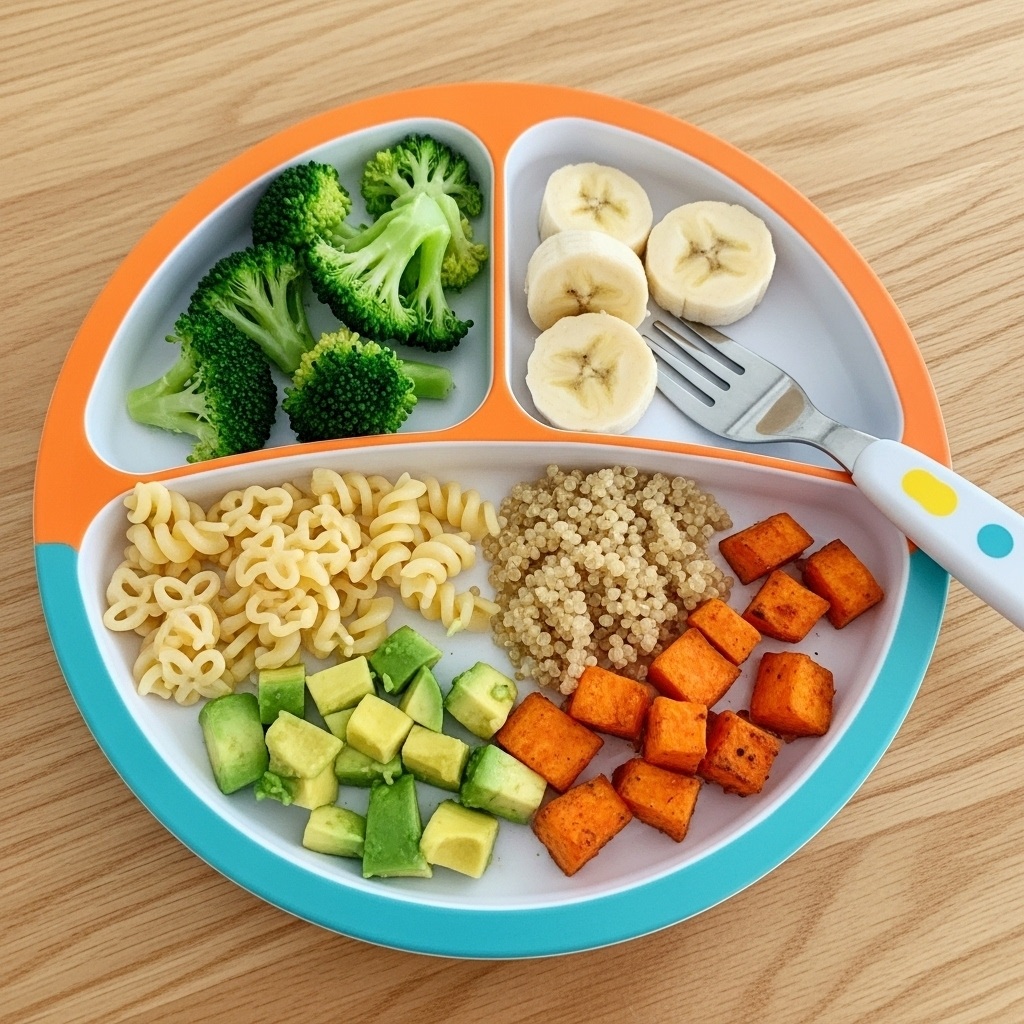
Let Toddlers Decide How Much to Eat
Parents choose what and when food is offered, and toddlers choose how much to eat. This division of responsibility supports healthy eating habits and body awareness.
Expect Mess and Slow Eating
Messy meals are part of learning. Touching, squishing, and playing with food helps toddlers explore textures and flavors. Patience during meals builds long-term success.
Avoid Short-Order Cooking
Preparing separate meals for toddlers increases picky habits. Instead, offer modified versions of family meals whenever possible to encourage variety and shared experiences.
Offer New Foods Repeatedly
Toddlers may need many exposures before accepting a new food. Seeing, touching, and smelling food counts as progress, even without tasting.
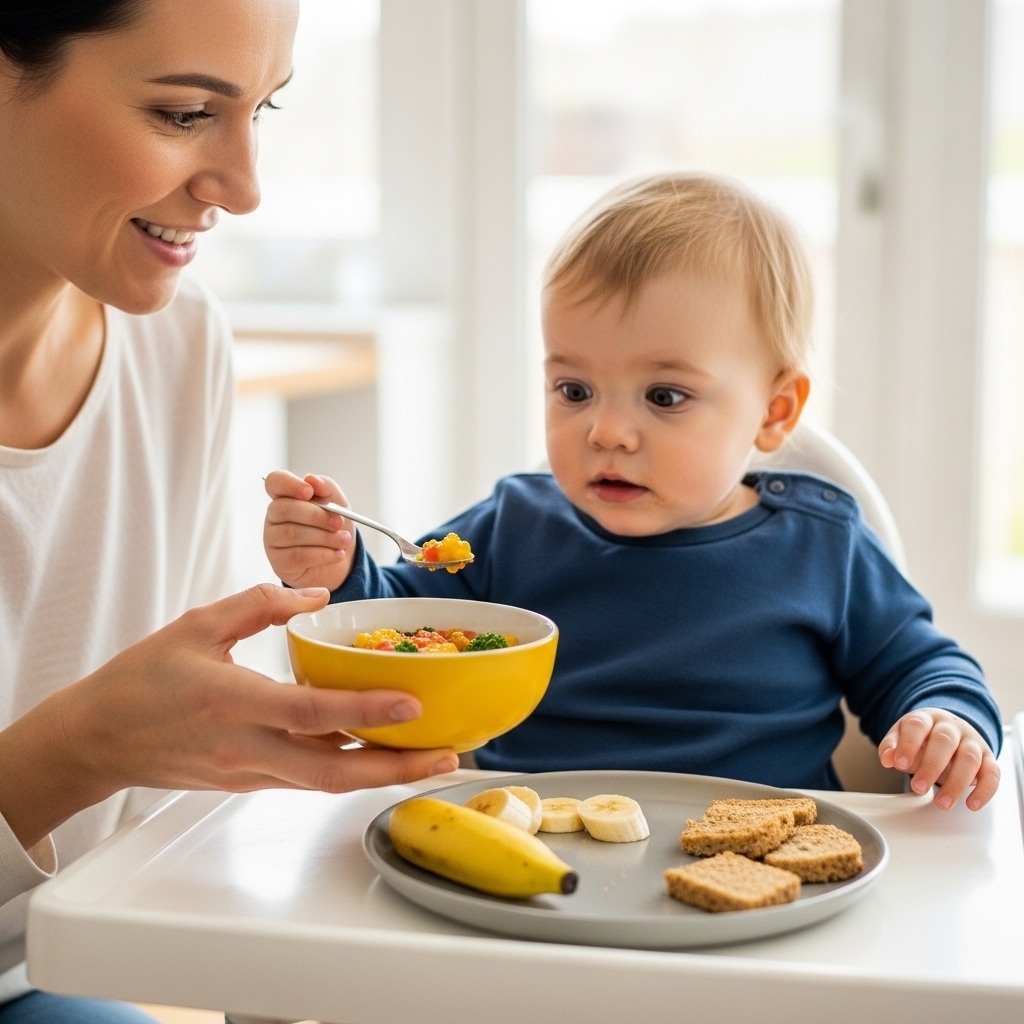
Create a Calm Mealtime Environment
Limit distractions like screens and toys during meals. A calm environment helps toddlers focus on eating and listening to hunger cues.
Model Healthy Eating Habits
Toddlers learn by watching. Eating together and showing enjoyment of different foods encourages curiosity and imitation.
Use Neutral Language Around Food
Avoid labeling foods as “good” or “bad.” Neutral language supports a healthy relationship with food and reduces pressure.
Respect Appetite Changes During Growth Phases
Growth spurts and activity levels affect hunger. Some days toddlers eat more, other days less. Trust these natural fluctuations.
Celebrate Effort, Not Eating
Praise sitting at the table, trying new foods, or staying engaged—not how much was eaten. This shifts focus from performance to experience.

Toddler feeding doesn’t have to be a battle. With patience, consistency, and realistic expectations, mealtimes can become calmer and more enjoyable for both parents and children.