

Toddler Feeding Help: Realistic Ways to Encourage Better Eating Without Battles
Feeding a toddler can quickly become one of the most stressful parts of parenting. One day they eat everything, the next day they survive on air and crackers. This phase is normal, but with the right approach, you can reduce mealtime stress and gently guide your toddler toward healthier eating habits—without force, pressure, or power struggles.
Understanding Toddler Eating Behavior
Toddlers are learning independence, and food is one of the easiest ways for them to express control. Appetite changes, food refusal, and picky phases are all developmentally normal. When parents understand this, mealtimes feel less personal and more manageable.
Create a Predictable Meal Routine
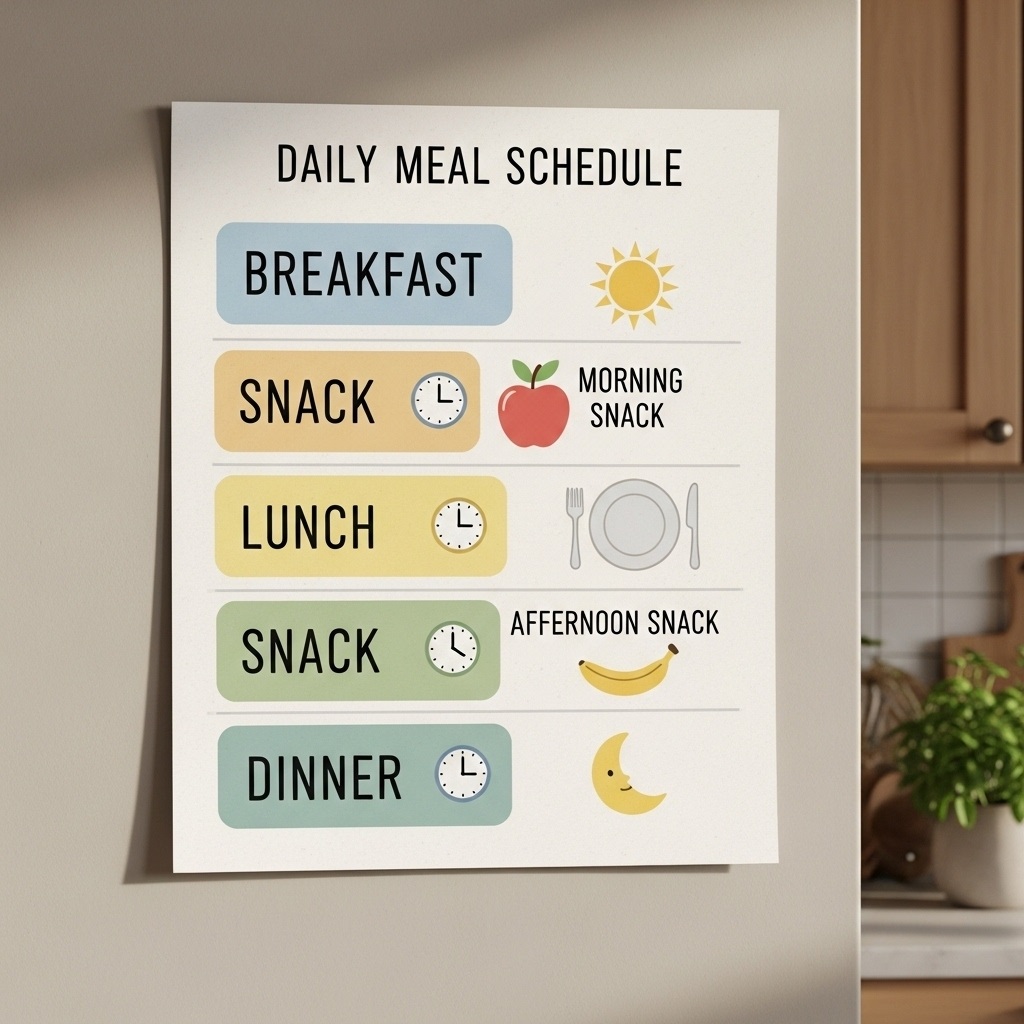
Toddlers feel safest when they know what to expect. Serving meals and snacks at roughly the same times each day helps regulate hunger and prevents constant grazing. When toddlers come to the table hungry—but not overly hungry—they are more open to eating what’s offered.
Offer Balanced Plates Without Pressure
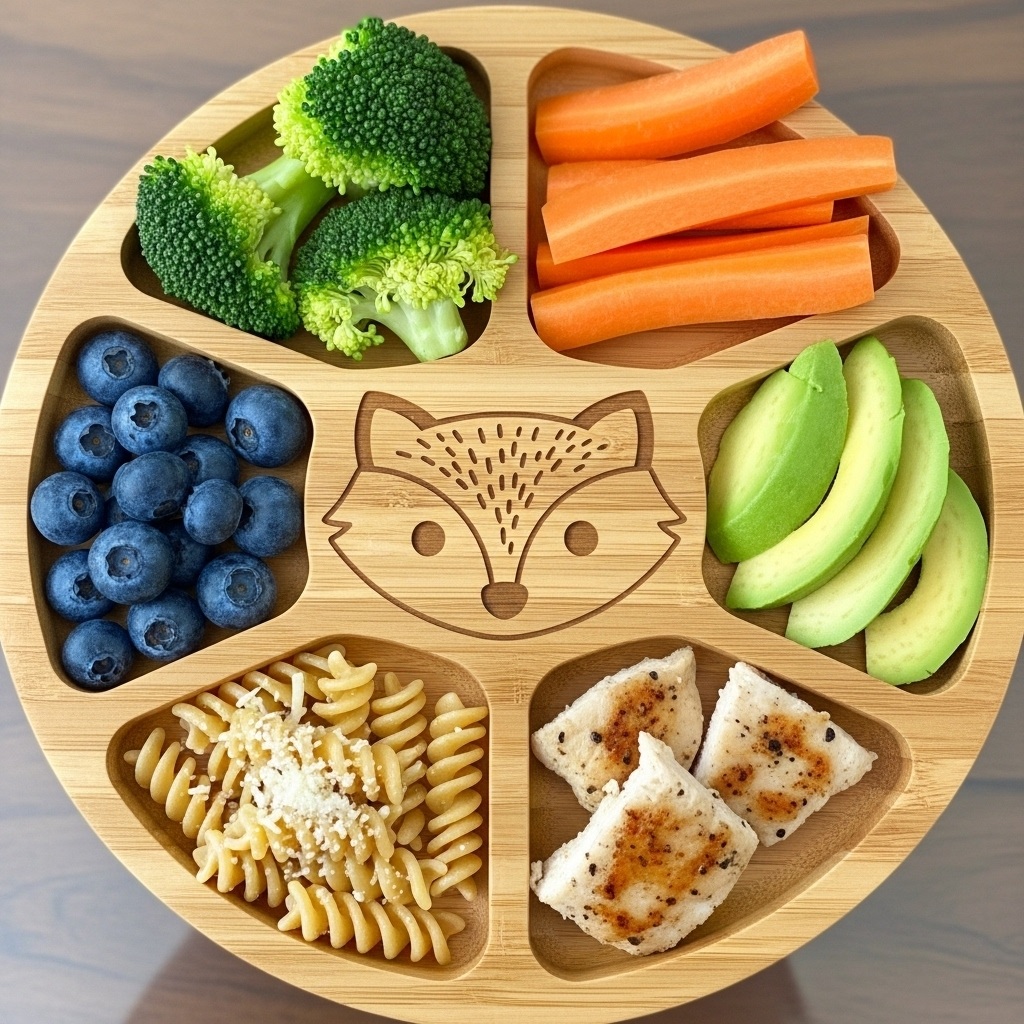
Serve a mix of foods at each meal: one protein, one carbohydrate, one fruit or vegetable, and one familiar “safe” food your toddler usually eats. This ensures they always have something to eat while being gently exposed to new foods. Avoid pressuring them to take bites; exposure alone builds acceptance over time.
Keep Portions Small and Toddler-Friendly
Large portions can overwhelm toddlers and cause immediate refusal. Start with very small amounts and let your child ask for more if they’re still hungry. This encourages listening to hunger cues and reduces wasted food.
Limit Snacking Between Meals
Constant snacking reduces appetite at mealtime. Stick to planned snacks and offer water between meals instead of food. When toddlers arrive at the table with a healthy appetite, they’re more likely to eat and try new foods.
Make Mealtimes Calm and Screen-Free
Screens distract toddlers from their hunger cues and can create long-term feeding issues. A calm, screen-free environment allows toddlers to focus on food, textures, and family interaction. Even short, peaceful meals help build positive associations with eating.
Let Toddlers Explore Food With Their Senses
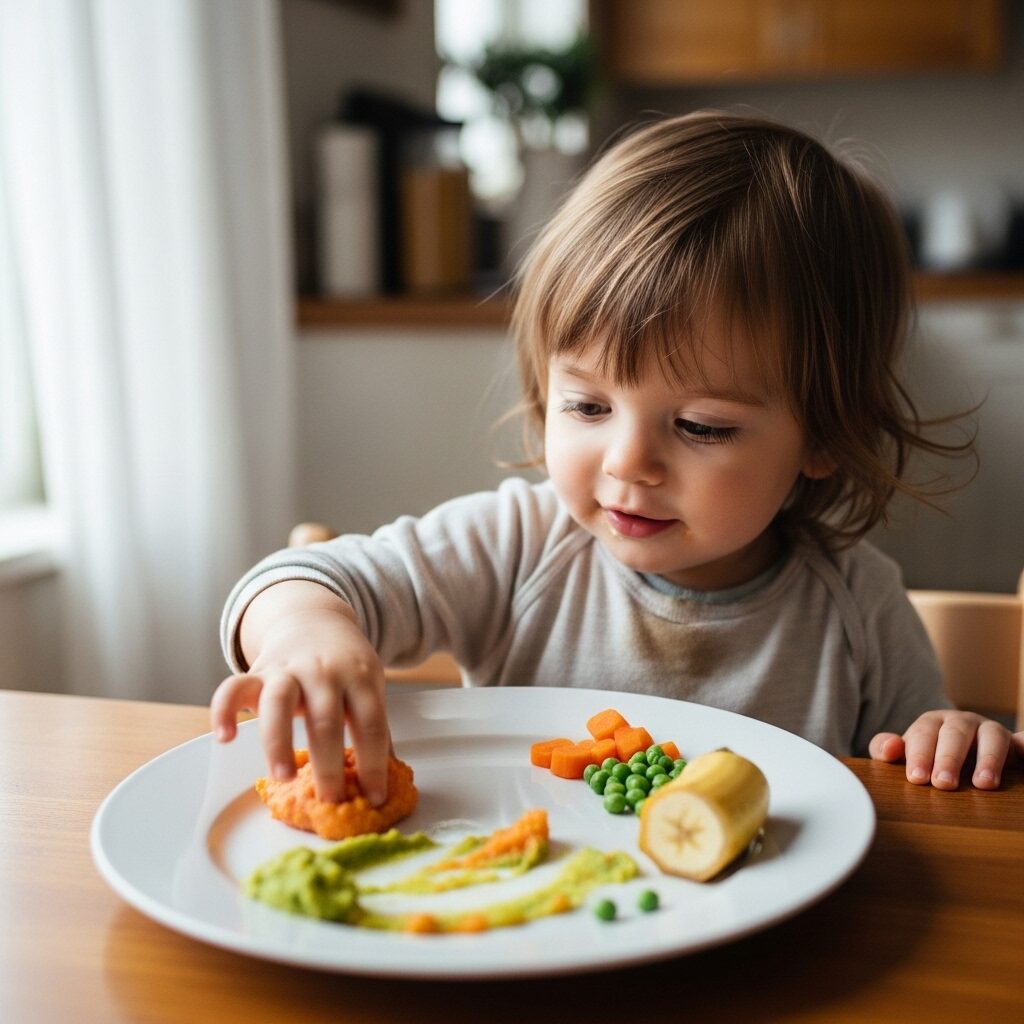
Touching, smelling, licking, or even playing with food is part of learning. Messy eating isn’t misbehavior—it’s exploration. Allowing toddlers to interact with food builds familiarity and reduces fear of new textures.
Model the Eating Habits You Want to See
Toddlers copy what they see. When you eat vegetables, sit at the table, and enjoy meals calmly, your child learns that eating is a normal and enjoyable part of daily life. Family meals, even simple ones, make a big difference.
Avoid Using Food as a Reward or Punishment
Saying “eat this and you’ll get dessert” teaches toddlers that some foods are bad and others are special rewards. Instead, serve dessert occasionally alongside meals or as part of a snack. This removes emotional pressure and builds a healthier relationship with food.
Be Patient With New Foods
It can take many exposures before a toddler accepts a new food. Keep offering it in different forms without pressure. A food refused today might be accepted weeks later. Consistency matters more than immediate results.
Trust Your Toddler’s Appetite
Healthy toddlers won’t starve themselves. Some days they eat more, other days less. Looking at intake over a week—not a single meal—gives a better picture of nutrition. Trusting your child reduces stress for everyone.
Toddler feeding doesn’t need to be a daily battle. With routine, patience, and a calm approach, mealtimes can become more peaceful and supportive, helping your toddler develop lifelong healthy eating habits.