

Toddler Feeding Help: Simple Strategies to Reduce Mealtime Stress and Encourage Healthy Eating
Feeding a toddler can feel like a daily battle—one minute they love a food, the next minute they refuse it. Toddlers are naturally picky, independent, and unpredictable, but with the right strategies, mealtimes can become calmer, healthier, and more enjoyable for everyone. These practical tips make feeding easier and help your toddler build a positive relationship with food.
Understand Normal Toddler Eating Behavior
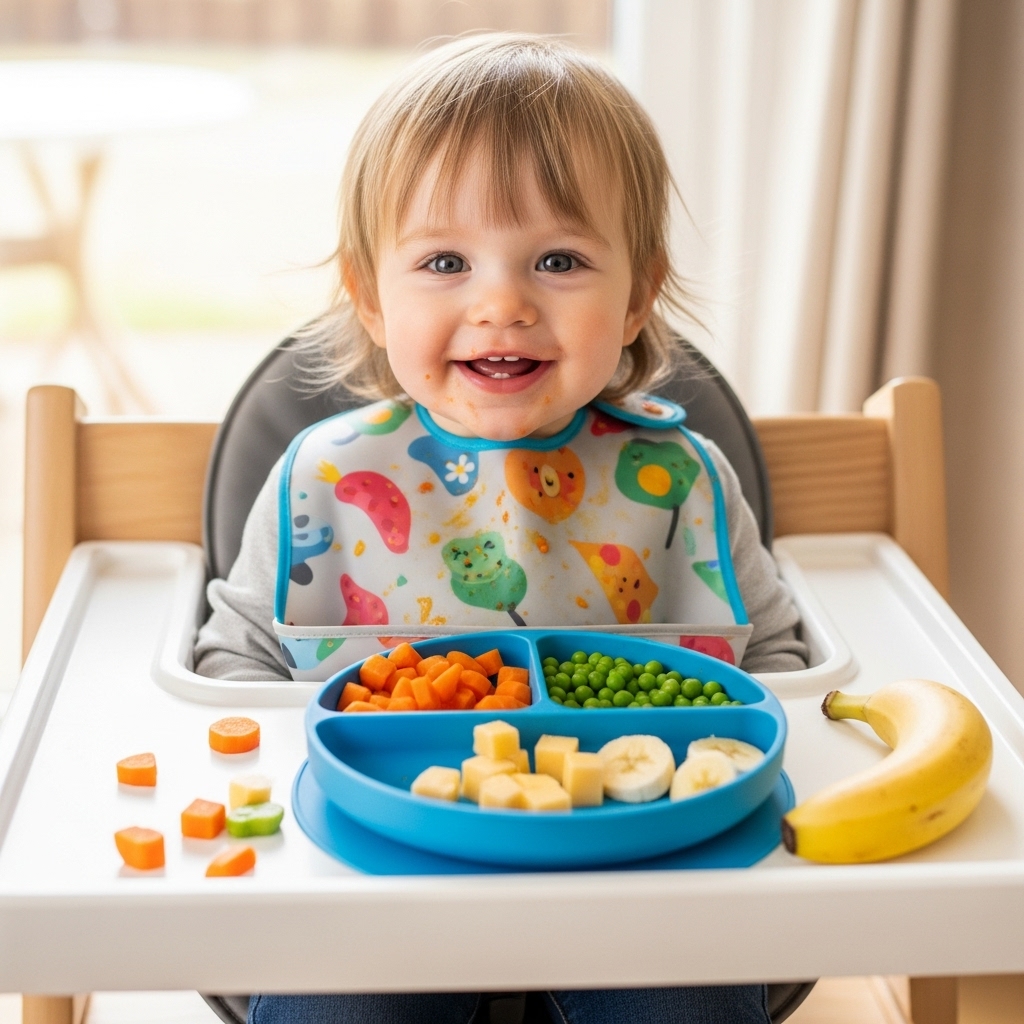
Toddlers often eat small amounts and their appetite naturally fluctuates from day to day. It’s normal for them to reject foods they previously loved or demand the same meal repeatedly. Understanding this helps reduce frustration and allows you to approach meals more calmly.
Offer a Variety Without Pressure
Introduce different foods often, even if your toddler doesn’t eat them right away. Your job is to provide healthy options; your toddler’s job is to decide whether and how much to eat. Avoid pressuring, bribing, or forcing bites—all of which can make picky eating worse.
Create a Mealtime Routine
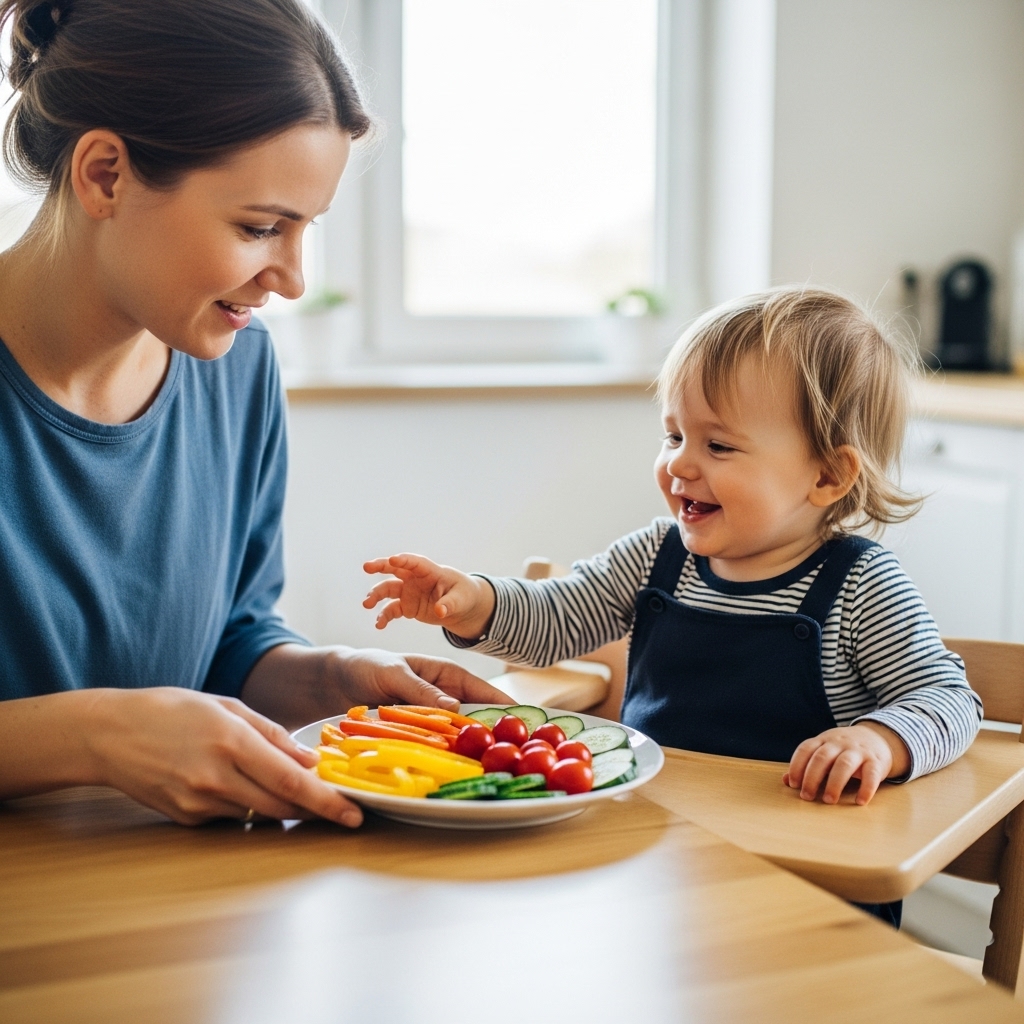
Toddlers feel safe with routine. Try having meals and snacks around the same times each day. Sit together when possible, offer food in small portions, and avoid grazing throughout the day since constant snacking reduces hunger at meals.
Use the “Safe Food + New Food” Method
Always include one familiar food your toddler usually accepts, plus one new or less preferred food. This reduces anxiety and increases the chances of trying something unfamiliar. Over time, repeated exposure helps toddlers expand their eating habits.
Keep Portions Toddler-Sized
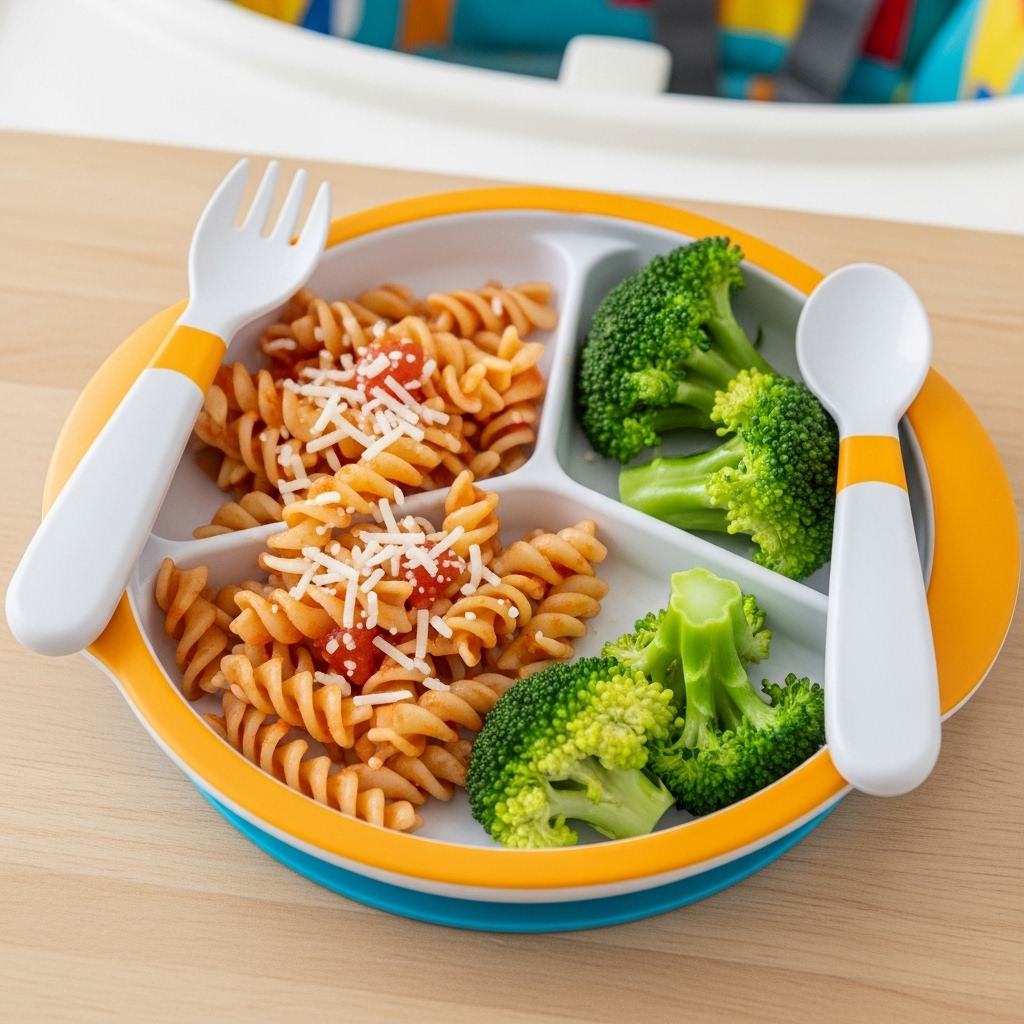
Large portions can overwhelm toddlers. Offer very small servings—just a few bites—so your toddler feels encouraged rather than pressured. They can always ask for more.
Avoid Short-Order Cooking
If you cook different meals for your toddler every time they refuse something, picky eating becomes stronger. Serve one meal for the whole family with small adjustments if needed, such as offering sauces on the side or cutting foods into smaller pieces.

Encourage Self-Feeding
Toddlers love independence. Let them use spoons, forks, or their hands to explore foods. Yes, it gets messy—but it helps them learn textures, improve motor skills, and enjoy mealtimes more.
Limit Distractions During Meals
Screens, toys, or walking around make it harder for toddlers to focus on eating. Aim for calm meals at the table, even if your toddler only sits for a few minutes. Over time, their ability to stay seated will improve.
Make Mealtime Positive
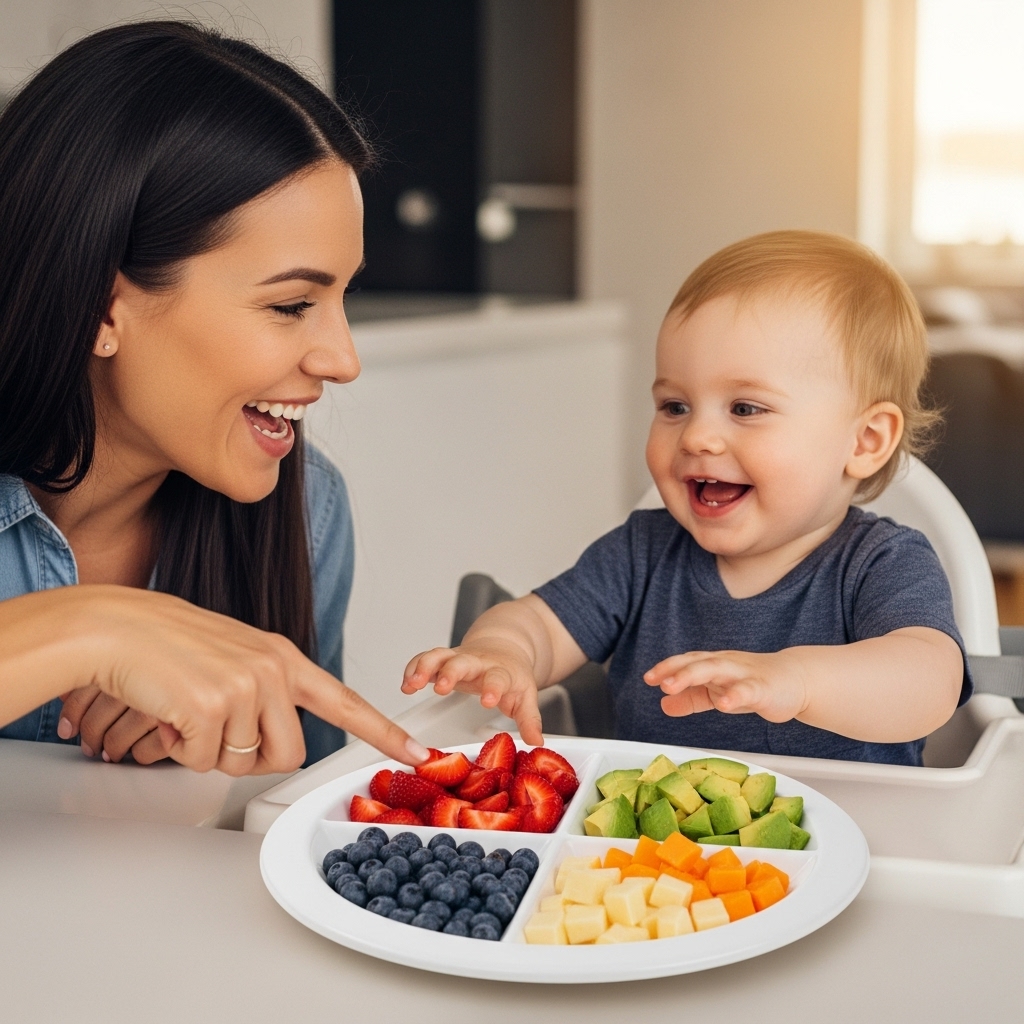
Talk about the food’s colors, shapes, and textures—not whether your toddler must eat it. Keeping the environment positive helps your child feel safe exploring new foods.
Final Thoughts
Toddler feeding doesn’t have to be a struggle. With patience, structure, and gentle encouragement, mealtimes can become calmer and more successful. Keep offering variety, remove pressure, and celebrate small wins—your toddler will learn to eat confidently and happily over time.