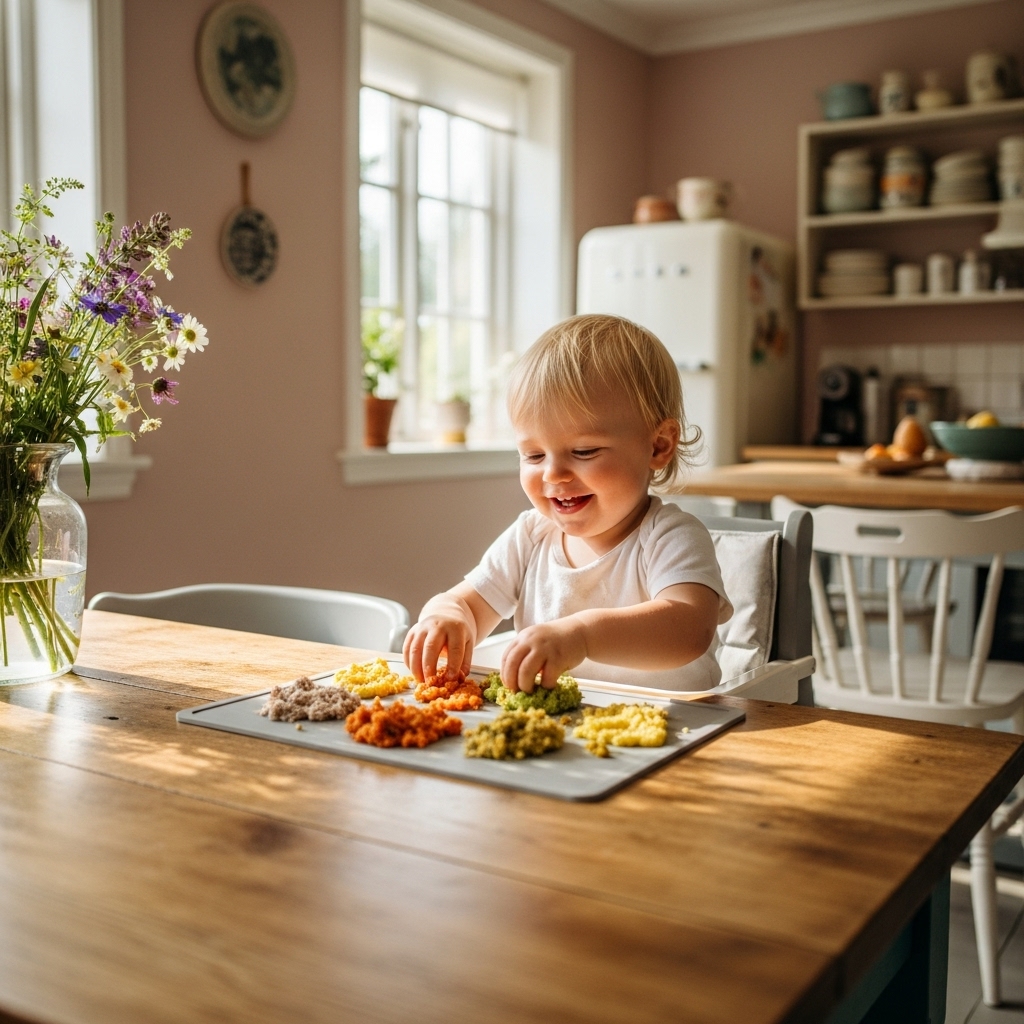

Toddler Feeding Help: Simple Strategies to Reduce Mealtime Stress and Raise Healthy Eaters
Feeding a toddler can feel like an Olympic sport—messy, unpredictable, and sometimes emotionally exhausting. One day they love bananas, the next day they act like you’re feeding them poison. The good news? This phase is normal, and with a few smart feeding strategies, mealtimes can become calmer, happier, and far less stressful. Here’s how to support healthy eating habits while keeping your sanity intact.
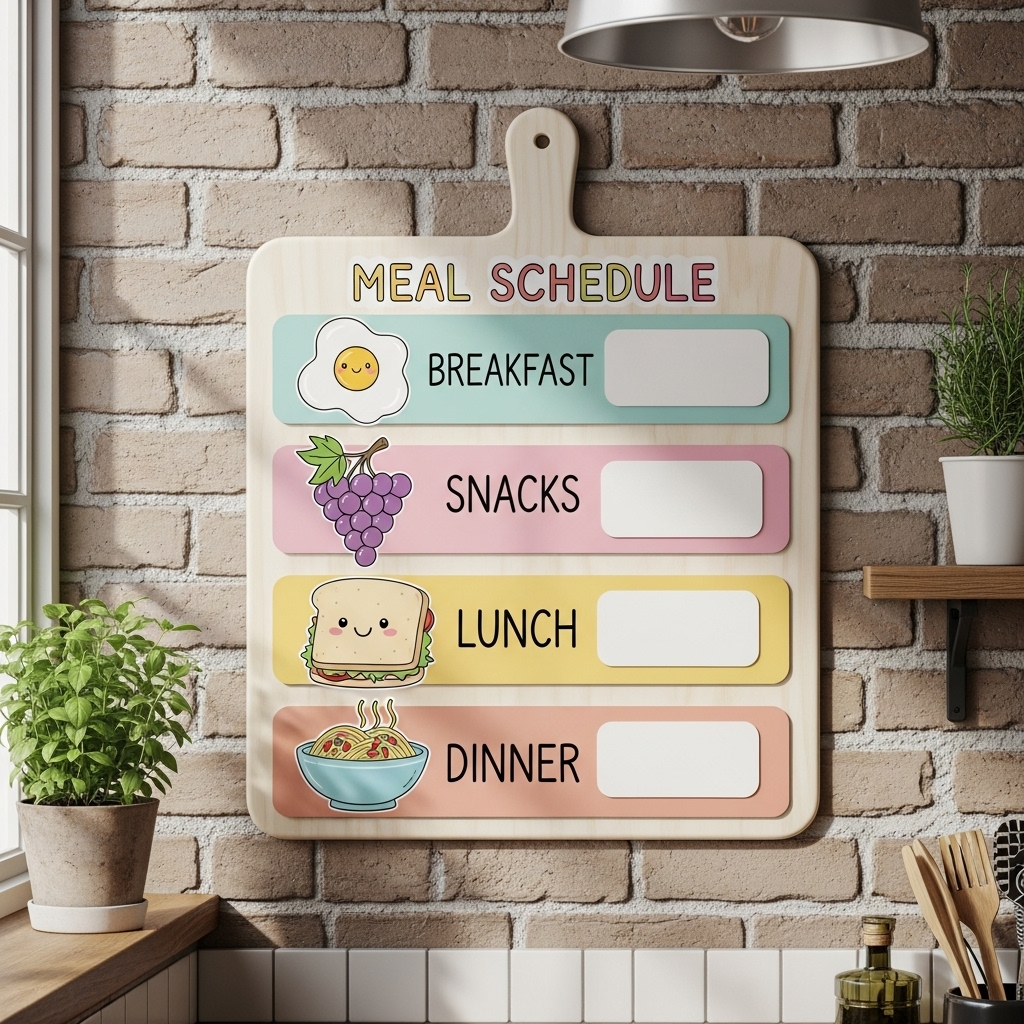
1. Stick to a Predictable Meal and Snack Schedule
Toddlers thrive on routine, and a consistent schedule helps them come to the table hungry—not overly hungry or already full from grazing. Aim for three meals and two to three snacks spaced 2–3 hours apart. When toddlers know what to expect, they’re more willing to try new foods.
2. Serve Tiny Portions to Reduce Overwhelm
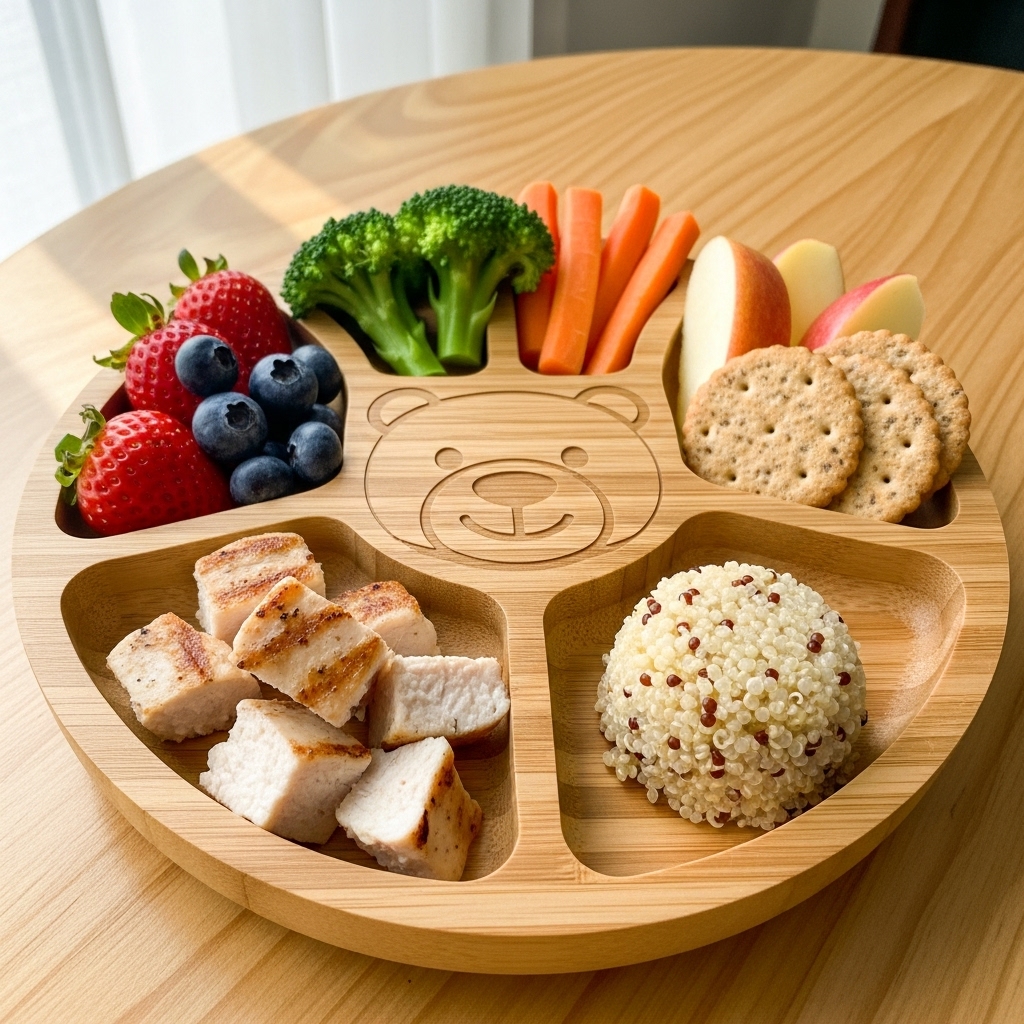
Toddlers often refuse food when the portion looks too big. Start with very small servings—about 1–2 tablespoons of each food. They can always ask for more. This small change reduces pressure and encourages curiosity.
3. Offer One “Safe Food” at Every Meal
A safe food is something your toddler reliably eats—like yogurt, berries, rice, bread, or noodles. Including one safe food alongside new foods creates security. It prevents meltdowns and encourages exploration without fear or frustration.
4. Don’t Pressure or Negotiate at the Table
Saying things like “Just one bite!” or “You can have dessert only if you eat your veggies!” creates food pressure, which usually backfires. Instead, follow the Division of Responsibility method:
You decide: what’s served, when, and where.
Your toddler decides: if they eat and how much.
This approach reduces power struggles and builds healthy long-term eating habits.
5. Make Mealtime Visual and Fun
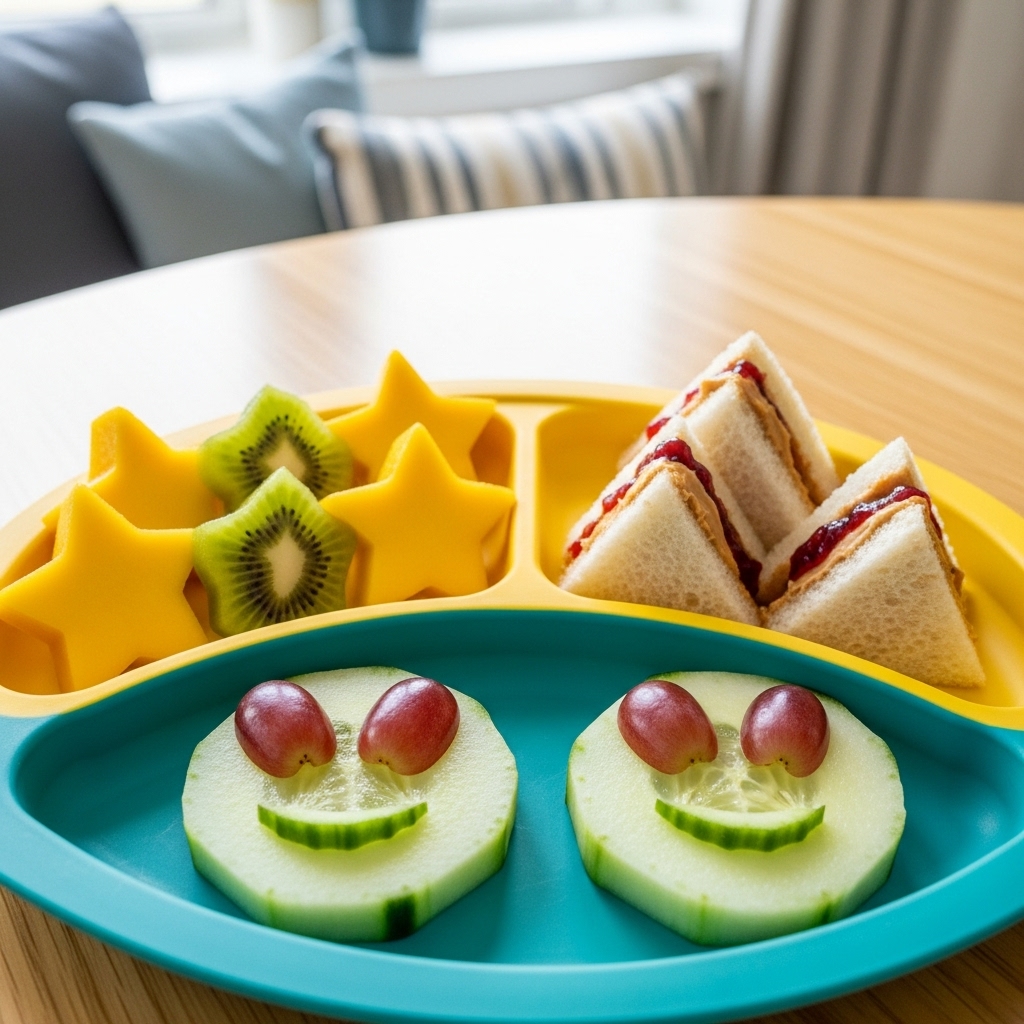
Toddlers often respond better to visuals. Present foods in fun shapes, colorful patterns, or arranged in sections. You can also add small touches like toothpicks, silicone cupcake liners, or dipping sauces to make meals feel playful.
6. Introduce New Foods Slowly and Repeatedly
Most toddlers need to see and taste a new food many times before they accept it—often 10–15 exposures. Keep offering new foods without pressure. Even a tiny taste, touch, or sniff counts as progress. The goal is familiarity, not perfection.
7. Use the “Family Style” Serving Method
Place small bowls of food on the table and let your toddler serve themselves (with help if needed). This gives them independence, boosts confidence, and makes them more willing to try unfamiliar foods. Family-style meals also create a relaxed, connected environment.

8. Limit Grazing Between Meals
Grazing fills toddlers up without offering balanced nutrition. If they eat snacks all day, they won’t come to meals hungry enough to try real foods. If your toddler constantly asks for snacks, offer water or redirect them to an activity until the next scheduled snack time.
9. Avoid Using Screens at the Table
Screens might help in the moment, but long-term they reduce awareness and create picky eating habits. When toddlers eat while watching something, they don’t learn hunger cues, textures, or tastes. Keep mealtime screen-free to support healthier habits and family connection.
10. Model the Eating Behavior You Want
Toddlers learn through imitation. If they see you eating vegetables, drinking water, and sitting calmly at meals, they’re more likely to copy your behavior. Try to eat together as much as possible—even if it’s just sharing a snack.
11. Reduce Mealtime Battles With Choice-Based Options
Offering two simple choices—like “banana or apple?” or “blue plate or green plate?”—helps toddlers feel in control. This reduces resistance and encourages cooperation at mealtimes without overwhelming them with too many options.
12. Keep a Calm Environment (Even When They Refuse Everything)
Toddlers read our energy. Staying calm during refusals or messy moments teaches them that food isn’t something to fight about. A peaceful table atmosphere encourages curiosity and reduces anxiety around food.